


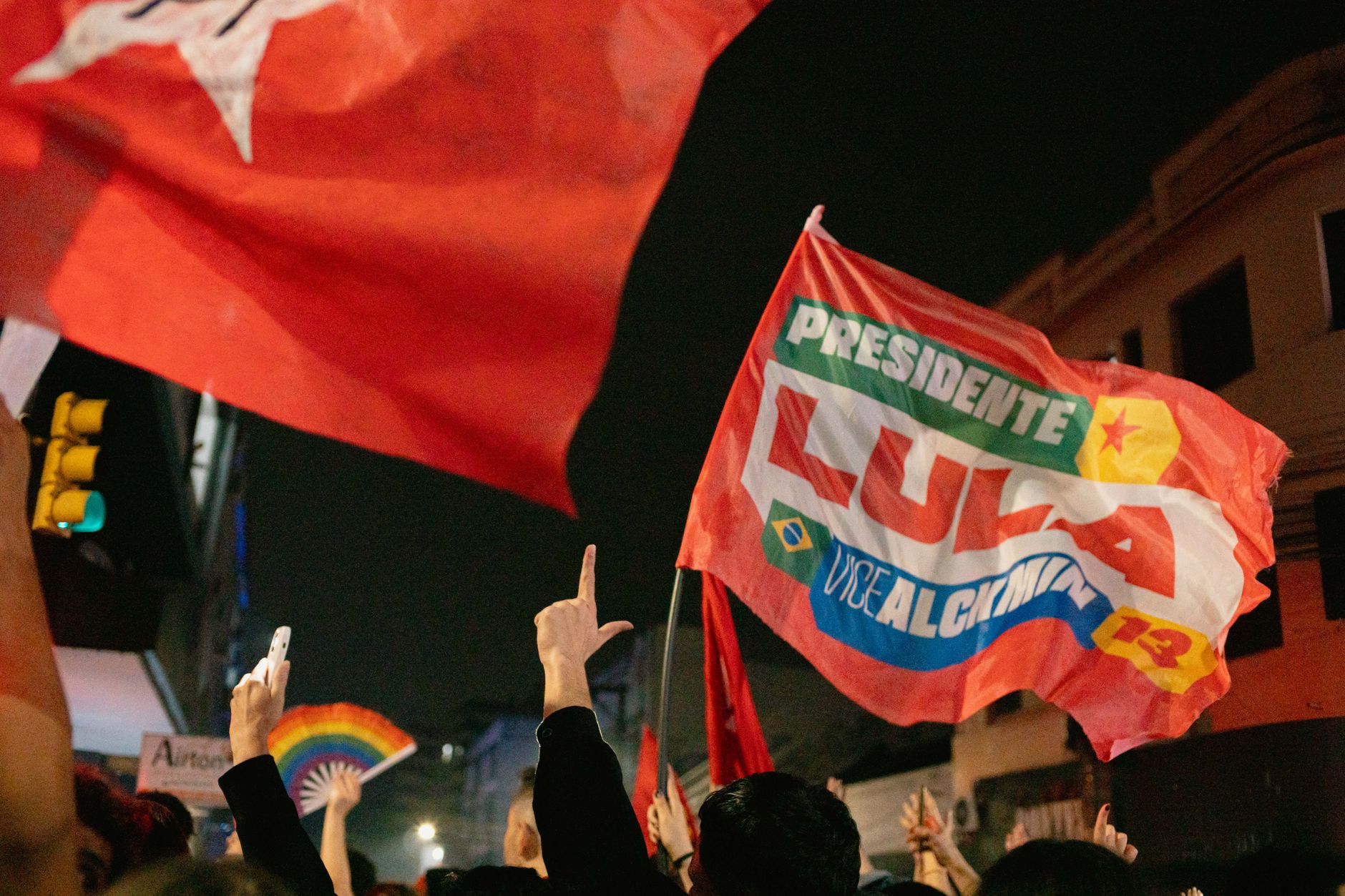
Following his successful re-election to the presidency, Luiz Inácio Lula da Silva has issued a strong declaration regarding Brazil's role on the international stage. Addressing supporters after the official results were announced, the incoming leader stated that the nation would no longer accept being treated as "no one's backyard." This rhetoric highlights his commitment to asserting Brazil's sovereign interests as he prepares to commence his new term.
The electoral process, which culminated in a victory for the 80-year-old president, saw him secure 51.8% of the total vote. Data released by Brazil’s electoral court confirmed that Lula achieved a lead of approximately 4.4 million votes over his primary opponent, Flávio Bolsonaro. This outcome concludes a campaign period marked by significant intensity, particularly concerning issues such as economic security and the cost of living.
In his speech, Lula framed the victory as a triumph for democratic processes and a rejection of what he described as "denialism and lies." Reflecting on the campaign trail, he mentioned the difficulties faced during televised debates. He also emphasized the importance of high voter turnout in safeguarding the nation's democracy, noting the active efforts made to convince the electorate of the significance of their participation in the voting process.
Looking ahead to his administration, the president signaled a major shift in the way the country is governed. He intends to implement changes that will foster greater public involvement in the government's decision-making processes. With a two-month transition period remaining before he officially assumes the full duties of the office, Lula stated his intent to engage with business leaders to discuss the economic path forward.
A notable aspect of the president's policy agenda involves the oversight of digital communications. During his victory address, Lula vowed to pursue the regulation of social media platforms. He specifically accused Meta of interfering in the Brazilian electoral process, characterizing his win as a success against foreign intervention conducted through digital channels.
Beyond structural and administrative reforms, the president addressed the social fabric of the country. He expressed gratitude toward the Brazilian public and made a pledge to govern for all citizens, emphasizing that his administration would be inclusive, regardless of an individual's religion or gender. This message was intended to signal a unifying approach following a highly polarized campaign cycle.
The election result has been noted for its potential impact on regional power dynamics. As a frequent critic of former United States President Donald Trump, Lula’s victory is viewed by many as a significant development for those who have voiced concerns regarding the expansion of United States influence across Latin America. His administration is expected to maintain a focus on defending national autonomy, a recurring theme that defined his victory speech.
Lula, who previously served as Brazil's leader from 2003 to 2010, now faces the challenge of addressing the domestic pressures that defined the 2026 election cycle. As he transitions into this new term, the focus remains on his ability to stabilize the economy and fulfill the promises of transparency and participation he extended to his supporters. The next few weeks are expected to be dedicated to administrative planning and discussions with various stakeholders in the Brazilian economy.








Comments