


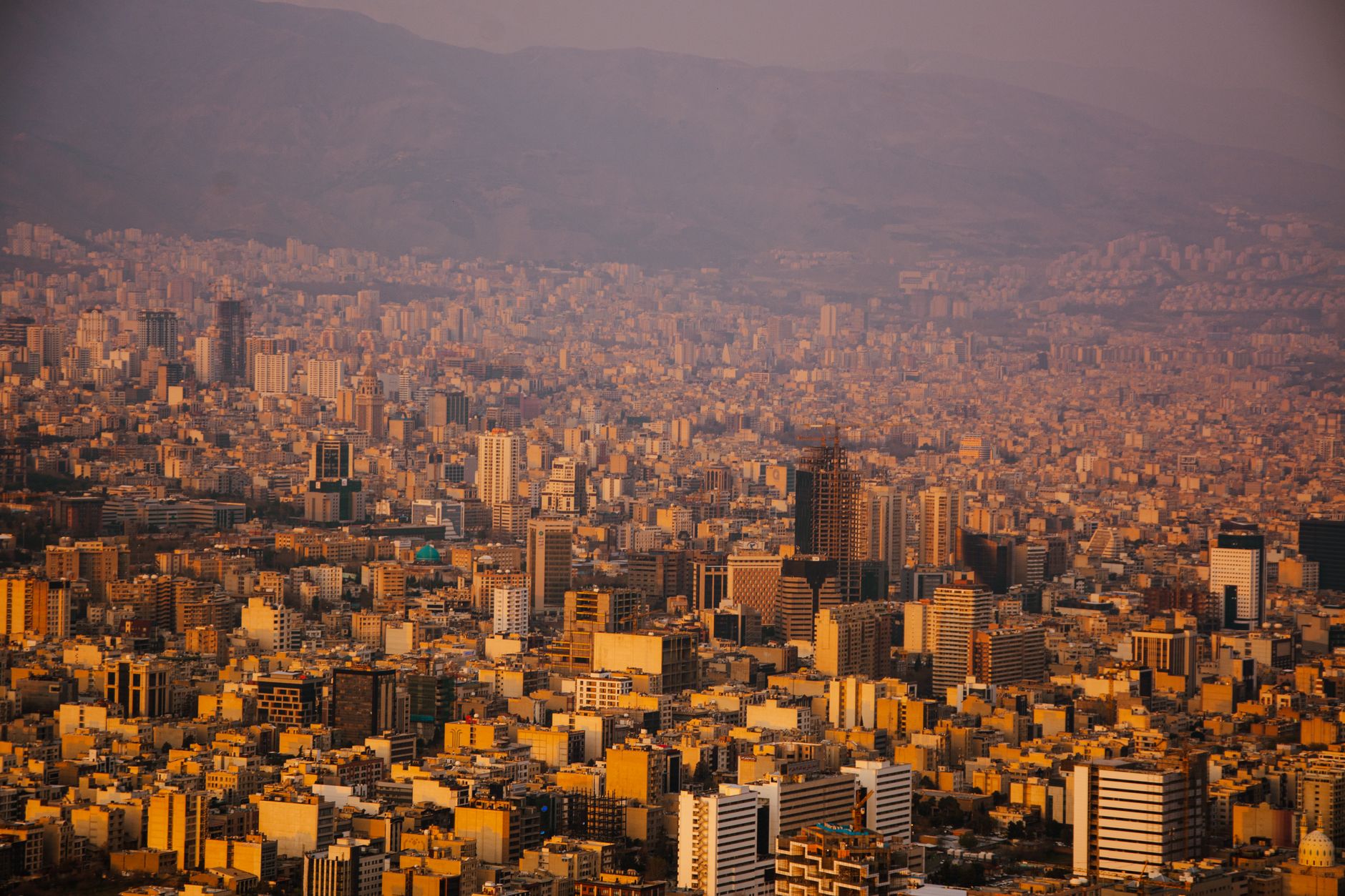
Residents across Tehran are increasingly anxious as threats of a return to full-scale conflict escalate between Iran, the United States, and Israel. With significant elections approaching in both the U.S. and Israel, citizens report growing fears that military hostilities could intensify in the coming days. The atmosphere in the capital remains tense, with many families taking proactive measures by stocking up on essential supplies, including medication and non-perishable food, in anticipation of potential further strikes.
The regional situation remains volatile, particularly as U.S. President Donald Trump has vowed to "finish the job" in Iran, following the deployment of a third aircraft carrier and thousands of troops to the area. Simultaneously, Israeli Prime Minister Benjamin Netanyahu has maintained a firm stance, publicly calling for the elimination of Iran's leadership. Amid these developments, some residents have already begun making preparations to relocate from the capital to what they perceive as safer regions in the country.
For many, the current anxiety is exacerbated by the economic instability that has gripped the nation since the war began in March. Skyrocketing inflation has seen the value of the Iranian rial reach record lows, drastically reducing the purchasing power of ordinary citizens. Middle-class households report that a single trip to the supermarket can consume up to half of a monthly salary, with the prices of essential staples such as rice and beef rising significantly—by 60% and 150% respectively since the start of hostilities.
Iranian leadership faces significant internal pressure as the government struggles to navigate these economic hardships and reconcile the factions within its power structure. President Masoud Pezeshkian has described the situation as a "dangerous turning point" for the Islamic Republic. Meanwhile, officials have accused the United States of orchestrating an "economic war" intended to foment civil unrest, citing the ongoing naval blockade of Iranian ports as a primary factor driving the current economic pain and medicine shortages.
Despite the severe pressure, experts suggest that Iran’s negotiating position remains largely unchanged. Sasan Karimi, a former government official and foreign policy professor at the University of Tehran, noted that the country’s leadership is operating on a strategy of resistance. According to Karimi, Iranian authorities are convinced that enduring the economic strain will eventually force the other side to alter its calculations, even as they plan for potential scenarios involving further U.S. strikes.
Military tensions have also extended to the Strait of Hormuz, which has seen an uptick in attacks on commercial vessels. Iran has warned that it could target new areas, including critical undersea data cables that traverse the strait. These warnings come after recent attempts at mediated negotiations reportedly failed, with the U.S. rejecting a proposal from Tehran that would have seen an end to the war and the opening of the strait in exchange for lifting the naval blockade.
As the potential for renewed conflict looms, the civilian toll remains at the forefront of public concern. Tehran still bears the physical scars of the conflict, with many buildings damaged by strikes during the height of the war earlier this year. For citizens like Hashem Vajdani, a 45-year-old gym trainer who has already packed his belongings to move north, the focus has shifted entirely toward survival and safety. As officials continue to trade threats, the populace remains caught in a precarious cycle of uncertainty and economic hardship.







Comments