


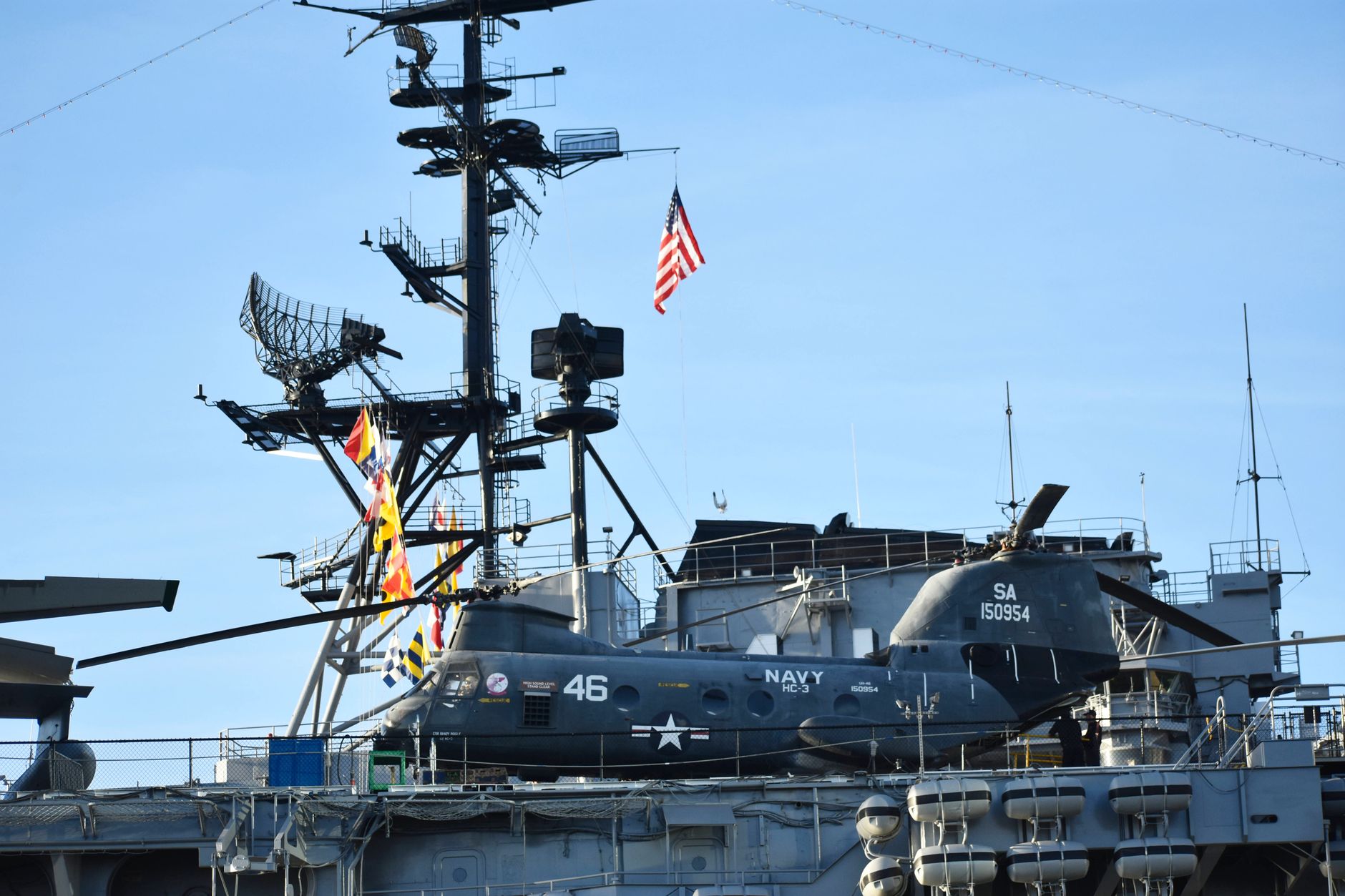
US President Donald Trump has signaled that American forces in the Middle East may resume military strikes against Iran following the upcoming US midterm elections scheduled for November 3. To facilitate potential operations, the administration has dispatched a third aircraft carrier strike group alongside 10,000 additional sailors and Marines to the Persian Gulf, providing regional commanders with expanded strategic options.
The buildup comes amid heightened activity in the region. Last week, US Defence Secretary Pete Hegseth conducted an unannounced visit to Israel to meet with Prime Minister Benjamin Netanyahu. This visit occurred shortly before the Israeli leader’s own re-election bid. Simultaneously, the US State Department has ordered the departure of certain diplomats and their families from Saudi Arabia, following a series of attacks by Iran-backed Houthi forces on Riyadh’s airport and energy infrastructure, which have resulted in numerous casualties.
Tehran is reportedly bracing for a potential renewed bombing campaign in the period between the November polls and the inauguration of the new US Congress in January. According to sources familiar with the Iranian government's perspective, the country is preparing for retaliation across West Asia, specifically targeting interests in Israel and the United Arab Emirates. There are also reports of increased aggression near the Strait of Hormuz, where maritime security officials have observed Iran deploying guided missiles to damage commercial shipping vessels.
Despite the threat of renewed hostilities, Iranian Foreign Minister Abbas Araghchi stated on Sunday that his country’s position remains firm. During a televised event in Tehran, Araghchi remarked that a resumption of conflict would not alter Iran's policies. “Recently, there has been talk of a new war, but I am already thinking about the post-war period. Whether there is war or not, our policies remain the same,” Araghchi said, adding that any attempt at military intervention would yield no different results than those seen in the past.
Regional officials in the Gulf states have expressed significant concern that violence may escalate beyond the levels seen prior to the recent ceasefire. Emirati officials, in particular, are reportedly worried about the potential for a severe expansion of the conflict. President Trump appeared to acknowledge the buildup during a recent press interaction, telling reporters, “We’ve knocked the hell out of them — and we may do it a little bit further.”
Analysts suggest that domestic political factors may be influencing the aggressive posture of both the American and Israeli leadership. Ali Vaez, a Middle East expert with the International Crisis Group, noted that both Trump and Netanyahu might view the prospect of conflict as a "political escape hatch." According to Vaez, such a strategy could be intended to project strength domestically, though he warned that relying on war to rescue political fortunes carries the risk of significant negative consequences for both leaders.
As the November 3 deadline approaches, the situation remains highly volatile. The combination of increased troop deployments, the expansion of Houthi-led attacks, and the firm rhetoric from Tehran suggests that the post-election window will be a period of intense diplomatic and military scrutiny for the Middle East.








Comments