


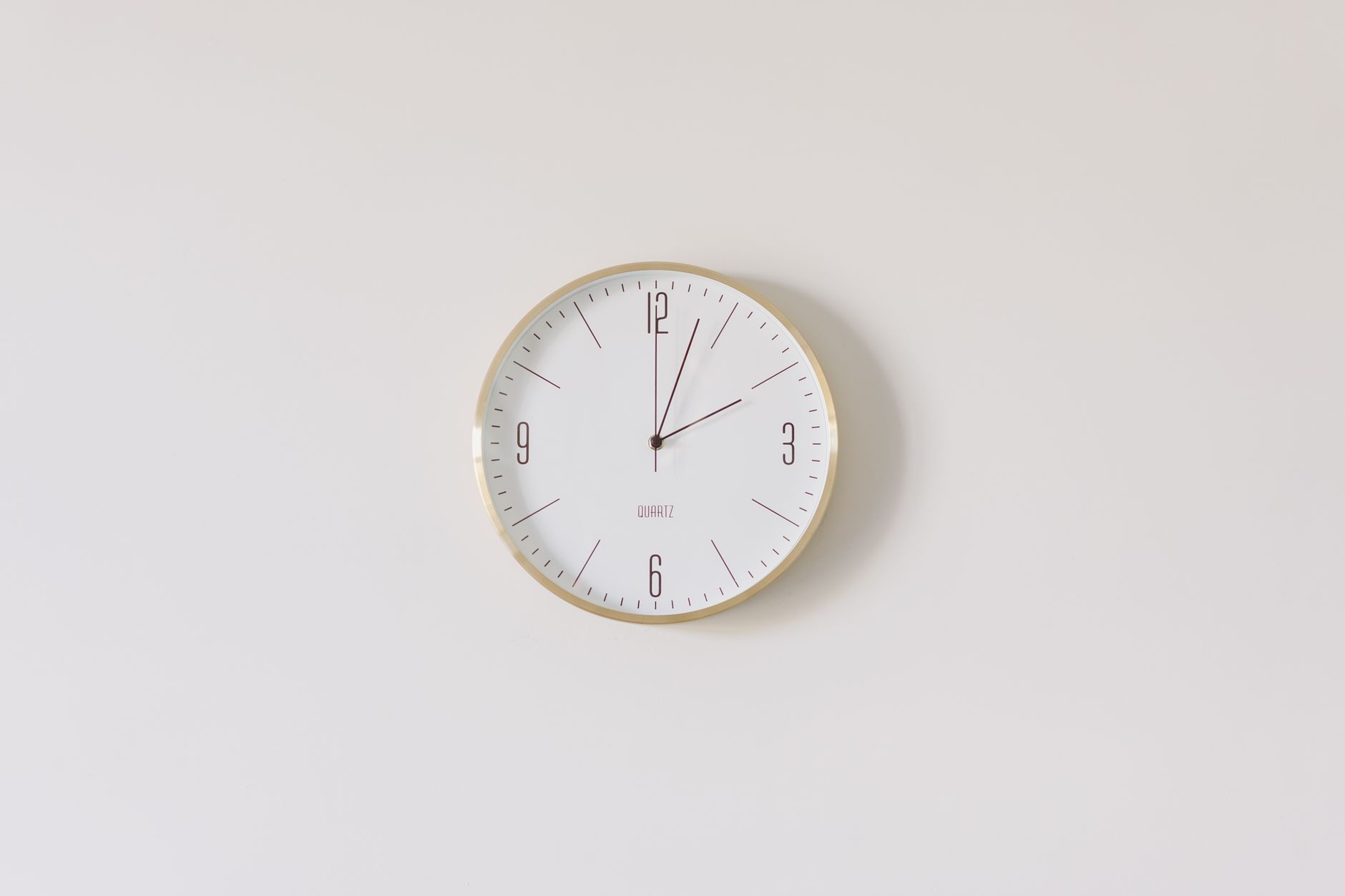
Americans across most of the United States are preparing to adjust their clocks as the country nears the end of daylight saving time. At 2 a.m. local time on Sunday, November 1, the official shift will occur, with clocks moving back by one hour to 1 a.m. This transition marks the end of the seasonal daylight saving period and the formal return to standard time, a practice that has historically been observed to optimize daylight hours as the winter months approach.
For the majority of the population, the end of daylight saving time is a familiar routine that results in earlier sunsets and more pronounced morning daylight. Beyond the shift in daily schedules, the change grants an extra hour of sleep. This particular calendar year holds a unique significance for the timing of the transition, as the clock adjustment coincides with the weekend of Halloween, effectively offering revelers an additional hour of time during the night between Saturday and Sunday.
Despite public interest in ending the twice-yearly clock changes, federal law remains unchanged for the time being. The legislative efforts to implement a permanent daylight saving schedule have faced significant hurdles in Washington. While the House of Representatives previously approved the Sunshine Protection Act—a bill designed to eliminate the biannual practice—the legislation remains stalled in the Senate. Lawmakers concluded their recent legislative session without advancing the proposal to the president’s desk, ensuring the current system remains in place for this year.
President Donald Trump has been a vocal proponent of ending the existing practice, frequently calling for the passage of the Sunshine Protection Act. Through public statements on social media, he has characterized the act of changing clocks twice a year as a stressful and costly endeavor that lacks broad public appeal. In his view, the preference for extended evening sunlight is clear, and he has urged the Senate to prioritize the shift toward a permanent daylight saving schedule.
The debate over time changes is not entirely universal across the nation, as several jurisdictions choose not to participate in the biannual adjustment. Standard time is observed year-round in Hawaii, most of Arizona—with the notable exception of the Navajo Nation—and several U.S. territories, including American Samoa, Guam, the Northern Mariana Islands, Puerto Rico, and the U.S. Virgin Islands. Residents in these locations will not be required to alter their clocks, as they remain exempt from the federal practice that impacts the rest of the country.
Under the current legal framework, the nation adheres to a schedule where daylight saving time begins on the second Sunday in March and concludes on the first Sunday in November. This structure has been a feature of federal law for years, and until Congress takes further action to pass the stalled legislation, citizens are expected to continue turning their clocks back every autumn. For now, the seasonal transition remains a fixed reality for the vast majority of Americans.
As the clock ticks toward the early hours of November 1, the nation will effectively bridge the gap between summer-leaning daylight hours and the onset of winter. The synchronization of this end date with the Halloween weekend serves as a notable exception, an occurrence that, according to the calendar, will not repeat until the year 2037. While political discourse continues regarding the future of national timekeeping, the mechanisms for the upcoming change remain firmly established in the current federal code.







Comments