


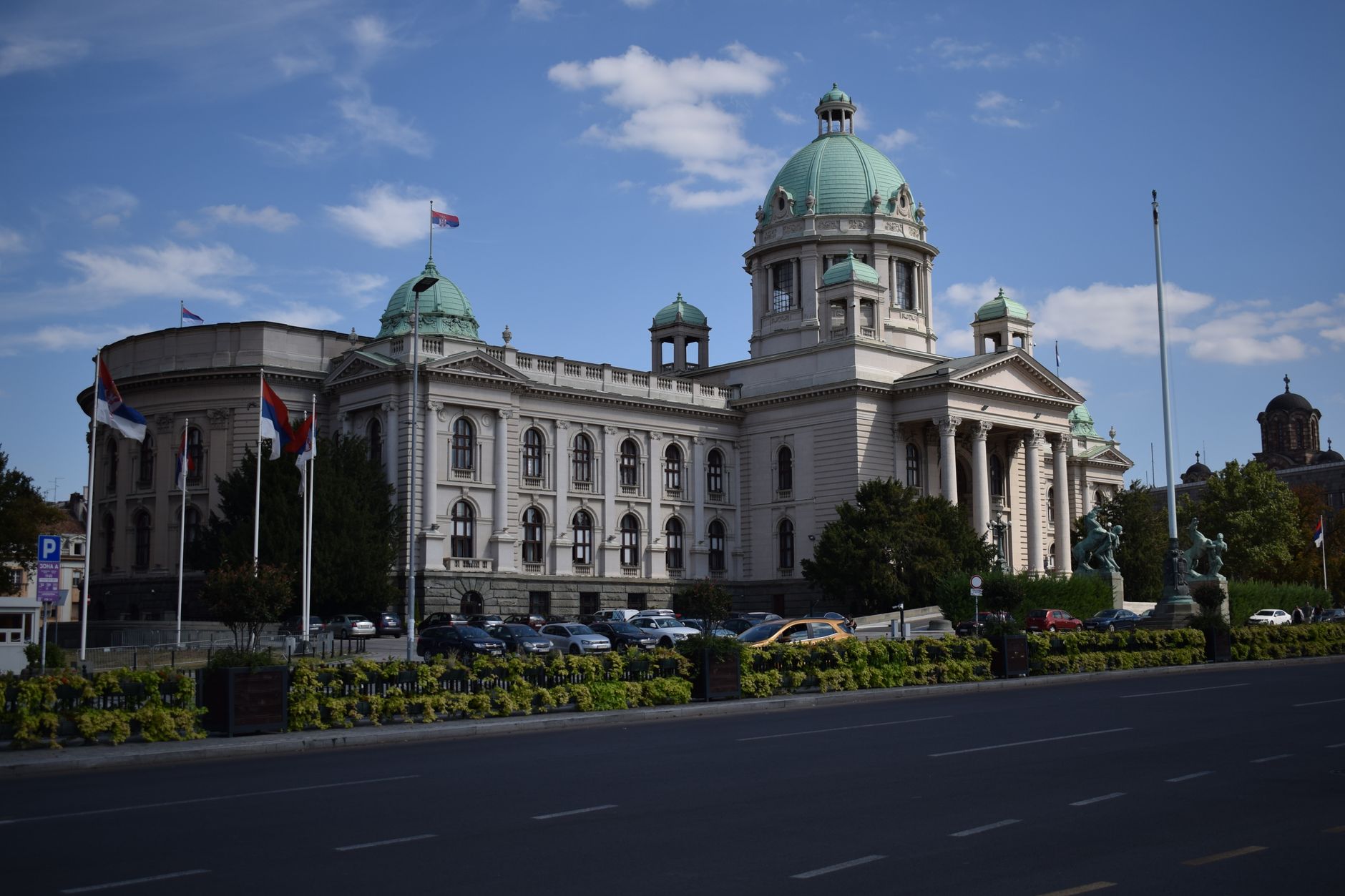
Citizens of Serbia are heading to the polls today in a significant parliamentary election that pits the nation's longtime populist leader, Aleksandar Vucic, against a burgeoning student-led protest movement. These snap elections, which were called by Vucic in September, represent the culmination of nearly two years of civil unrest across the Balkan nation, home to approximately 6 million people. The demonstrations were originally ignited by a tragic incident in 2024, when a train station canopy collapsed in the city of Novi Sad, resulting in the deaths of 16 people. The event served as a focal point for public anger over alleged government corruption and what protesters describe as creeping authoritarianism.
Aleksandar Vucic has dominated the Serbian political landscape for more than a decade, serving as both prime minister and president. In a tactical move ahead of this election, he resigned from the presidency in September to run once again for the position of prime minister. His campaign has focused on his record of economic modernisation, with the incumbent promising further investments in state healthcare, increased public sector salaries, higher pensions, and subsidies for young couples. Throughout his tenure, Vucic has sought to balance Serbia's traditional ties with Russia, its primary natural gas supplier, and growing economic relations with China, while simultaneously maintaining a diplomatic posture toward European Union membership.
On the opposing side of the ballot, the Student List movement has emerged as a formidable challenger. Their political agenda is primarily centered on systemic reforms, with a specific focus on eradicating corruption and improving the quality of the nation's schooling system. The movement's list of 250 candidates consists of individuals who are largely unfamiliar to the national political scene, including farmers, actors, and university professors. The roster is led by cardiologist Ilija Srdanovic. Notably, the group has remained relatively quiet regarding their specific international ambitions, preferring instead to highlight domestic grievances.
The current political atmosphere has been marked by accusations and counter-accusations. While student leaders and various rights groups claim that government repression has intensified in the wake of the 2024 train station disaster, Vucic has consistently denied these allegations. He has dismissed claims of spying on opponents and corruption, instead asserting that the student movement is backed by foreign interests from neighboring Montenegro and Croatia. The student activists have flatly denied these accusations of foreign funding.
The electoral contest is being described as a potential watershed moment for the country. Analysts note that a defeat for Vucic would signify a profound shift in the regional political climate. Recent polling data underscores the volatility of the race. An Ipsos poll published just days before the vote suggested Vucic’s Serbian Progressive Party held 47 percent support compared to 40 percent for the students, though other surveys have occasionally placed the student movement in the lead. This uncertainty follows a massive show of force by the protesters, who saw approximately 150,000 supporters gather in central Belgrade as recently as Thursday.
The outcome of this vote is expected to have significant implications for Serbia’s international standing. While Vucic has been credited by many voters for pulling the country out of economic obscurity, the European Union has grown increasingly critical of his administration. The bloc has expressed growing frustration over the slow pace of necessary reforms, particularly concerning the rule of law, the integrity of the judiciary, and the government's approach to corruption. As voters cast their ballots today, the results will likely determine whether the country continues its current trajectory or pivots toward a new political direction under the guidance of the student movement.








Comments