


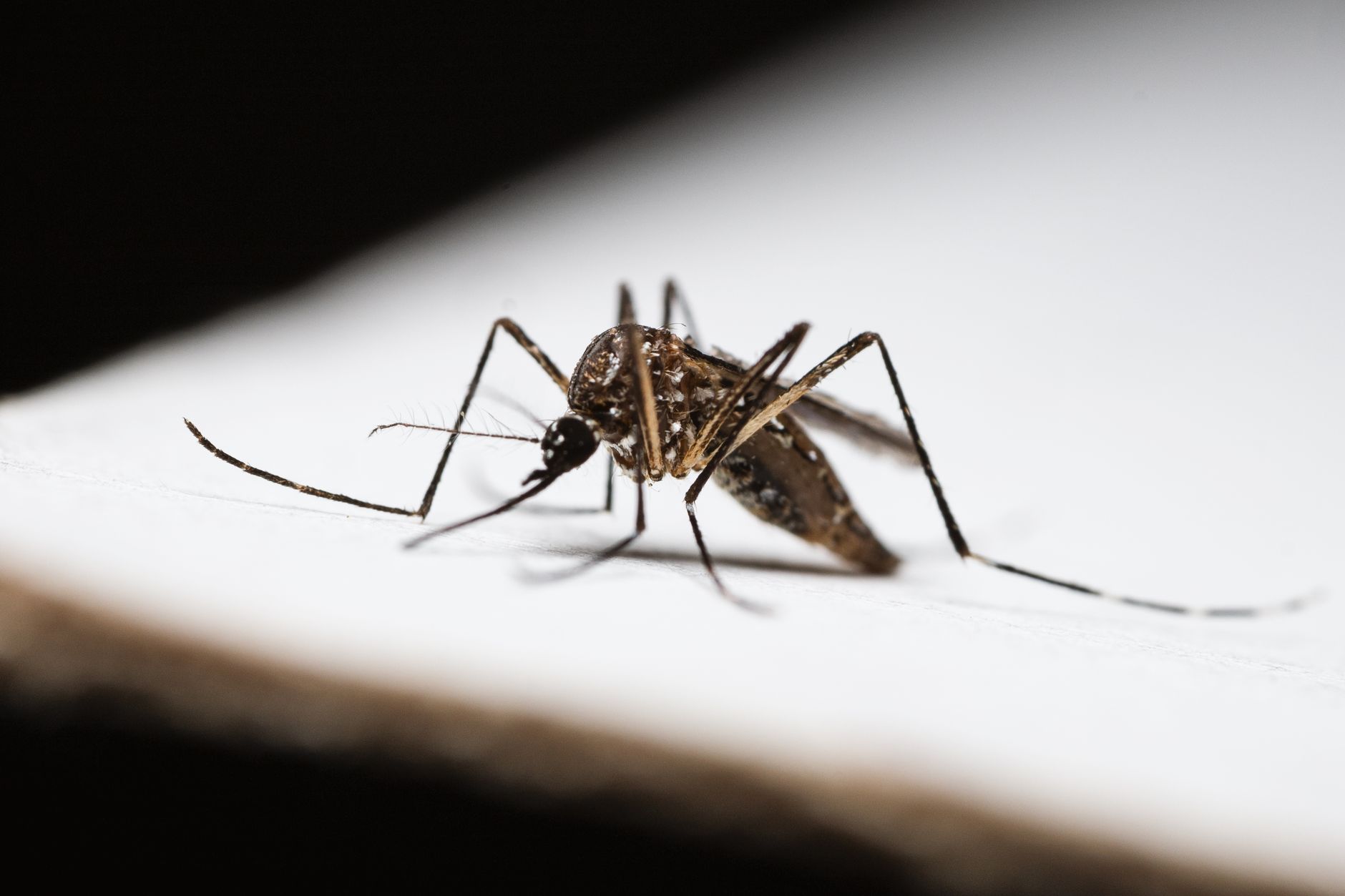
Following the suspected dengue-related death of an eight-year-old child in the Lohegaon area of Pune, Municipal Commissioner Naval Kishore Ram conducted a formal review of the city’s health preparedness on Saturday. The inspection, held at Dr. Naidu Hospital in Baner, focused on evaluating current dengue caseloads, ensuring hospital bed availability, and assessing the effectiveness of ongoing preventive measures implemented by the Pune Municipal Corporation (PMC).
Addressing the situation, Commissioner Ram appealed to the public to avoid panic while urging citizens to seek medical attention promptly should they notice any symptoms associated with the mosquito-borne illness. According to a press note released by the civic body, the city has recorded 2,291 cases of dengue between January and October 20 of this year. Officials identified several factors contributing to the spike in cases, including shifting weather patterns, increased construction activity, and water storage practices necessitated by supply cuts, alongside stagnant water in domestic plant containers.
To assist in early diagnosis, the PMC has made rapid diagnostic kits available free of charge at all municipal dispensaries. Furthermore, residents can access free confirmatory testing at Dr. Naidu Hospital, Dr. Kotnis Hospital, and Kamala Nehru Hospital. Regarding treatment infrastructure, the PMC reported that private hospitals across Pune currently offer 4,409 beds, including 670 intensive care unit (ICU) spaces. Municipal facilities provide 333 beds, with six ICU beds allocated for critical care. Dr. Naidu Hospital has specifically reserved 50 beds for dengue patients, of which 35 were reported vacant at the time of the Commissioner’s review.
The municipal administration has launched a multi-departmental strategy to control the disease. Commissioner Ram has directed the Health, Building, Encroachment, and Solid Waste Management departments to coordinate efforts, focusing primarily on construction sites, waste disposal depots, and encroached areas where stagnant water often facilitates mosquito breeding. As part of these efforts, civic teams have already inspected approximately 14 lakh homes and scrutinized over 2.8 million water-storage containers.
Data provided by the PMC indicates that Aedes mosquito larvae were discovered in 18,885 containers across 13,000 homes. Consequently, the civic body has issued notices to 2,664 property owners and collected fines totaling Rs 6.3 lakh. These enforcement actions are part of a broader campaign that includes intensified fogging in high-risk zones and increased public awareness initiatives conducted through local schools, radio broadcasts, and announcements via garbage collection vehicles.
Looking ahead, the municipal authorities have requested continued cooperation from the public to help manage the outbreak. Citizens are advised to keep water tanks securely covered, prevent the accumulation of water in any open containers, and strictly observe a weekly "dry day" to disrupt the mosquito life cycle. The PMC maintains that these collective efforts are essential to reducing the incidence of the disease as the city moves through the current health crisis.








Comments