


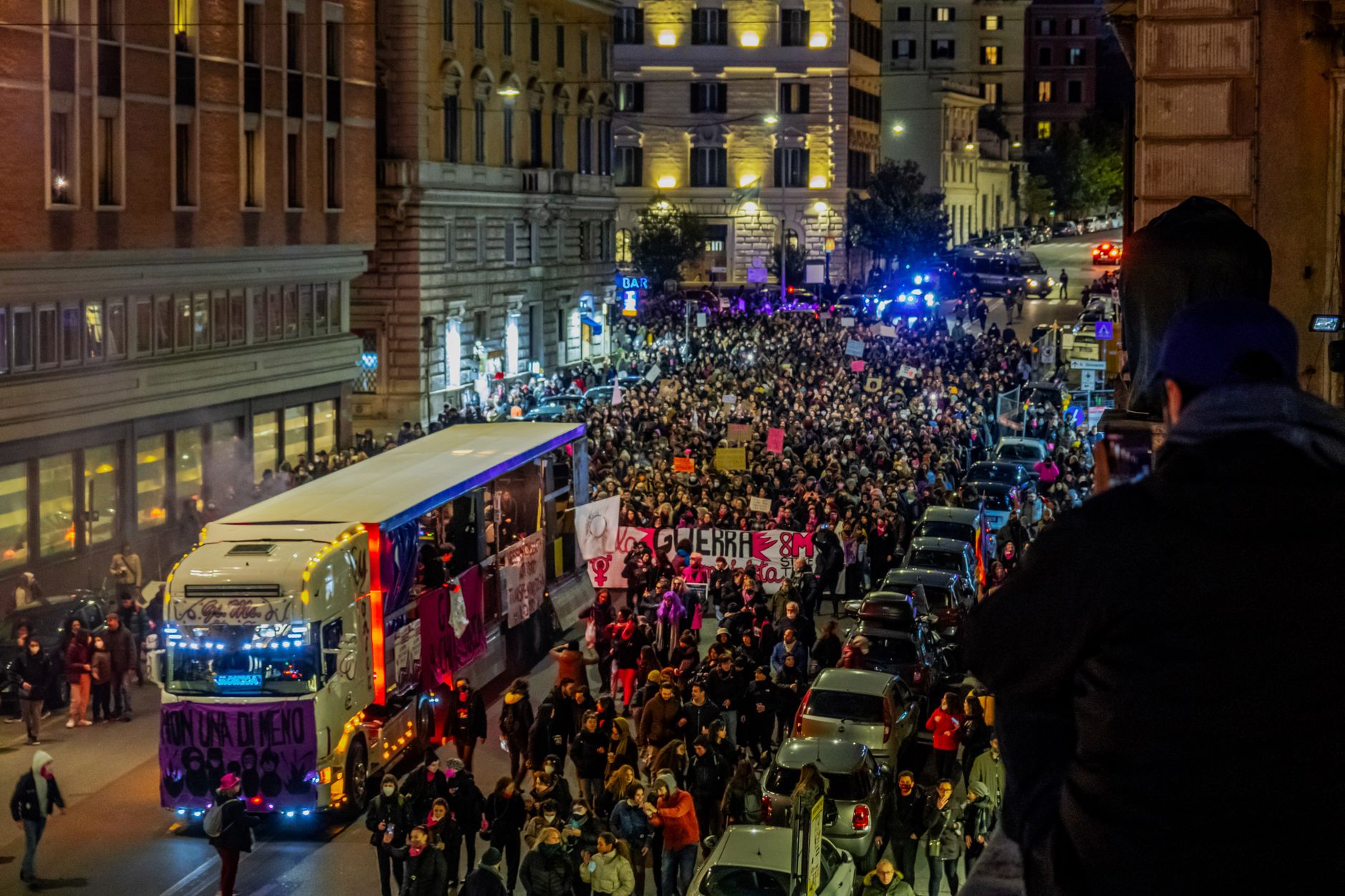
Massive protests erupted across France on Saturday as over 400,000 demonstrators took to the streets to voice their opposition to the rising cost of living and systemic underfunding in public schools. The nationwide unrest, which intensified pressure on President Emmanuel Macron's administration, saw violent confrontations between protesters and security forces in major urban centres, including Paris, Lyon, Marseille, Strasbourg, and Clermont-Ferrand.
The situation in the French capital escalated from a peaceful procession into violent rioting when thousands of demonstrators reached the Porte de Vincennes. Security forces were forced to deploy armoured water cannons and fire tear gas to disperse crowds as some protesters threw cobblestones and other projectiles at police. Authorities reported instances of shopfronts being looted and windows smashed, raising significant concerns following previous weeks of rioting that had already caused damage to more than 3,000 businesses across the country.
In response to the widespread instability, Interior Minister Laurent Nuñez ordered the deployment of 70,000 police officers and security personnel, backed by helicopters and armoured vehicles. Security was significantly tightened around prominent Parisian landmarks, such as the Arc de Triomphe. Several major cultural institutions, including the Louvre and the Orsay museums, alongside the Art Basel fair, remained closed for the weekend as officials moved to secure key locations from further damage.
According to the interior ministry, nearly 1,000 people were arrested across the country during the Saturday demonstrations, a figure officials warned could rise as investigations continue. The Paris prosecutor’s office confirmed that 64 individuals were arrested in the capital, with 40 people—including six minors—placed in police custody. Most of these arrests were linked to suspected weapons offences or participation in groups intending to commit violence and property damage.
The roots of the movement trace back to last month, following reports of chronic staff shortages at a high school southeast of Paris. The grievances have since evolved into a broader campaign involving students, teachers, and trade unions. Government data underscores the severity of the educational crisis, revealing that public middle and high schools lost 15.4 million teaching hours during the 2024-25 school year due to unreplaced staff absences, leaving 7.5% of scheduled classes undelivered.
Beyond education, economic frustration remains a primary driver of the unrest. Inflation reached 3.1% in September, with energy prices surging by 21.3% compared to the previous year. Students are specifically calling for the creation of 250,000 additional higher education spots, reforms to the Parcoursup university admissions system, a rent freeze on public student accommodation, and a monthly increase of 200 euros in student grants. Demonstrators argue that these measures are essential to addressing deep-seated inequality and the lack of opportunities facing the younger generation.
While official figures from the interior ministry estimated the national turnout at 410,000, the CGT trade union placed the number significantly higher, at nearly 800,000. As the government faces sustained pressure, the protests continue to highlight a growing disconnect between state policies and the economic realities faced by many French households, who warn that inadequate public services are having long-term consequences for the nation.








Comments