


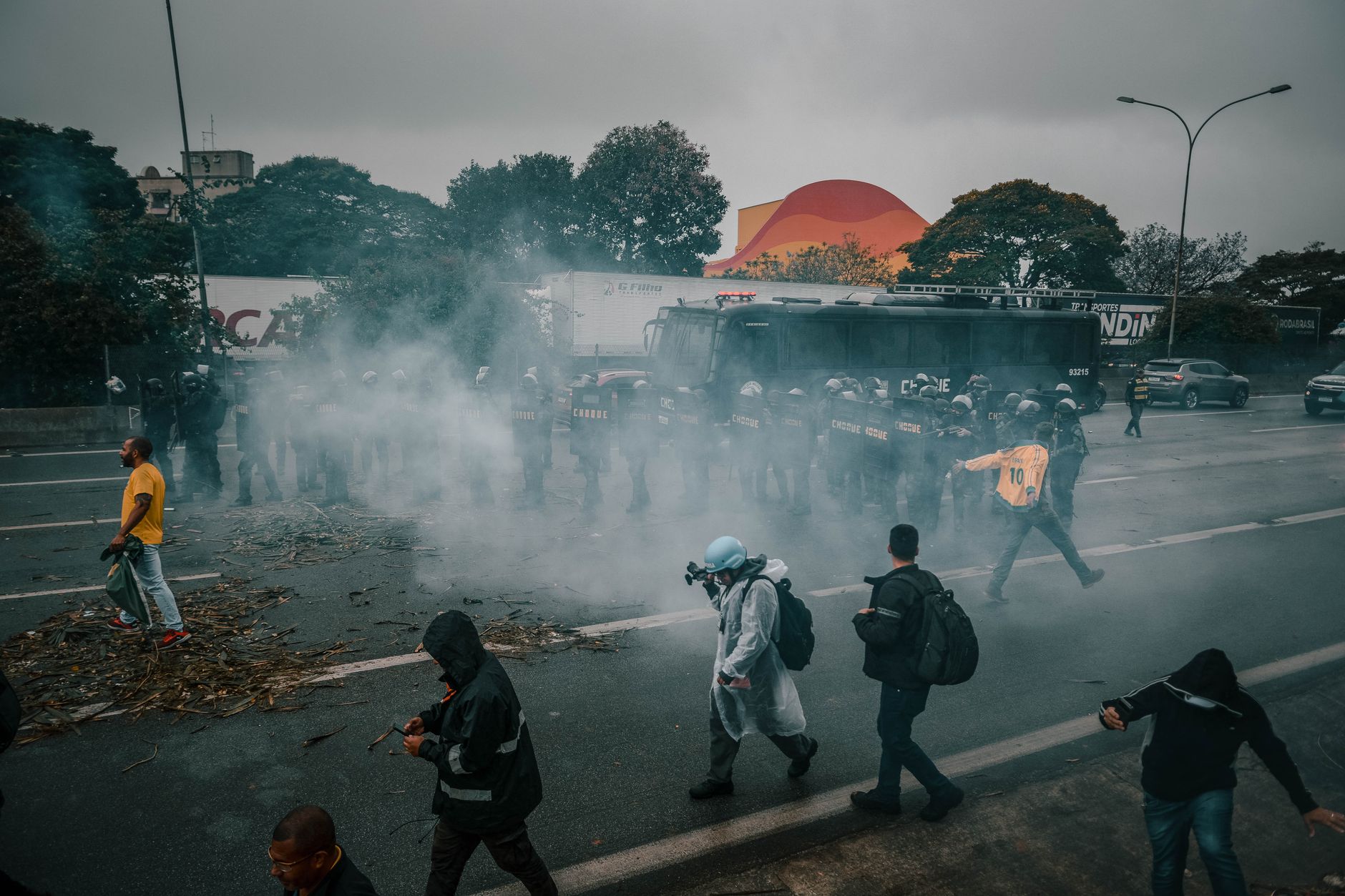
Protesters in Albania have engaged in violent confrontations with police, marking the 12th consecutive day of anti-government demonstrations that have gripped the nation. The ongoing unrest, which has seen citizens take to the streets to express their opposition to the current administration, escalated into running battles as security forces attempted to manage the crowds. The intensity of these clashes has raised concerns about the stability of the country as the standoff between the public and government authorities continues.
For nearly two weeks, demonstrators have gathered in various parts of the country to voice their grievances. What began as peaceful expressions of dissent have increasingly turned into physical confrontations, with police deploying methods to disperse the crowds and protesters resisting the authorities. The persistence of these gatherings underscores a deep-seated frustration among segments of the population, leading to a sustained challenge to the status quo in Albania.
The role of security forces has come under scrutiny as the government attempts to maintain order amid the prolonged demonstrations. Police interventions have been a regular feature of the protests, contributing to the escalation that has been observed in recent days. While the authorities claim they are acting to ensure public safety and restore calm to the streets, protesters argue that their actions are necessary to draw attention to their political demands and grievances against the state leadership.
International observers and local analysts are monitoring the situation closely to determine the potential long-term impact on the country's governance. The sustained nature of the protests indicates that a significant portion of the public is not easily swayed by current government policies or official messaging. With the demonstrations entering their second week, there is little sign that the resolve of the protesters is diminishing, and the potential for further conflict remains high.
The background to these events lies in long-standing political tensions within Albania. The current administration has faced criticism over various policy decisions and governance concerns, which have served as catalysts for the recent surge in public anger. While specific demands from the protest groups vary, the overarching theme of the movement is a call for significant changes to the way the country is being managed. These protests are a manifestation of the underlying social and political pressures that have been building within the nation for some time.
As the conflict enters this new phase, the question of how the government will respond becomes critical. Options range from increased security measures to attempts at dialogue, though neither approach has yet successfully quelled the unrest. The administration remains under pressure to address the demands of the protesters, yet it also faces the challenge of managing the disruption caused by the nearly two-week-long standoff. The path forward remains uncertain, as neither side appears willing to back down.
Observers suggest that the coming days will be vital in determining the trajectory of the movement. If the protests continue at their current intensity, it could lead to further disruptions in daily life and pose a significant test for the country's law enforcement agencies. Conversely, any potential for de-escalation would likely require a meaningful shift in the political landscape or a substantive response from the government to the concerns raised by the citizens currently on the streets.








Comments