


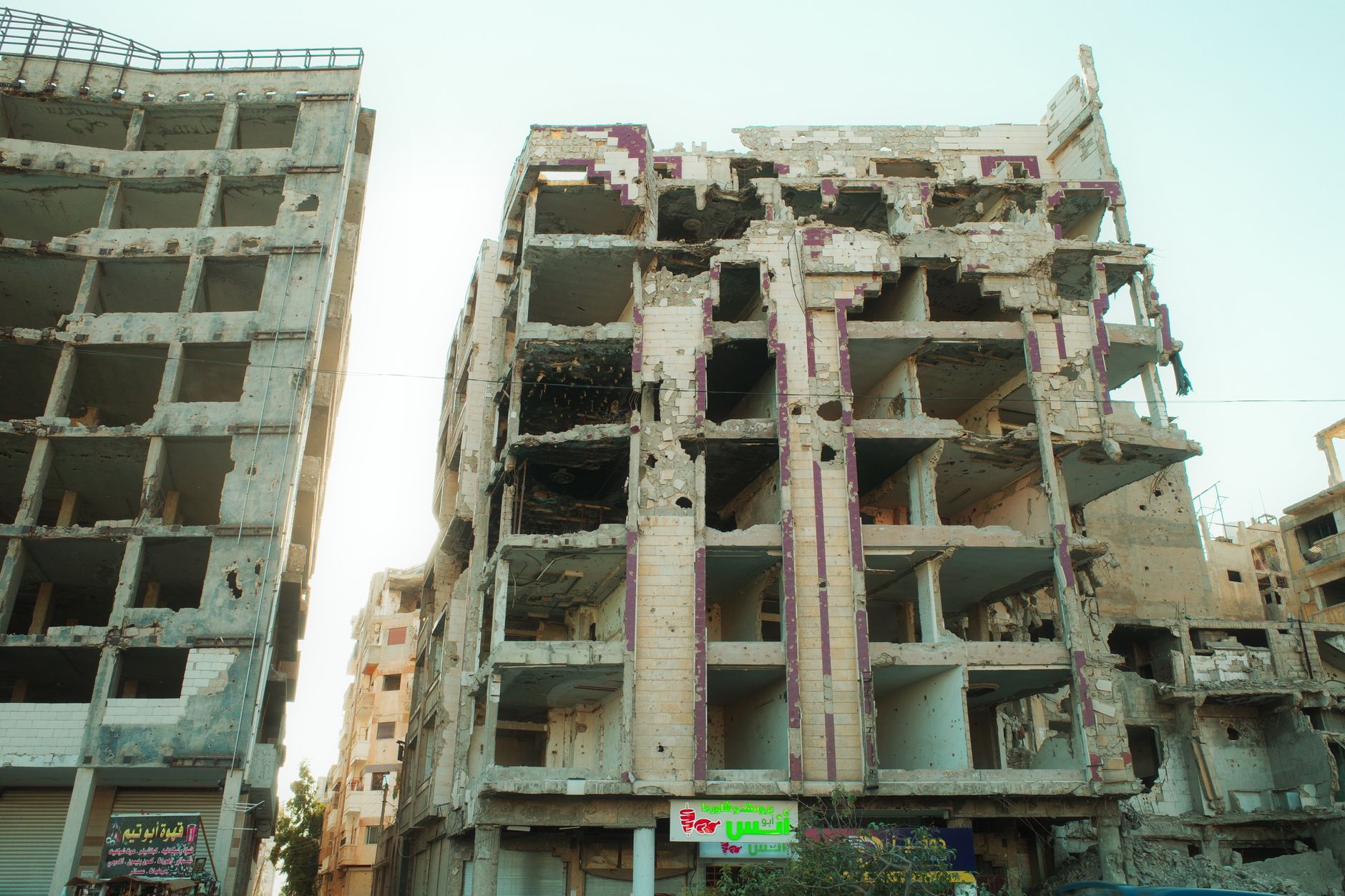
At least 11 civilians were reported killed in the Yemeni capital of Sanaa on Saturday following a series of airstrikes conducted by the Saudi-led coalition. The military action arrived shortly after the coalition announced the successful interception of two missiles targeting cities within Saudi Arabia. The incident marks a significant intensification of hostilities in a conflict that has been revitalized amid the broader regional instability affecting the Middle East.
According to reports from the Houthi-affiliated Al-Masirah news outlet, the airstrikes specifically targeted residential areas. One attack on a house in Sanaa resulted in at least four deaths and multiple injuries. A subsequent strike hit a building housing cement factory workers in the surrounding Sanaa governorate, causing the deaths of six women and one child, while wounding three other individuals.
These developments followed an announcement by the Saudi-led coalition regarding two missiles launched by the Houthis directed at the Saudi cities of Taif and Yanbu. In response, Riyadh’s civil defense agency issued urgent warnings to residents across four western regions, including the holy city of Mecca, advising them to seek shelter. While these alerts were rescinded shortly afterward, the agency reiterated legal prohibitions against the circulation of images or information concerning the interception of missiles and drones.
Yemen’s civil war, which involves the Iran-backed Houthi movement pitted against the Saudi-supported and internationally recognized government, had seen a period of relative dormancy following a ceasefire established in 2022. However, the conflict reignited in July, contributing to a volatile regional climate. The recent uptick in activity has seen the Houthis target Saudi Arabia’s critical infrastructure, including oil facilities and airports.
Yanbu, one of the primary targets mentioned in the recent missile alerts, serves as a vital oil export hub on the Red Sea coast. The facility has been instrumental in allowing Riyadh to maintain crude exports by bypassing the Strait of Hormuz, where Iran has previously threatened to impose blockades. The frequency of these attacks has prompted international concern, with the United States recently ordering the departure of non-essential embassy staff and their families from Saudi Arabia, citing the persistent Houthi threat.
The current cycle of violence has deep roots, tracing back to 2015 when the Saudi-led coalition first intervened in Yemen. The decade-long conflict has led to one of the world's most severe humanitarian crises. The situation has been further complicated by the Houthis' recent military gains, including their control over the entire Red Sea coast following a rapid offensive last month.
As the regional landscape continues to shift, international stakeholders are weighing their options. Egypt has proposed the deployment of troops to bolster Saudi defenses, while both Britain and France have indicated a willingness to provide military forces to assist in the protection of the Gulf kingdom. The continued disruption to global oil markets and the worsening humanitarian conditions remain primary concerns for the international community as the threat of further escalation persists.








Comments