


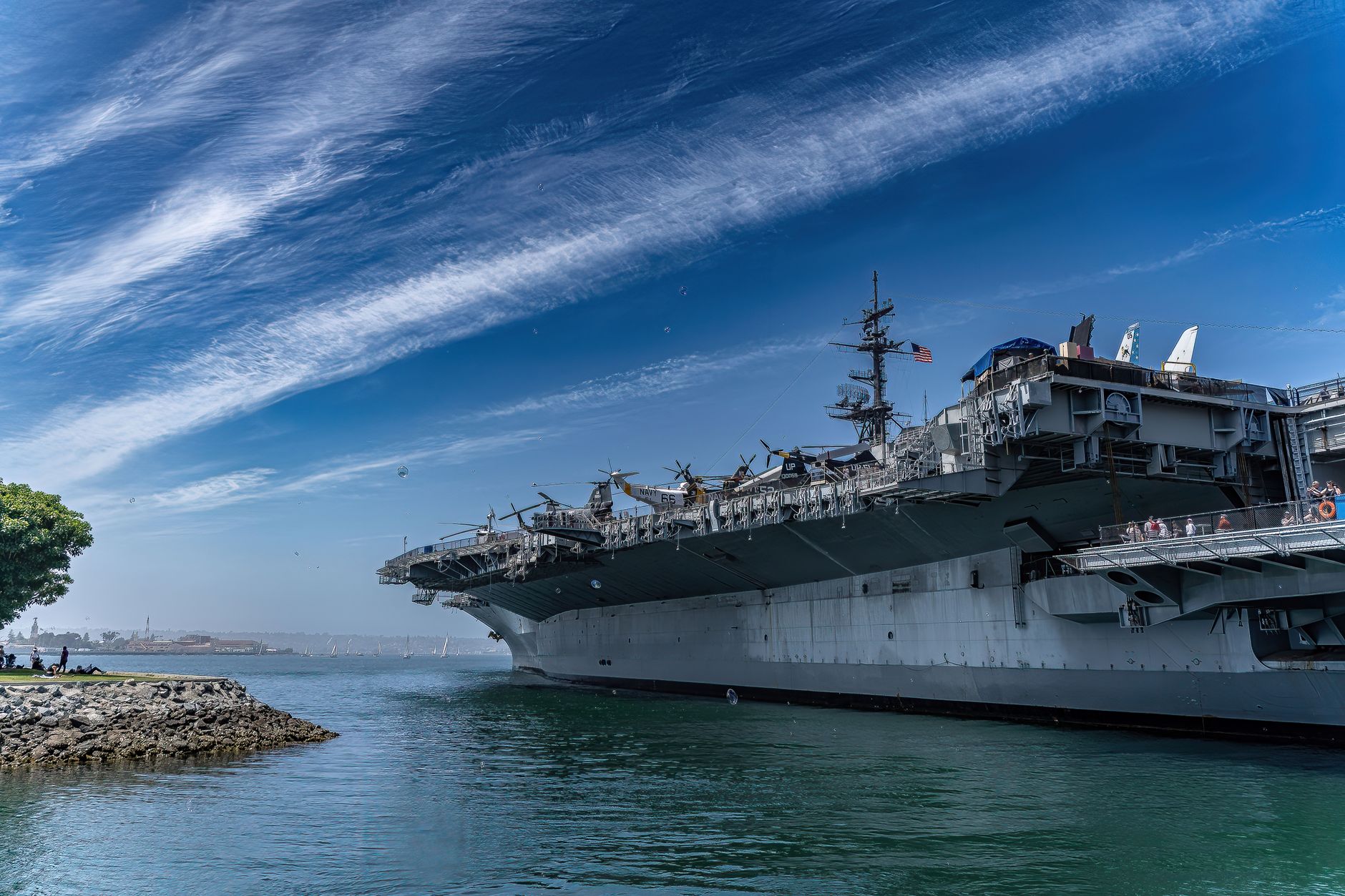
Iran’s armed forces have issued a stern warning to the United States, stating that they are fully prepared to fire upon American warships if they venture near the country's maritime borders. The declaration from Ali Abdollahi, the chief of general staff of the Iranian armed forces, follows remarks by US President Donald Trump, who suggested that Washington is still deliberating whether to launch new military attacks or maintain the current campaign of pressure against Tehran.
Speaking at a recent rally in Florida, President Trump alluded to the possibility of executing another campaign similar to the “Epic Fury” bombings that took place at the beginning of the conflict. He reportedly questioned whether the US should pursue a swift conclusion through massive military force or allow the existing naval blockade and sanctions to continue exerting pressure on the Iranian government.
In response, Abdollahi dismissed the potential for a US naval return to the region, asserting that the Iranian military maintains the capacity to target any vessel encroaching upon its periphery. He claimed that US assertions regarding the destruction of Iran’s military capabilities are contradicted by Washington’s own reluctance to bring aircraft carriers and support vessels closer to Iranian territory. Abdollahi vowed that Iranian forces would continue their efforts to push back against the military actions initiated by the surprise attack on February 28.
The ongoing regional volatility has had immediate economic consequences, with Brent crude oil prices reaching their highest level since April, trading at approximately $117. This surge comes amid reports of continued attacks on vessels in and around the Strait of Hormuz. The Islamic Revolutionary Guard Corps (IRGC) recently claimed that multiple supertankers were struck by mines. Military activity remains widespread, with Houthi forces in Yemen exchanging fire with Saudi Arabia, targeting infrastructure including the Shaybah oilfield and the Dammam international airport.
Diplomatic efforts remain strained, with no significant progress reported in negotiations between Washington and Tehran. In Istanbul, a gathering of top diplomats from Turkey, Saudi Arabia, Pakistan, Egypt, the United Kingdom, France, Germany, and Italy met to discuss the future of the war. While the US and Iran were not in attendance, Turkish Foreign Minister Hakan Fidan warned that further military intervention would only serve to spread the conflict, noting that regional powers do not endorse a new attack on Iran.
Meanwhile, the domestic political landscape in Israel is adding further complexity to the situation. Prime Minister Benjamin Netanyahu, who faces an election on October 27, has ordered a lockdown of the occupied West Bank following a fatal attack on soldiers in Hebron. Analysts suggest that the regional peace process is now inextricably linked to events unfolding in Gaza, Lebanon, and the West Bank.
Amidst these developments, reports have emerged that Iran may have activated a “dead hand” doctrine, which would enable military retaliation against US, Israeli, and regional interests should senior Iranian figures be targeted. Furthermore, the IRGC has threatened to disrupt seabed communication and internet cables if civilian infrastructure within Iran is targeted again. As the region braces for potential escalation, international observers remain concerned about the widening scope of the conflict.







Comments