


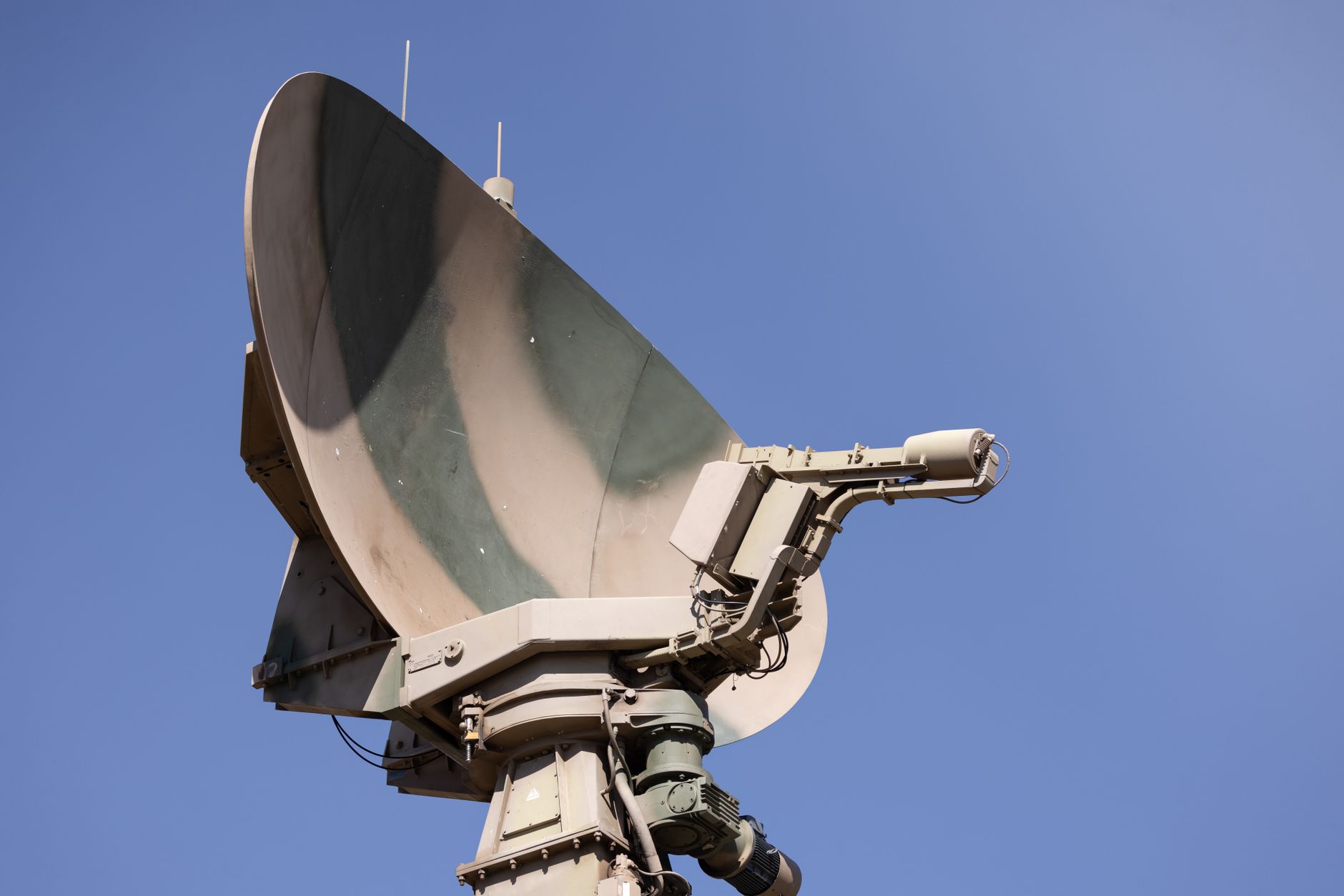
Ukraine is taking concrete steps to develop its own satellite communications network, aiming to reduce its heavy reliance on the SpaceX-operated Starlink and Starshield systems. This move follows recent service restrictions that hampered Ukrainian military operations, underscoring the risks associated with depending on infrastructure controlled by private entities and foreign governments. According to reports, the Ukrainian military has signed a letter of intent with Finnish telecommunications giant Nokia and satellite manufacturer ICEYE to explore the creation of a sovereign communications system.
The agreement, announced on October 22, reflects Kyiv's urgent need for a high-performance network that remains under its direct control. Rafal Modrzewski, the CEO of ICEYE, stated that Ukraine requires secure and sovereign capabilities, adding that his company has a track record of delivering such missions rapidly. This partnership builds on an earlier October 1 announcement in which Nokia and ICEYE stated they would collaborate to help defense customers establish secure, sovereign satellite communications.
The urgency behind this initiative stems from significant disruptions reported earlier this month. Since the full-scale Russian invasion began in February 2022, Starlink has been vital in maintaining connectivity in areas where ground-based infrastructure was destroyed. Additionally, the US government-controlled Starshield system has provided essential links for long-range drone operations and intelligence gathering, offering high resistance to Russian radio jamming.
However, on October 14, reports indicated that Ukrainian units faced severe limitations regarding Starshield access. Officials noted that reduced connection speeds significantly impacted frontline communications and drone performance. In some instances, drones equipped with satellite terminals reportedly lost connectivity and malfunctioned. Ukrainian President Volodymyr Zelenskyy confirmed that access had been restricted, sparking widespread concern among officials regarding the dangers of relying on infrastructure outside of national control.
The situation appeared to stabilize recently. On Saturday, Ukraine's Defence Ministry reported that monitoring systems showed a return to normal service levels. Defence Minister Evhenii Khmara stated that connection speeds had returned to over 400 kilometres per hour, providing a more stable environment for military coordination. Despite this improvement, the ministry did not clarify if full, unrestricted service had been permanently restored.
The controversy has sparked debate over the role of private corporations in international conflicts. SpaceX CEO Elon Musk has publicly maintained that the US government owns and controls the Starshield system, suggesting that any usage limits are determined by Washington. Meanwhile, US President Donald Trump stated he had not discussed the specific issue with Musk but expressed a willingness to resolve it if problems continued. No official acknowledgment of who ordered the restrictions has been made by either SpaceX or the White House.
This episode has prompted a broader discussion among European and Ukrainian officials about the implications of allowing unelected private entities to influence national security and foreign policy outcomes. By pursuing a sovereign alternative, Ukraine intends to safeguard its battlefield coordination from such external vulnerabilities. As the conflict continues, the shift toward homegrown or independent satellite capabilities represents a strategic effort by Kyiv to ensure that its military communications remain robust and reliable, irrespective of private sector decisions or shifts in international political priorities.








Comments