


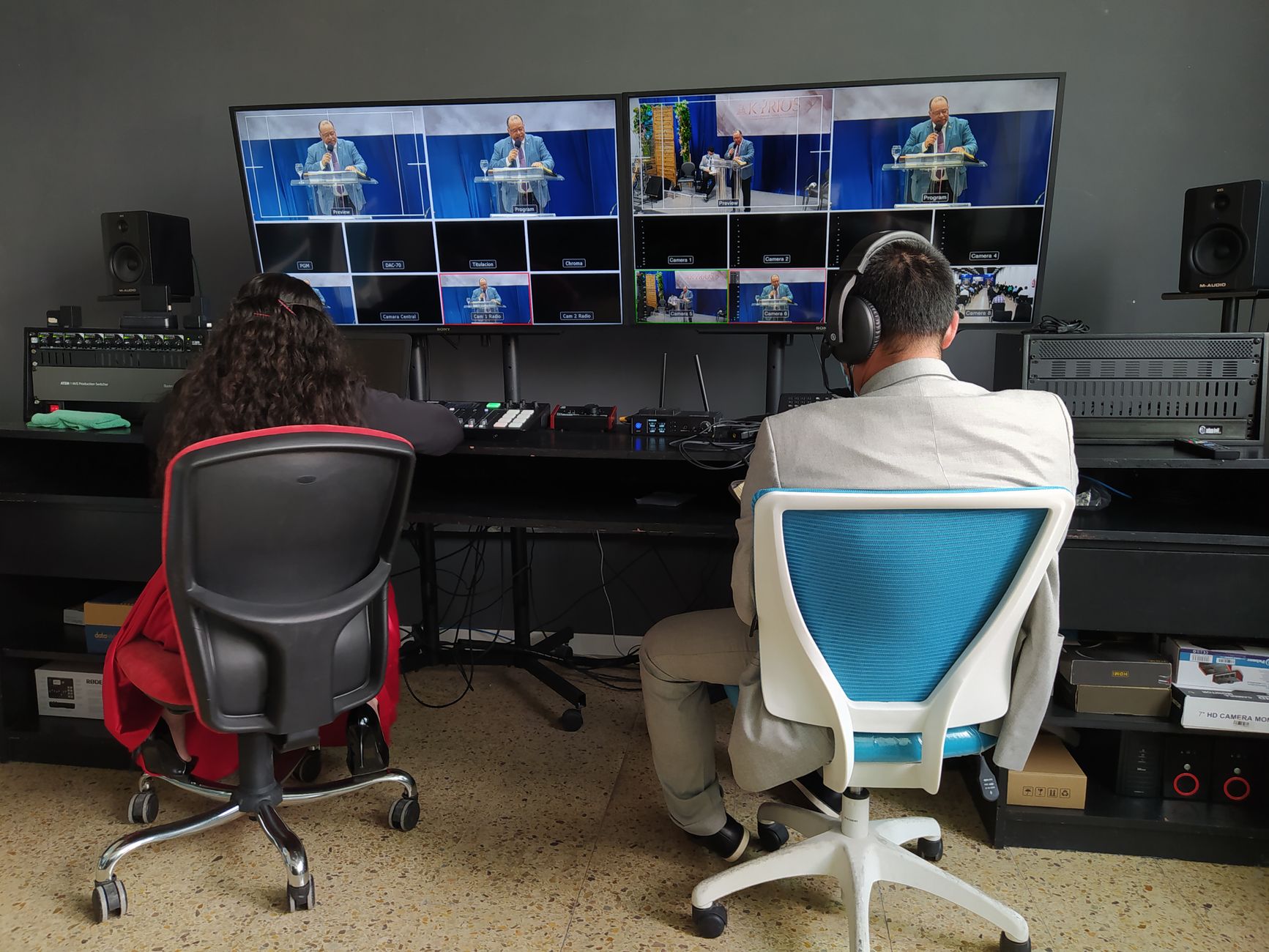
Brazilian President Luiz Inacio Lula da Silva and his right-wing challenger, Senator Flavio Bolsonaro, squared off in a final televised debate on Friday, intensifying their efforts to win over voters just two days before the country’s presidential run-off. The event, hosted in Rio de Janeiro and broadcast on TV Globo, served as the last major platform for the candidates to outline their visions for Brazil’s economic future and infrastructure development.
During the debate, the candidates engaged in sharp exchanges regarding their differing fiscal strategies. Lula challenged the senator’s proposal to significantly reduce public spending, comparing the plan to the approach taken by Argentina’s libertarian president, Javier Milei. In response, Bolsonaro claimed he would inherit a nation facing severe economic constraints, arguing that the incumbent administration has left the country in a state of financial disarray. Bolsonaro framed himself as a catalyst for necessary national change.
The discussion frequently moved beyond policy as the rivals traded personal accusations. Bolsonaro, the son of former President Jair Bolsonaro, alleged that the current administration had failed to curb the growth of organized crime and had done little to alleviate the financial strain on families caused by the rising cost of living. Lula pushed back by questioning the senator’s professional experience, asserting that his rival lacks an understanding of the realities facing the Brazilian public.
Tensions remained high throughout the broadcast, with several notable confrontations marking the proceedings. In one instance, Bolsonaro used a pejorative nickname referencing an injury sustained by the 80-year-old president during his years as a metalworker. Lula demanded an apology, which was subsequently issued by the senator. In return, Lula labeled his opponent a vigilante, referencing allegations linking the candidate to paramilitary groups in Rio de Janeiro. Bolsonaro denied these claims and pledged to categorize such organizations as “narcoterrorists” if elected.
Another heated moment occurred when the candidates addressed a question concerning the death of a child in a shootout involving a police officer previously represented by Bolsonaro. The senator maintained his belief that his former client was not guilty of the charges. Despite these moments of conflict, observers noted that the exchange was generally more diplomatic than the initial debate held on the previous Sunday.
The political climate remains highly competitive as the nation prepares for Sunday's decisive vote. In the initial round of polling conducted on October 4, Flavio Bolsonaro secured 47 percent of the vote, slightly ahead of Lula, who received 45 percent. However, the dynamics of the race appear to have shifted in the final stretch.
Data released by the Datafolha institute on Thursday indicates that the two candidates are now deadlocked, each capturing 50 percent support. This development marks a significant narrowing of the race, as Bolsonaro held a four-point lead in surveys conducted two weeks ago. As the campaign enters its final hours, both candidates are scheduled to hold last-minute rallies in Rio de Janeiro and Sao Paulo, aiming to mobilize their supporters before the polls officially open.








Comments