


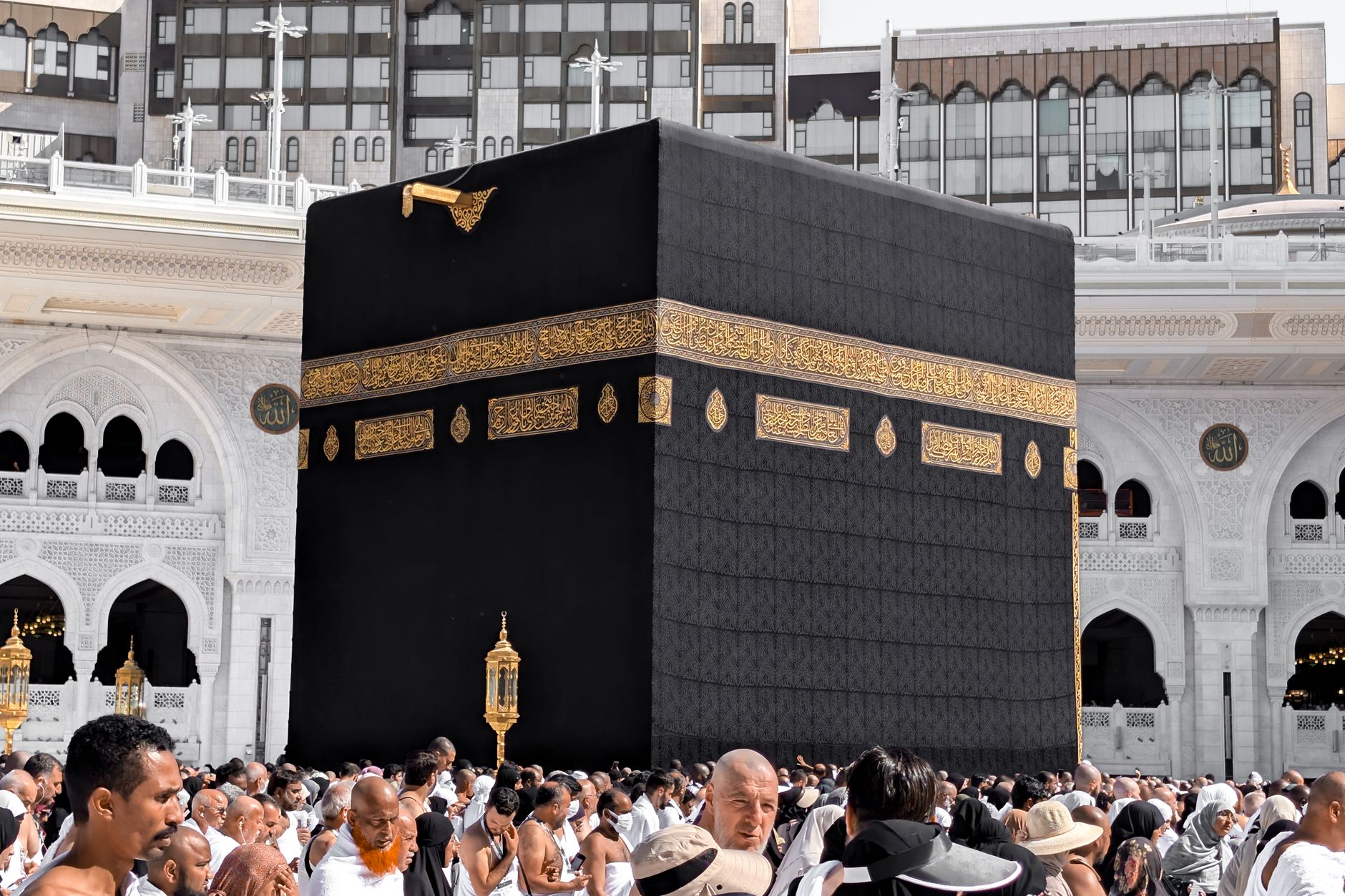
Yemen’s Houthi rebels have launched a new phase in their information warfare against Saudi Arabia by weaponizing disclosures from the recently released Jeffrey Epstein files. The Iran-backed group is utilizing claims derived from U.S. Department of Justice documents to challenge the religious legitimacy of the Saudi leadership. Specifically, the Houthis have focused on reports suggesting that individuals associated with the Saudi royal court facilitated the transfer of tapestries—which purportedly once adorned the Kaba in Mecca—to the private island of the late American sex offender.
The Houthi propaganda machine, which includes an extensive network of social media influencers, video production teams, and official news outlets, has aggressively disseminated this narrative to portray themselves as the true defenders of Islamic morality. By juxtaposing these allegations against the Saudi government, the group seeks to cast the kingdom as an opponent of the very religious values it claims to uphold. Mahdi al-Mashat, the Houthi president, explicitly tied the reported textile transfer to recent geopolitical tensions during a statement on the group’s official media channels, asserting that those responsible for providing Epstein with the Kaba’s cover are the same forces allegedly targeting the holy city.
This rhetorical strategy is part of a broader, long-standing campaign by the Houthis to reshape international and regional news to suit their political objectives. As the conflict in Yemen remains volatile, with the Saudi kingdom continuing to support the internationally recognized Yemeni government, the Houthis have increasingly aligned their media operations with their military maneuvers. These efforts have gained further momentum as the regional landscape remains strained by ongoing tensions linked to the conflict involving Iran, the United States, and Israel.
The timing of this campaign coincides with a period of heightened friction. Just last month, Saudi authorities reported that the Houthi rebels had directed strikes toward the holy city of Mecca, an accusation the rebel group has officially denied. These events occur against a backdrop of intermittent military activity, which has previously included drone and missile strikes targeting Saudi territory. The use of the Epstein files serves as a soft-power extension of this persistent friction, aimed at damaging Saudi Arabia's standing among its domestic and international audiences.
The revelations involving the textiles have sparked significant interest due to the symbolic importance of the Kaba, the structure central to Islamic worship. Despite the widespread circulation of these claims through the Houthi media network, the Saudi government has not issued a public response regarding the accusations or the underlying reports concerning the tapestries. The silence from the Saudi leadership has been noted as the Houthis continue to push the narrative of a deep moral contradiction at the heart of the Saudi royal court.
As the regional power struggle continues, the Houthis’ ability to mobilize their communication apparatus remains a significant component of their strategy. By linking a high-profile Western scandal involving a convicted sex offender to the custodianship of the world's holiest Islamic sites, the group aims to undermine Saudi credibility and rally support for their cause. The situation highlights the increasing intersection between global news cycles and regional political maneuvering, as non-state actors continue to exploit sensitive information to influence public perception and further their entrenched political goals in the Middle East.








Comments