


North Korean leader Kim Jong Un has arrived in the Chinese border city of Dandong, according to reports from South Korea’s Yonhap News Agency. The agency cited a South Korean government source, confirming that the North Korean head of state traveled to the neighbouring country through the newly opened New Yalu River Bridge. This significant cross-border movement took place on Saturday, marking a notable development in the logistics and diplomatic interaction between the two countries.
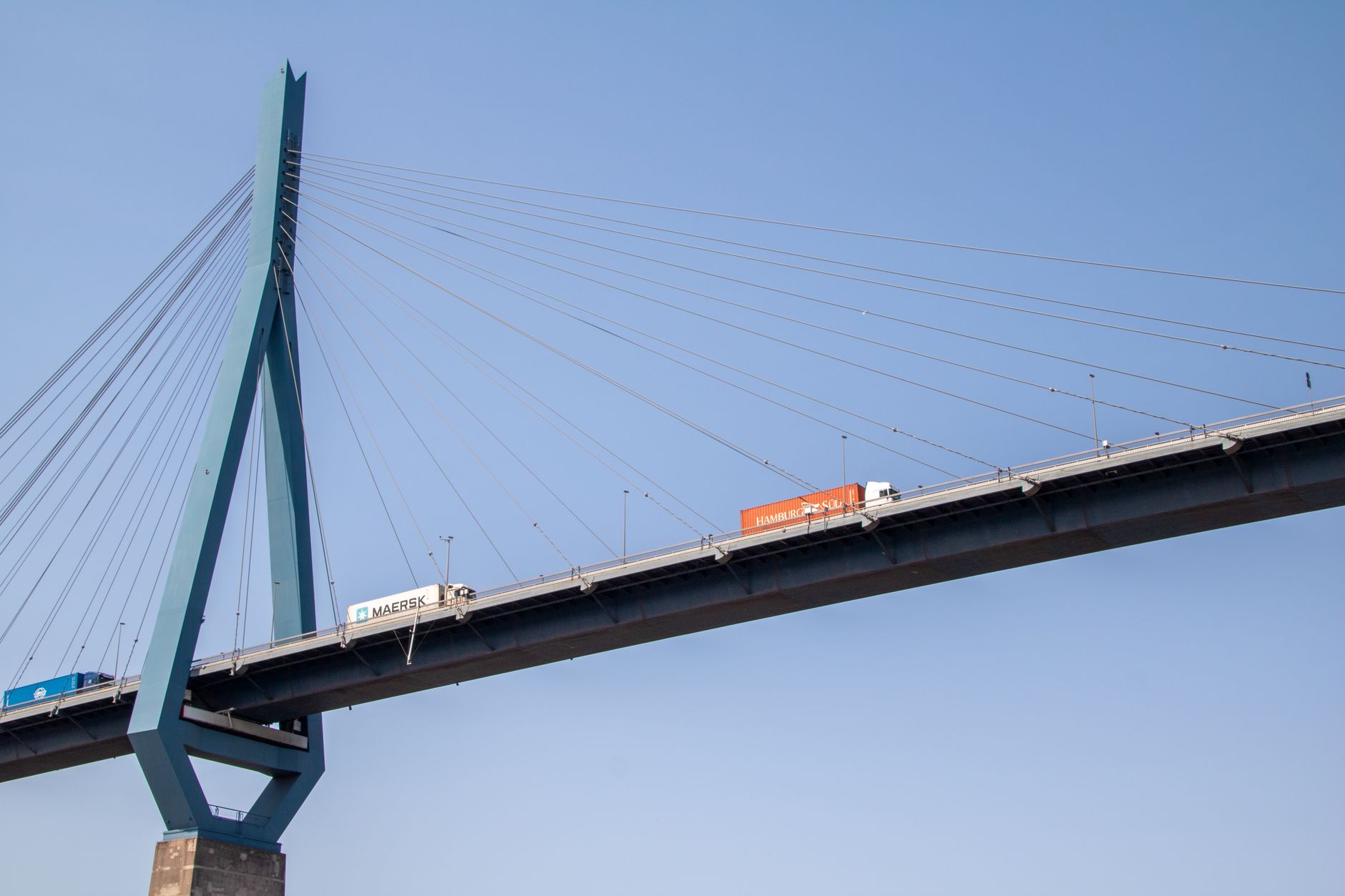
The journey marks a practical use of the New Yalu River Bridge, which was officially inaugurated only a week prior to the visit. Although the four-lane infrastructure project was initially completed in 2014, it remained non-operational for over a decade. South Korean media reports indicate that the long-standing delay in opening the bridge was primarily caused by an initial lack of essential connecting roads and customs facilities on the North Korean side of the border. The eventual activation of this passage is expected to facilitate better access between the Asian giant and its smaller, nuclear-armed neighbour.
China serves as North Korea’s largest trading partner and remains a crucial source of political, economic, and diplomatic support for the reclusive state. Despite the historically complex nature of their relationship, Beijing provides a vital lifeline to Pyongyang. Analysts often point to these high-level visits as indicators of the current state of bilateral cooperation, noting that while the relationship has seen fluctuations, the structural integration of transport links suggests a push toward deepening ties.
This latest visit follows a sequence of high-level diplomatic exchanges between the two nations over the past few years. Kim Jong Un’s last recorded visit to China occurred in September 2025, during which he attended the 80th Victory Day celebrations held in Beijing. That trip included a summit with Chinese President Xi Jinping, reinforcing the channels of communication between the two leaderships. Furthermore, President Xi had previously conducted a state visit to North Korea in June of that year, which was widely interpreted at the time as a clear signal of strengthening relations between the two regimes.
The opening of the New Yalu River Bridge represents a shift in border connectivity. While the infrastructure project was completed twelve years ago, it had effectively sat dormant until the recent completion of the necessary customs and road infrastructure. By enabling this direct route, both countries are signaling an intent to streamline their mutual interactions. Observers will be watching to see if the new bridge leads to a tangible increase in trade volumes or if its function remains largely limited to high-level diplomatic transport.
For the North Korean administration, maintaining a stable relationship with China is a cornerstone of its foreign policy, especially given the state's international isolation and reliance on regional allies. As both nations continue to navigate their respective diplomatic challenges, these personal meetings between the top leadership remain the most direct way to manage the nuances of their partnership. The arrival of Kim in Dandong serves as a testament to the continued relevance of these face-to-face engagements in modern East Asian geopolitics.
While details regarding the specific agenda of the current visit remain limited to the arrival in Dandong, the timing is significant. By crossing via the new bridge so soon after its opening, the North Korean leadership has underscored the importance of the project. Moving forward, the effectiveness of this new transit link will depend on how efficiently the two nations integrate their customs procedures and border trade operations. For now, the arrival of the leader in China confirms that the bridge is officially serving its intended purpose as a conduit for state-level communication.







Comments