


Authorities in the German state of Bavaria have confirmed that a suspect has been taken into custody following a major fire that broke out at the Kehlsteinhaus, a mountain retreat historically known as the Eagle's Nest. The incident began late on Friday, triggering an emergency response involving approximately 200 personnel who worked throughout the night to contain the flames.
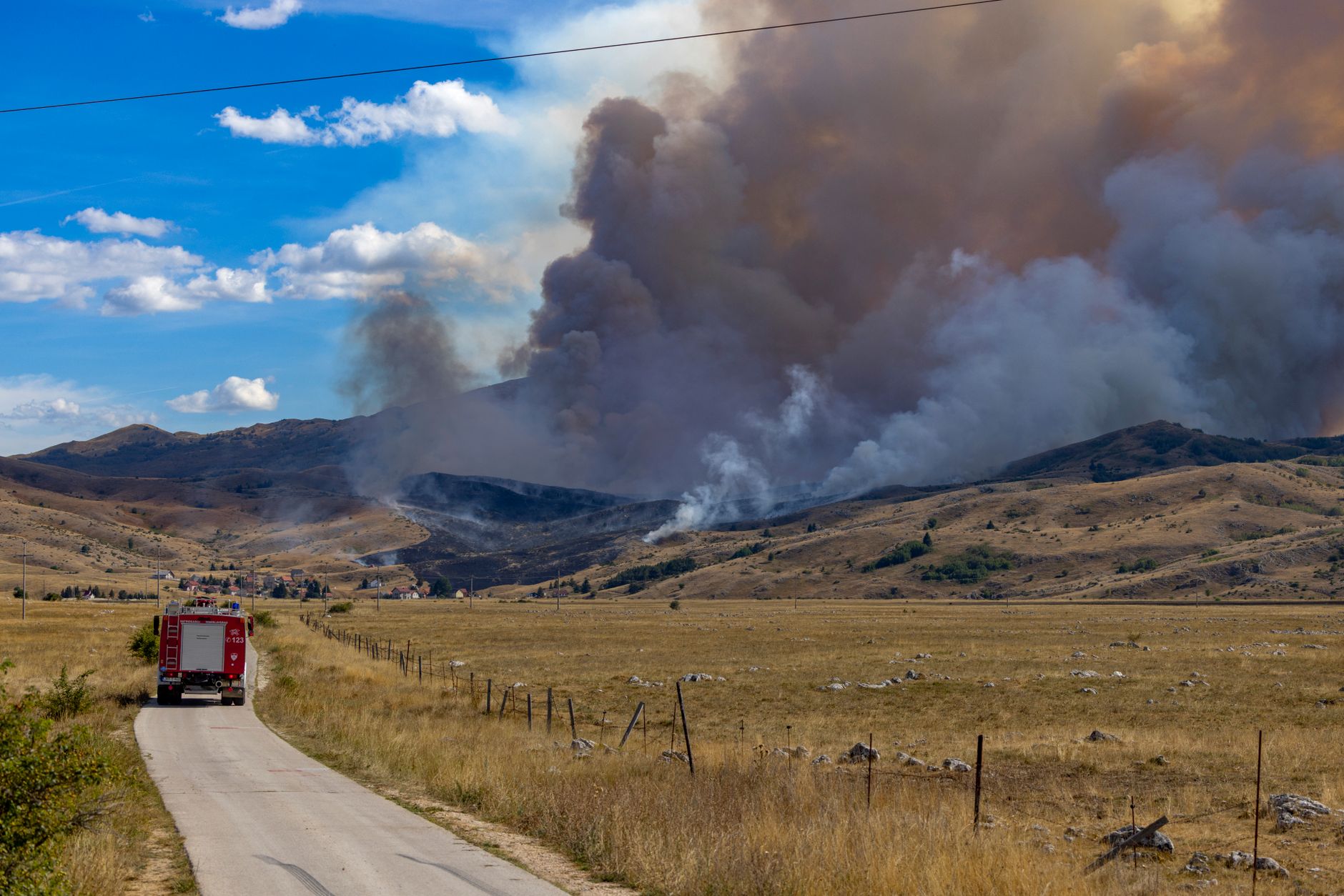
The fire alarm was initially received by dispatchers in Traunstein at 21:15 local time (19:15 GMT) on Friday. Upon arrival, firefighters found the structure engulfed in flames. By early Saturday morning, emergency crews were still battling the blaze, with operations hampered by the difficult, mountainous terrain surrounding the site. According to local law enforcement, there have been no reports of injuries resulting from the incident.
A formal criminal investigation is currently underway to ascertain the cause of the fire and to establish whether the detained suspect has a direct connection to the blaze. Officials have not yet disclosed further details regarding the identity of the individual or the nature of their involvement as the inquiry continues at the site above the town of Berchtesgaden.
The Eagle's Nest holds a significant place in history, having been completed by the Nazi regime in 1938. The mountain retreat served as a part-time seat of government for the dictator Adolf Hitler. It was notably the location where he convened with military commanders to plan the 1941 invasion of the Soviet Union. Beyond its strategic use, the property was also frequently utilized as a backdrop for Nazi propaganda films designed to portray the dictator as an individual with a deep affinity for nature and animals.
Following the defeat of the Nazi regime in 1945, the Eagle's Nest escaped destruction. In the decades since the end of World War II, the site has been transformed into a popular tourist destination. The building currently houses a mountain inn, attracting visitors from across the globe. The official website for the site describes the location as a cautionary reminder of the abysses of the inhumane Nazi dictatorship, a period during which the regime was responsible for the deaths of tens of millions of people, including the mass murder of European Jews.
The fire serves as another chapter in the ongoing efforts to manage the legacy of sites associated with the Nazi era. Recently, authorities in Germany have taken various steps to address locations linked to the country's dark history, such as the opening of a police station at the birthplace of Adolf Hitler in a bid to prevent the site from becoming a focal point for extremist sentiment.
As emergency teams remain on the scene to monitor the situation, the focus shifts toward damage assessment and the legal proceedings against the suspect. The local community and historical preservation experts are closely watching the investigation, given the cultural and historical weight of the structure. For now, the area remains under the control of emergency services as the investigation into the origins of the fire proceeds, with authorities aiming to clarify how a security breach or accident could occur at such a well-known historical landmark.








Comments