


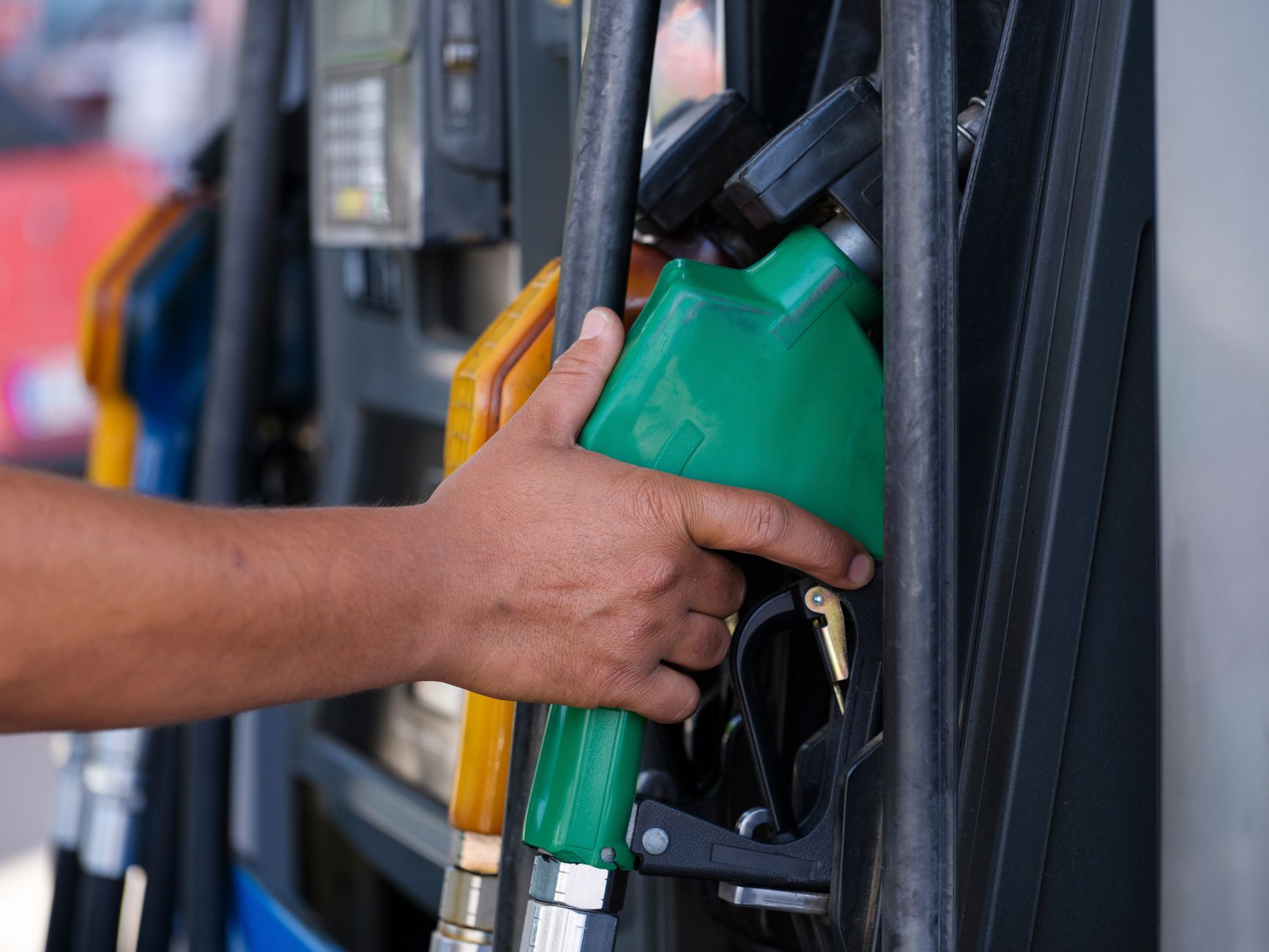
Retail petrol and diesel prices remained steady across major Indian metropolitan cities on October 24, as oil marketing companies continued to hold domestic fuel rates unchanged. While international oil markets have faced significant upward pressure due to escalating geopolitical tensions in the Middle East, the domestic retail market has not seen a corresponding adjustment in consumer prices.
The cost of fuel in India is determined by a variety of factors, including central and state government levies such as Value Added Tax (VAT), as well as freight charges and other localized expenses. These variables explain the significant price discrepancies observed between different regions and cities across the country.
As of October 24, petrol in New Delhi was retailing at ₹102.12 per litre, while diesel was priced at ₹95.20 per litre. In Mumbai, the financial capital, motorists were paying ₹111.21 per litre for petrol and ₹97.83 per litre for diesel. Other major hubs also reported consistent figures: Chennai residents paid ₹107.76 for petrol and ₹99.55 for diesel, while fuel in Kolkata was priced at ₹113.51 for petrol and ₹99.82 for diesel. In Bengaluru, prices stood at ₹111.68 per litre for petrol and ₹99.56 per litre for diesel, with Hyderabad seeing rates of ₹116.15 and ₹104.23 for petrol and diesel, respectively.
The stability of domestic prices comes against a backdrop of heightened volatility in global energy markets. Brent oil finished the week at its highest level since April, driven by supply concerns linked to the ongoing US-Iran conflict. Attacks on Saudi Arabia, including strikes on the Red Sea port of Yanbu and damage to oil fields, have further exacerbated fears regarding global crude availability. This regional instability threatens to impact shipping through the Strait of Hormuz, a critical maritime route for global crude exports.
The global crude benchmark settled just below $117 per barrel on the Friday prior to this report, marking a weekly increase of over 6%. Meanwhile, West Texas Intermediate (WTI) closed at a price point above $103. Market analysts note that oil traders have been hesitant to maintain short positions, and bullish dynamics in the options market have continued to influence future expectations for crude pricing.
Geopolitical uncertainty remains high, with reports indicating that the United States and Israel have developed plans for renewed strikes against Iran following the American midterm elections. US President Donald Trump recently indicated a firm stance regarding Iran, contributing to the broader atmosphere of tension that has driven Brent oil prices up by more than 85% over the past year. Despite these international fluctuations and the rising cost of refined products, Indian oil marketing companies have yet to pass these changes on to the domestic consumer.
Looking ahead, market participants and economic observers are closely monitoring whether the sustained pressure on global crude benchmarks will eventually necessitate a revision in domestic retail rates. The interplay between international supply constraints and local tax structures remains the primary driver for fuel pricing in the Indian market, as the country navigates the impacts of global geopolitical developments on its domestic economy.








Comments