


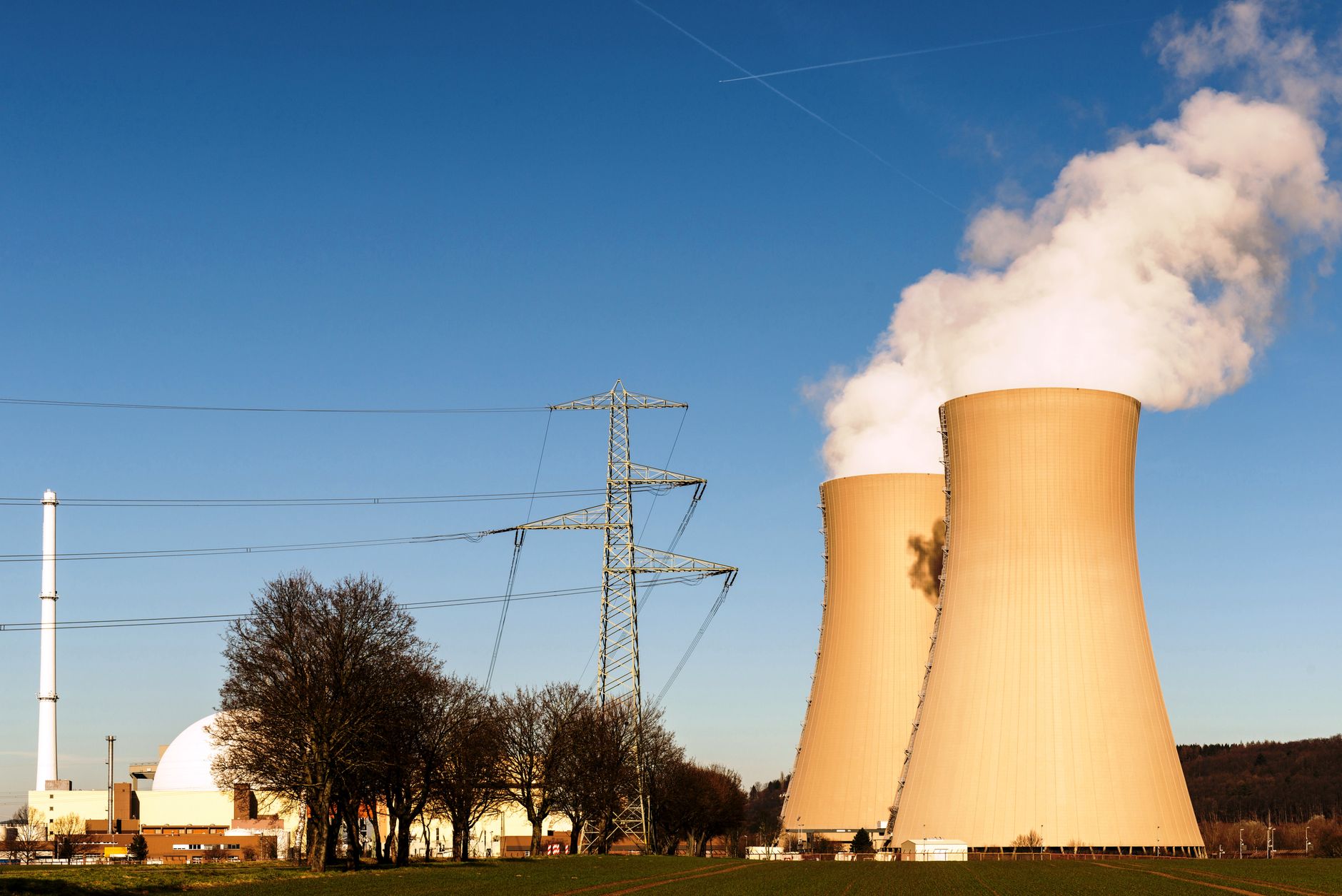
The head of the International Atomic Energy Agency (IAEA), Rafael Grossi, has projected that the global capacity for nuclear power could more than triple by the year 2060. In his annual report delivered to the United Nations General Assembly on Friday, Mr. Grossi highlighted that this significant expansion is being primarily driven by the global transition toward electrification, the proliferation of data centres powered by artificial intelligence, and a growing appetite among major technology companies for reliable, carbon-free energy sources.
According to the IAEA, nuclear energy is increasingly viewed by many nations as a cornerstone of national energy security. Mr. Grossi underscored the safety record of the sector, describing it as comparable to solar energy and asserting that it is safer than other alternatives. Currently, the landscape of global power generation is heavily supported by existing infrastructure; as of 2025, there are more than 400 operating reactors across over 30 countries. These facilities contribute 10 per cent of the world's total electricity and account for one-quarter of its low-carbon power production.
The growth trajectory for the sector is accelerating, with more than 60 new reactors currently under construction worldwide. Mr. Grossi noted that projections for future nuclear capacity have shifted dramatically upward, reflecting a changing geopolitical and economic consensus regarding the role of atomic energy in meeting climate and development goals. This shift comes despite the complex challenges the agency monitors regarding nuclear non-proliferation and safety in volatile regions.
Beyond the growth of peaceful nuclear power, Mr. Grossi addressed several high-stakes security issues. Regarding Iran, the IAEA director-general emphasized that the technical framework for a diplomatic agreement is prepared. He urged all involved parties to intensify efforts toward a solution that restores the IAEA’s verification mandate, noting that sustainable agreements are contingent upon the return of inspectors to Iranian sites. He also expressed significant concern regarding North Korea, which he described as a stark example of the dangers posed when established international red lines are breached through unauthorized nuclear weapons development.
The conflict in Ukraine remains a primary concern for the agency, particularly concerning the safety of the Zaporizhzhia nuclear power plant. As Europe’s largest nuclear facility, the plant remains in a highly precarious state due to frequent power supply interruptions and limited backup diesel reserves. Mr. Grossi warned that ongoing military activity continues to pose direct threats to both the plant’s operational integrity and the safety of the personnel working at the site.
On a more positive note, the agency reported tangible progress in resolving long-standing uncertainties surrounding Syria’s nuclear history. After nearly two decades of ambiguity, the IAEA has engaged with the current administration under interim President Ahmad al-Sharaa to clarify past nuclear activities. This follows reports from September that the former Bashar Assad-era government had been constructing a reactor designed to produce fissile material for potential military use, a matter that the agency is now systematically addressing.
As the international community looks toward 2060, the IAEA’s focus remains twofold: fostering the expansion of clean nuclear energy to meet industrial and technological demands while simultaneously navigating a fraught geopolitical environment. The agency continues to advocate for international oversight and diplomatic engagement as the only viable paths to ensuring that the growth of nuclear technology does not come at the cost of global security.








Comments