


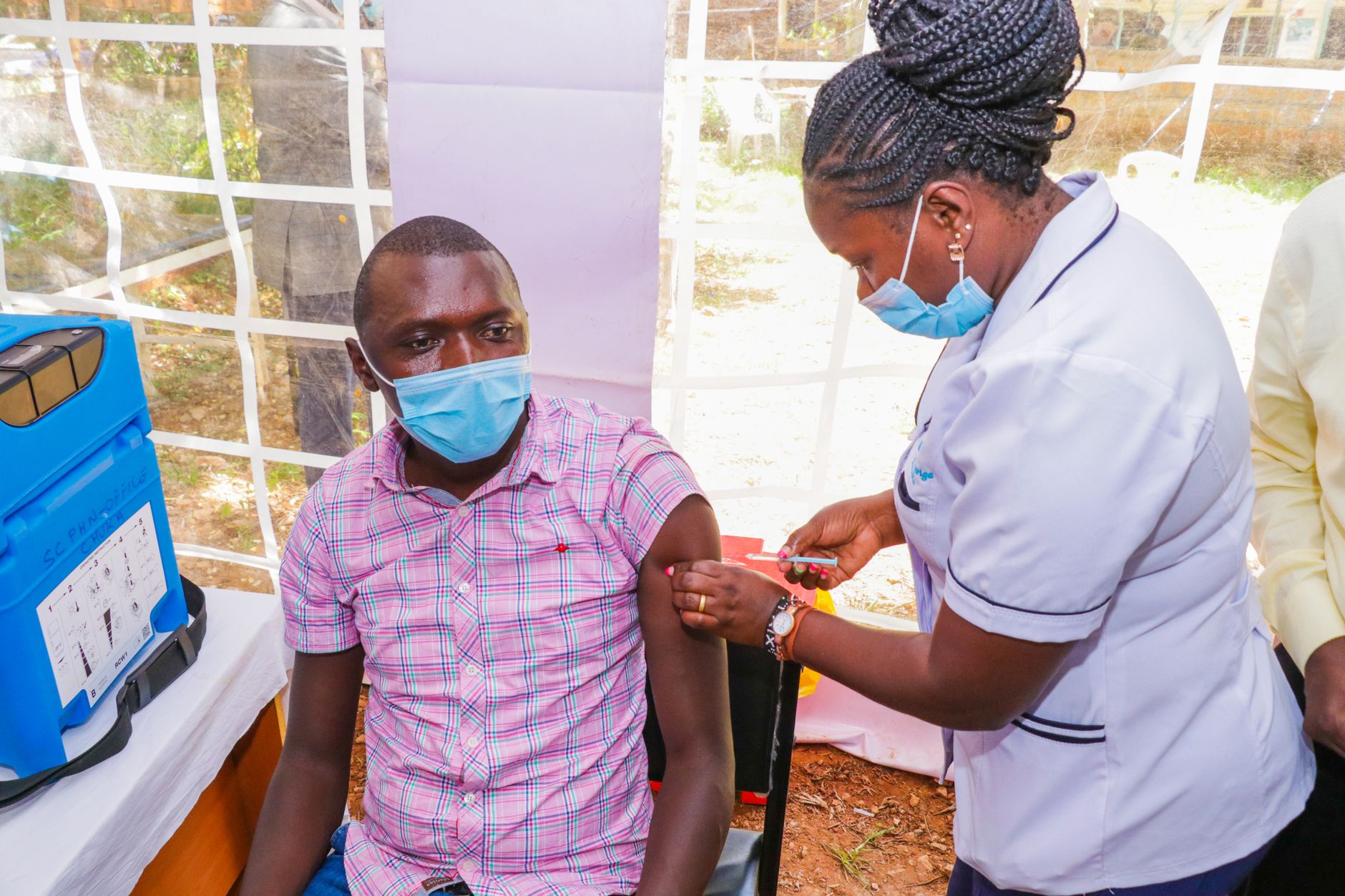
The World Health Organization (WHO) has officially announced the launch of a new clinical trial aimed at curbing the ongoing Ebola epidemic in the Democratic Republic of the Congo (DRC). This trial, known as the 'Tumaini' study, marks a critical step in addressing the specific strain of the virus currently affecting the region, as health experts race to provide effective immunization to those at high risk of infection.
Dr. Tedros Adhanom Ghebreyesus, the WHO Director-General, confirmed that the trial began with the administration of the Ervebo vaccine to participants in Bunia, the capital city of the northeastern Ituri province. Ituri currently serves as the epicenter for the outbreak. While Ervebo is already approved for the Zaire strain of Ebola, this study is designed to determine if it, and other candidate vaccines, can provide necessary cross-protection against the Bundibugyo species of the virus.
The DRC is currently battling its 17th and most severe Ebola outbreak, which was officially declared in May. According to official figures, the crisis has resulted in over 9,700 reported cases and more than 4,600 deaths. The scale and speed of this transmission led the WHO to declare a public health emergency of international concern, citing the fact that the virus has now spread across four countries in eastern, central, and western Africa, marking the widest geographic reach for any Ebola epidemic on the continent to date.
The Tumaini trial utilizes a specialized framework designed to evaluate the safety, efficacy, and immunogenicity of several vaccine candidates concurrently. A core component of the strategy is the 'ring vaccination' approach, which focuses on immunizing those identified as having the highest risk of infection through contact with known cases. This method is intended to break transmission chains more efficiently in affected communities.
In addition to the initial vaccinations, the trial is expected to incorporate two specific candidate vaccines currently in development. One is an mRNA-based jab produced by the US-based Moderna group, and the other is a ChAdOx1 adenoviral vector vaccine developed by the University of Oxford. Both projects have received support from the Coalition for Epidemic Preparedness Innovations (CEPI) and are expected to be introduced into the study framework shortly.
A significant aspect of the Tumaini trial is its inclusive design, which specifically intends to incorporate pregnant women and children aged 12 and older. These groups are frequently omitted from initial clinical studies, leaving a gap in medical evidence. By including them, the WHO and its partners aim to ensure that protection is extended to the most vulnerable members of the population.
Chikwe Ihekweazu, the director of health emergencies at the WHO, stated that the trial was established to produce the rigorous, high-quality data necessary to confirm if the participating vaccines can reliably protect individuals at risk. As the DRC-led effort moves forward, the international health community remains focused on collecting definitive evidence to help control the virus and prevent further loss of life during this complex and geographically widespread outbreak.








Comments