


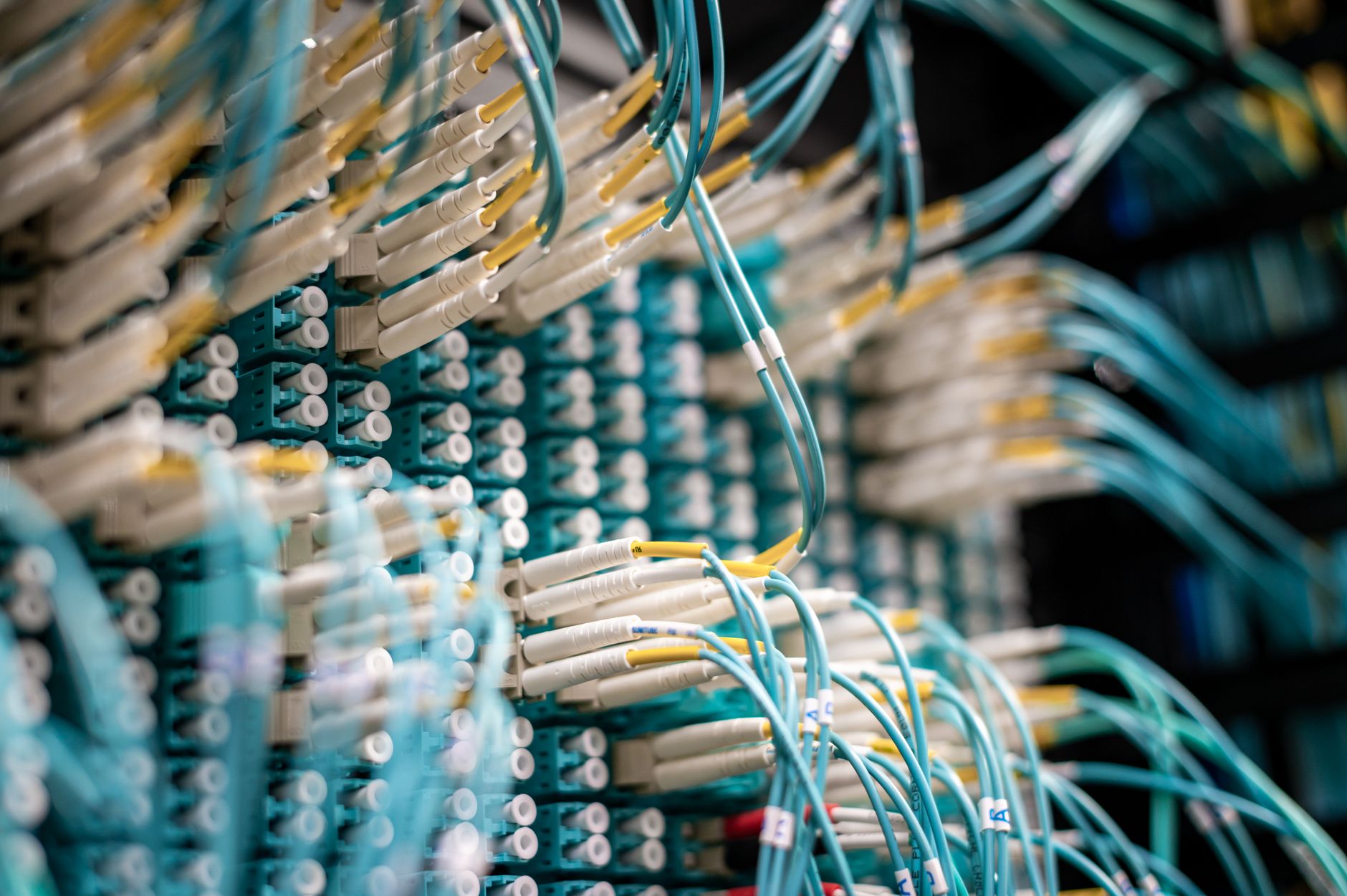
Iran has formulated specific plans to disrupt undersea communications cables in the Gulf region if it faces renewed military aggression from the United States or Israel. Two senior Iranian security officials, who spoke on the condition of anonymity, stated that Tehran views these critical pieces of digital infrastructure as potential targets should diplomacy with Washington collapse and conflict erupt.
The officials provided limited operational details regarding how or where such an intervention would occur. However, one source indicated that Iran’s objective would be to prevent rapid repairs to any damaged cables, effectively prolonging the resulting disruptions to internet and data communications. A representative for the Islamic Revolutionary Guard Corps (IRGC), Yadollah Javani, explicitly mentioned earlier this week that seven major internet cables running beneath the Strait of Hormuz could be targeted if Iranian infrastructure is attacked.
This rhetoric marks a significant shift in Tehran’s defensive posturing. According to the Iranian officials, any renewed U.S.-led military campaign would be met with a far more forceful response than previously seen. One official warned against the risks of “playing with fire,” asserting that Iran possesses the technical capability to access and compromise these subsea lines. Beyond undersea cables, officials have also suggested that land-based digital infrastructure, including data centers and AI facilities owned by U.S.-linked companies across the Gulf, could be included in their target list.
The potential threat comes as Gulf states move to diversify their economies away from oil dependence, investing heavily in technology to become global hubs for artificial intelligence. These nations have fostered deep commercial ties with major U.S. technology firms. Iranian officials suggested that Gulf states should hold Washington responsible for any damage incurred, implying that these threats are intended to apply pressure on both American leadership and the corporate entities operating in the region.
Alex Vatanka, director of the Iran program at the West Asia Institute in Washington, described these warnings as a deterrent strategy. By highlighting the vulnerability of investments in the Gulf, Tehran aims to compel regional governments and corporate executives to urge the U.S. government to mitigate the risks posed by its policies. Analysts note that while multiple cable cuts could hinder financial transactions, e-commerce, and cloud computing, the actual impact would rely heavily on how network operators reroute traffic and the availability of alternative capacity.
According to data from the International Telecommunication Union, undersea cables facilitate roughly 99% of global internet traffic. However, TeleGeography research director Alan Mauldin noted that the global disruption caused by cutting cables in the Strait of Hormuz might be constrained, as less than 1% of international bandwidth transits through that specific area. In contrast, the Red Sea serves as a more critical transit point for data traffic between Europe, Asia, and East Africa, though Iran has not publicly stated any intention to target infrastructure in that region.
The threat of sabotage complicates an already tense security environment. Military experts suggest that restoring submarine connections during an active conflict would be fraught with logistical challenges, including high insurance premiums and difficulties in obtaining the necessary permissions to enter territorial waters for repair work. As a countermeasure, Gulf nations and U.S. technology companies are actively investing in improved, resilient connectivity, with Microsoft alone planning to spend over $400 million on subsea and terrestrial infrastructure in West Asia by 2030. Currently, neither the U.S. State Department nor the Iranian Foreign Ministry has provided comment on the reports.







Comments