


In a rare and harrowing operation, a Ukrainian soldier who spent nearly eight months trapped in a destroyed school building has been successfully rescued from the frontline using a heavy-lift drone. Kostiantyn Vlasenko, 49, endured 491 days on the frontlines before his dramatic extraction on October 4. Military commanders have described the mission as the first known instance of a soldier being evacuated via an aerial drone.
Vlasenko had been stationed at a frontline position since May of the previous year. Alongside a fellow soldier known by the call sign Basky, he occupied a cramped dugout while relying on frequent drone drops for essential supplies. The situation turned dire during the autumn rotation period when multiple attempts to relieve the soldiers or recover the bodies of fallen personnel failed, resulting in further casualties. By mid-February, the pair were forced to relocate to a ruined school after their original foxhole became flooded.
Their sanctuary, however, was struck by a Russian drone, killing Basky on his 50th birthday and leaving Vlasenko with devastating injuries. With his left foot destroyed and his right leg severely broken, Vlasenko sought refuge beneath the building’s boiler. As his condition worsened and he found himself unable to move, he made the difficult decision to use a knife to amputate his own foot, which had been left dangling and causing extreme distress. He then applied a tourniquet to control the bleeding.
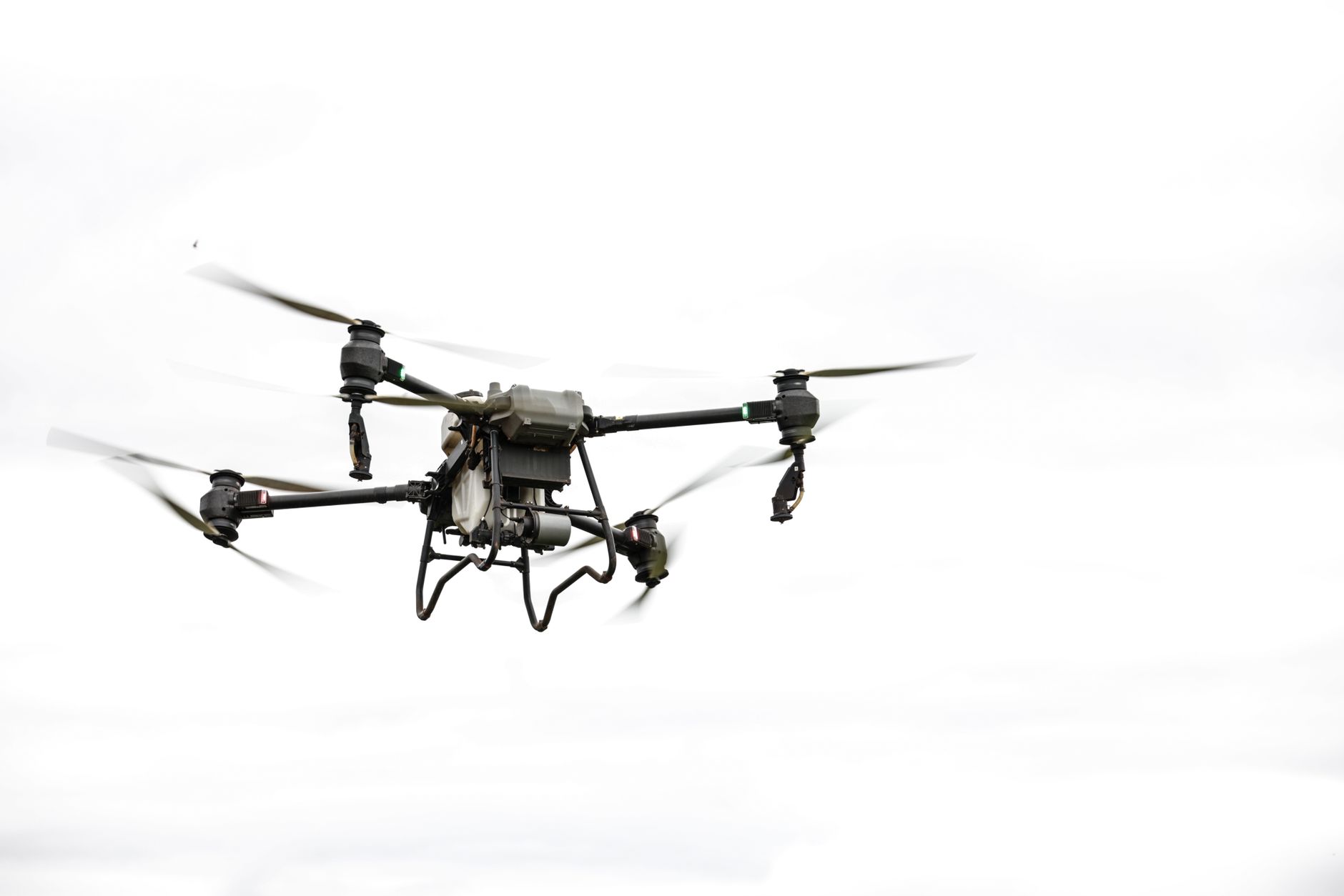
Conventional rescue efforts had become increasingly untenable in the area. According to an officer identified by the call sign Alex, the prevalence of Russian drones made it nearly impossible to utilize pickup trucks or armored vehicles for evacuations. Even unmanned ground vehicles deployed to reach Vlasenko were intercepted and destroyed by enemy fire. Consequently, the military turned to a heavy-lift drone developed by the Ukrainian firm Gurzuf Defense. Capable of carrying up to 90kg over a 25km distance, the aircraft featured six vertical rotors and a frame described as resembling a giant insect.
The logistics of the rescue were meticulously planned. In early October, Vlasenko received a package containing a harness and instructional videos via a standard supply drop. On the morning of October 4, the heavy-lift aircraft arrived. Vlasenko secured himself to a carabiner winch suspended beneath the drone. The machine then lifted him 70 metres into the air and transported him 15km to safety, a journey that lasted approximately 15 minutes.
To ensure the operation’s success, Ukrainian forces launched a coordinated suppression effort. Artillery units, fixed-wing aircraft, and first-person-view drone crews targeted known Russian positions for two hours to keep enemy fire at bay. Additionally, three smaller drones accompanied the transport craft to act as a distraction for any incoming Russian interceptors. Vlasenko later remarked that his primary fear during the flight was not falling, but rather landing in water, as he is unable to swim.
Vlasenko is currently recovering at a hospital in Kharkiv. The successful extraction highlights a growing reliance on unmanned aerial technology in the conflict, as Ukraine increasingly utilizes these drones to navigate areas where traditional evacuation vehicles are too vulnerable to operate. While the military has corroborated the core of Vlasenko’s account, the event marks a significant evolution in battlefield medical logistics under extreme conditions.







Comments