


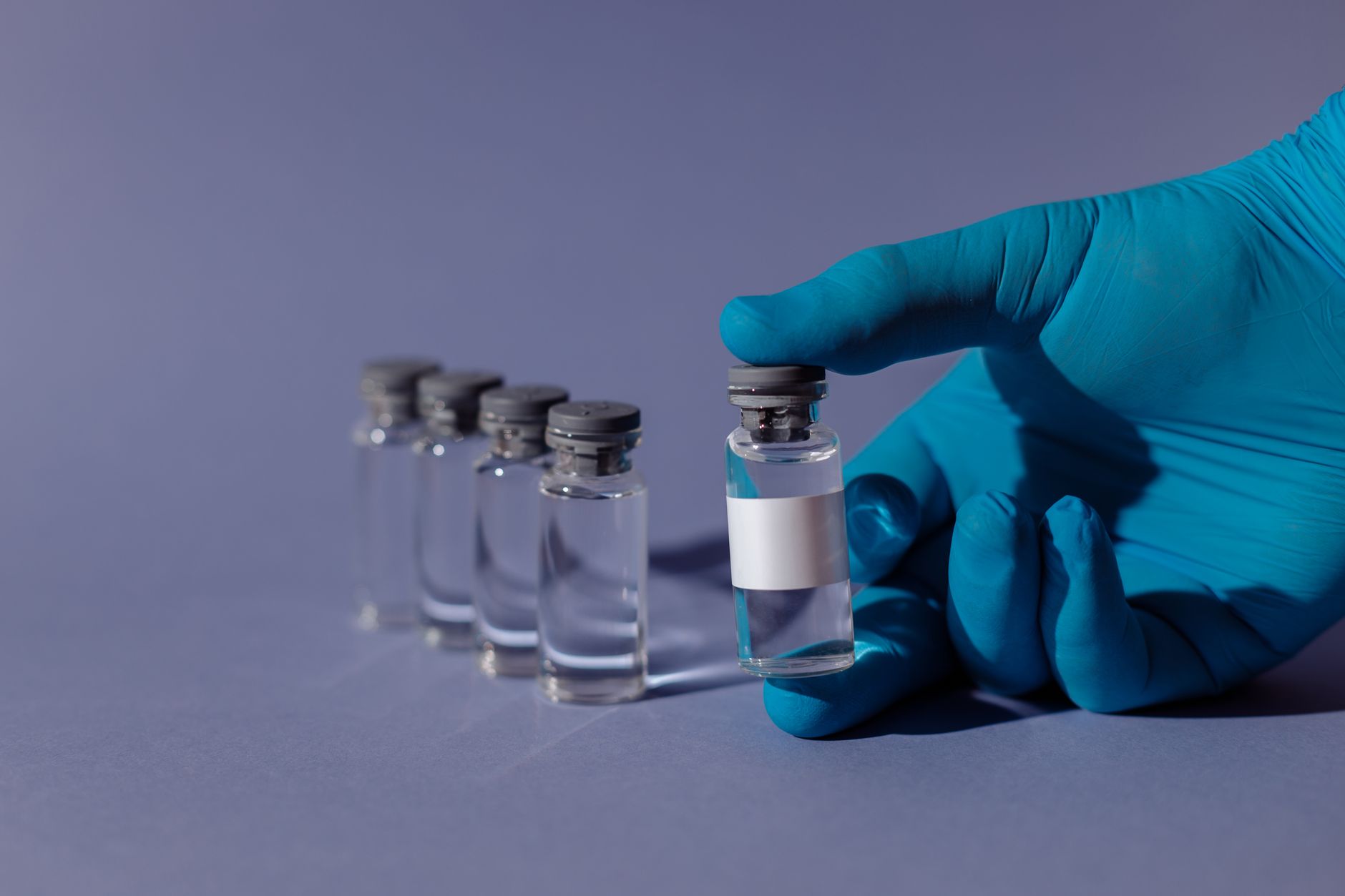
Hyderabad-based vaccine manufacturer Bharat Biotech announced on Friday a significant reduction in the price of its malaria vaccine, Mosqivac. Under a new agreement facilitated by UNICEF and financially supported by Gavi, the Vaccine Alliance, the cost of the vaccine will be lowered by approximately 40 percent. This adjustment, which is set to take effect by early 2027, will bring the price per dose down to €5.50 from the current rate of €9.30.
The agreement was enabled through an advance payment from the International Finance Facility for Immunisation (IFFIm). According to the company, this strategic move is designed to foster a more sustainable and competitive market for malaria vaccines while ensuring equitable access. The anticipated price reduction is projected to generate roughly $50 million in savings for international child immunisation programmes between 2027 and 2029. Furthermore, this initiative is expected to allow the reach of the full four-dose vaccination course to expand to an additional one million children.
The vaccine, known as RTS,S/AS01, was originally developed through a partnership involving GSK, PATH, and several other entities. Bharat Biotech manufactures the product under the Mosqivac brand. The vaccine gained international prominence in 2021 when it became the first malaria vaccine to be recommended by the World Health Organization. Since that recommendation, both GSK and Bharat Biotech have invested $200 million into the development of higher-output manufacturing facilities, technological advancements, and product development to ensure a stable and affordable global supply.
Bharat Biotech’s Executive Chairman, Krishna Ella, noted that the Gavi–UNICEF agreement represents a substantial commitment to broadening the scope of malaria vaccination efforts. He stated that, as global partners in public health, they have dedicated significant resources to strengthening manufacturing capabilities and supporting sustainable access to essential vaccines. Similarly, Harmony P. Garges, Chief Global Health Officer at GSK, emphasized the necessity of such partnerships during a period of mounting pressure on international health resources, stating that this collaboration demonstrates how collective action can deliver tangible results for children at risk of the disease.
The demand for malaria vaccines has consistently surpassed initial forecasts since the rollout of the immunisation programme began in 2024. UNICEF has already procured and delivered more than 74 million doses to various regions. Currently, the Gavi-funded malaria initiative is integrated into the routine immunisation schedules of 25 African nations, which collectively account for over 70 percent of the global malaria burden.
The importance of this vaccine deployment lies in its clinical effectiveness. According to medical data, a complete four-dose course of RTS,S/AS01 is capable of reducing malaria cases by approximately 75 percent when administered seasonally in areas characterized by high seasonal transmission. By lowering the cost, the collaboration aims to ensure that these life-saving doses remain available and affordable for the regions that need them most, reinforcing the long-term viability of malaria prevention strategies in high-risk zones.







Comments