


Israeli Prime Minister Benjamin Netanyahu has ordered preparations for a comprehensive military operation across the occupied West Bank following a deadly shooting near Hebron on October 23. The incident, which resulted in the deaths of two Israeli soldiers, has prompted the government to initiate a broader security response, raising concerns regarding further escalation and movement restrictions for Palestinians just days before Israel's scheduled national election on October 27.
According to preliminary findings from a military investigation, the confrontation began at a temporary checkpoint outside Hebron. Two Palestinian gunmen opened fire on soldiers after failing to reach a nearby highway, where authorities suspect they intended to target civilians. The ensuing gunfight lasted over 20 minutes, leaving five Israelis wounded, two of whom subsequently died from their injuries. Israeli forces reported that both gunmen were killed during the exchange of fire.
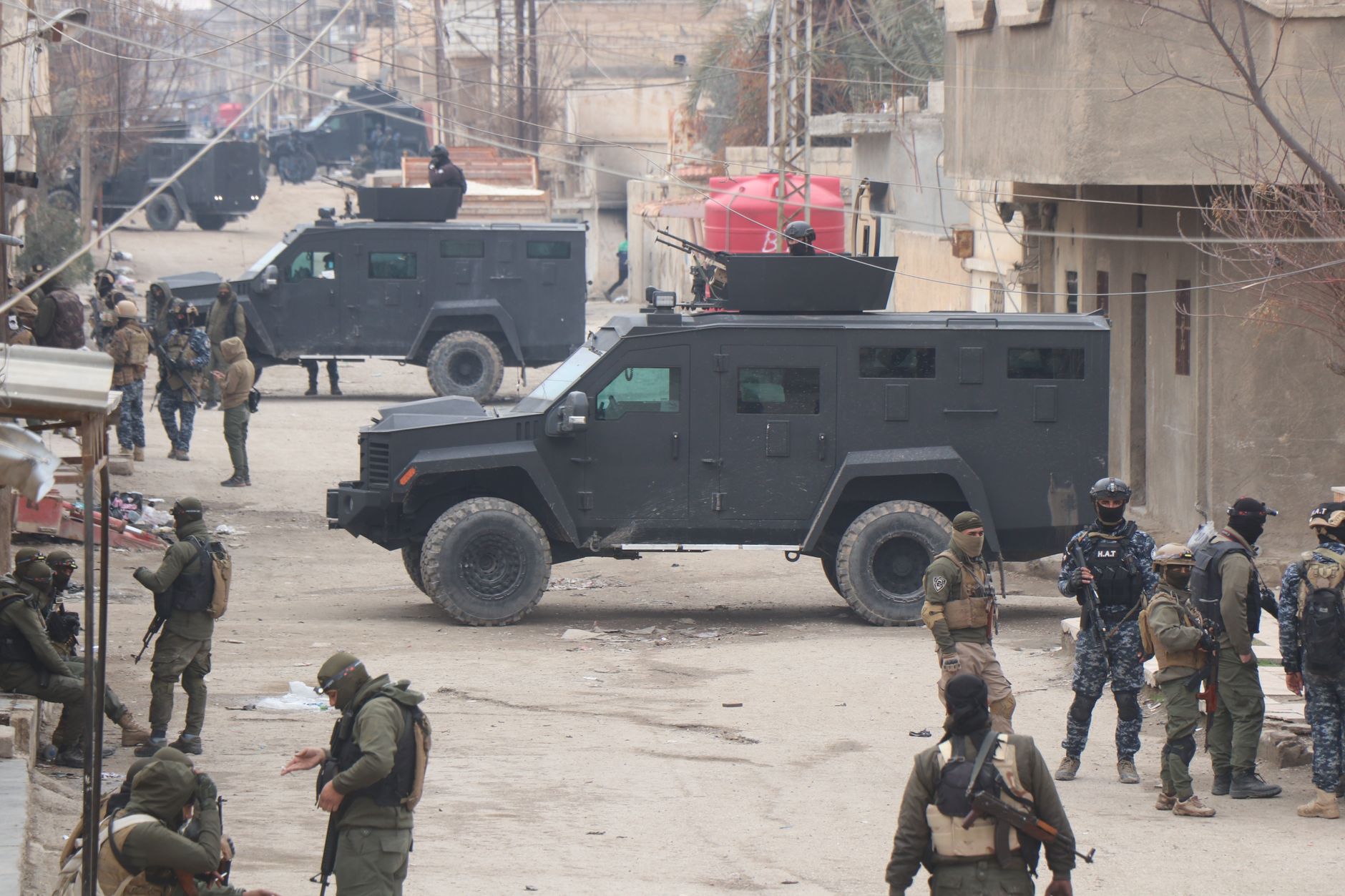
Following an emergency meeting with his security cabinet and senior military officials, Prime Minister Netanyahu directed security forces to establish a cordon around Hebron. Plans for the broader operation include entering the neighborhood where the attackers resided, evacuating residents, and performing house-to-house searches. These measures are intended to dismantle what Israel identifies as militant infrastructure and seize weapons. Netanyahu drew comparisons between this planned action and the 2025 offensive in northern West Bank refugee camps, which the UN human rights office reported resulted in the displacement of tens of thousands of people.
In addition to the localized operation, Israeli forces have begun implementing territory-wide restrictions. Checkpoints and road gates have been established, limiting movement between various Palestinian towns and villages. Reports indicate that this closure marks the fourth such restriction imposed on the territory within the past month. While these measures significantly disrupt the daily lives of Palestinians, roads remain accessible to Israeli drivers, including settlers living in the region.
The surge in violence occurs as the country prepares for the October 27 national election, the first since the Hamas-led attack on October 7, 2023. The security situation has become a central theme in the political discourse, with Netanyahu’s handling of Palestinian attacks featuring prominently in the debate. The Prime Minister is expected to utilize the military response to demonstrate a firm security stance, though he faces pressure from far-right coalition partners who have been advocating for even more robust action against Palestinians.
Current political dynamics remain volatile, as opinion polls suggest the right-wing coalition led by Netanyahu is at risk of losing its parliamentary majority. With former military chief Gadi Eisenkot identified as a leading challenger, the outcome of the election remains uncertain. Netanyahu’s future, observers note, will depend not only on the security narrative but also on the outcome of subsequent coalition negotiations after the polls close.
This escalation in the West Bank adds a complex layer to the final days of the electoral campaign. As military preparations proceed, the focus remains on whether these measures will quell further violence or lead to a broader destabilization of the region. International observers and humanitarian organizations remain attentive to the impact these security maneuvers may have on the civilian population as the political landscape shifts toward the impending election date.








Comments