


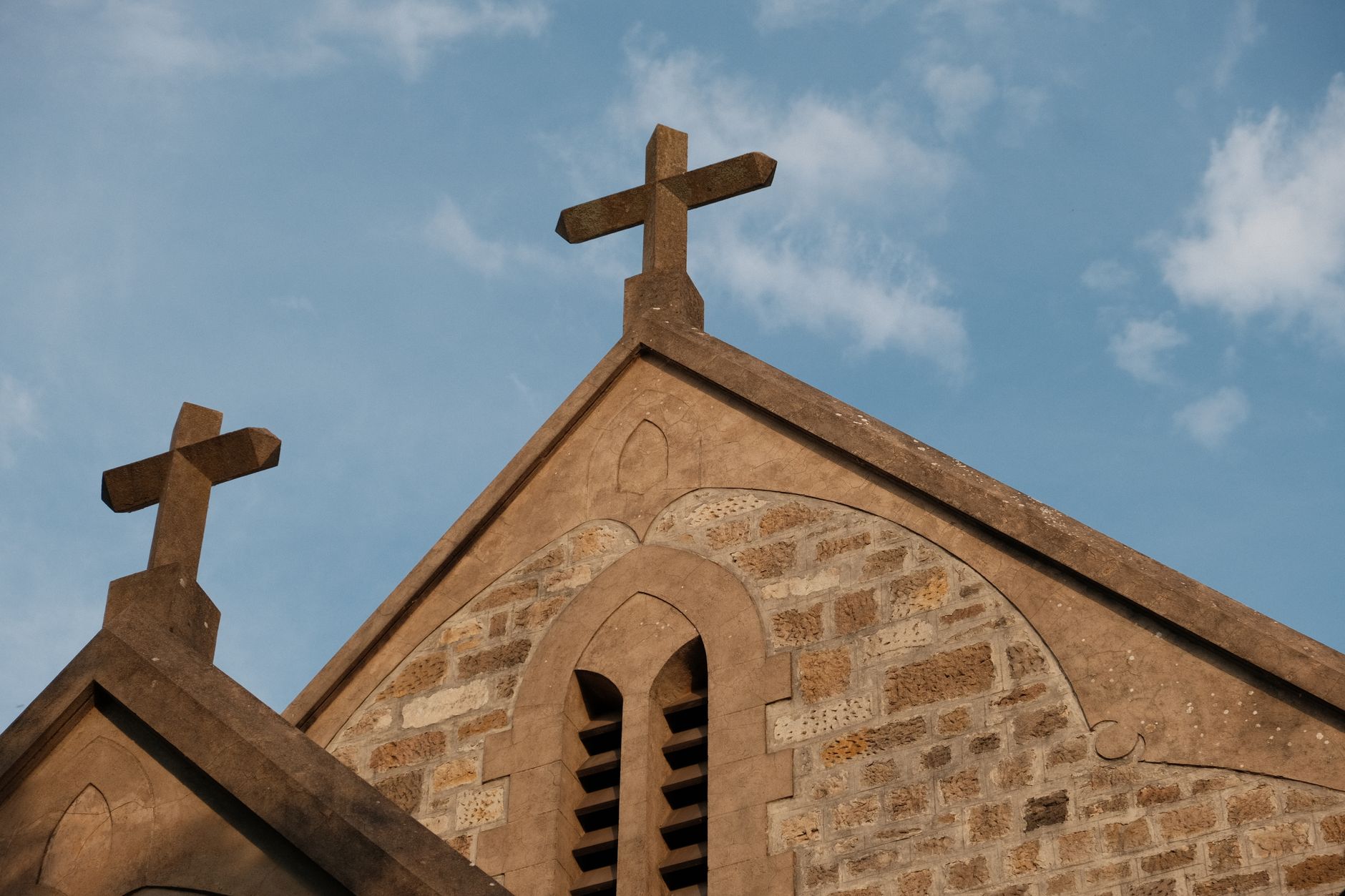
At least six people have been confirmed dead following a violent attack on a church in Jordan’s Karak governorate, according to the country’s Public Security Directorate. The incident occurred on Friday during a funeral procession at the Hamoud church, leaving 28 others wounded. While initial reports from local sources suggested a higher casualty count of seven, the official spokesperson for the Public Security Directorate confirmed the death toll currently stands at six.
Witnesses who were present at the scene described a harrowing sequence of events. According to survivors, the peaceful procession was interrupted by an explosion, immediately followed by the entry of two masked assailants who initiated gunfire. Khaled Burqan, who attended the funeral, reported to the state-owned television station Al-Mamlaka that the attackers arrived in a vehicle. He noted that one individual was armed with a pistol, while the other was carrying a rifle.
In the aftermath of the shooting, Jordanian security forces were rapidly deployed to the area surrounding the church. Authorities have initiated a pursuit of the two suspects, who reportedly fled the location after the assault. As of now, no individual or organization has issued a claim of responsibility for the attack, and Jordanian officials have not yet identified the culprits or provided information regarding the potential motives behind the violence.
Incidents of this nature are considered extremely rare in Jordan. The country, which has a population of approximately 11.5 million, is home to a Christian minority numbering about 300,000 people. Despite this minority status, the nation is widely recognized for housing significant biblical sites that draw pilgrims and tourists from across the globe. The Karak governorate, situated roughly 120km south of the capital, Amman, is frequently cited for its long history of interfaith solidarity, where Muslim and Christian communities have reportedly coexisted for generations.
The location of the attack has a history of security concerns. In 2016, the region saw a major assault when a group of fighters occupied a Crusader-era castle in Karak. That incident resulted in the deaths of 10 people, including security personnel and a Canadian tourist, before security forces intervened and killed the attackers. Analysts observing the current situation suggest that the latest violence serves as a stark disruption to the social harmony typically associated with the area.
Political observers have noted that this attack holds broader implications for Jordan’s international standing. Amman has long positioned itself as a custodian of both Christian and Muslim holy sites in Jerusalem. King Abdullah II has historically maintained a vocal stance regarding the protection of these sites, making the current breach of security particularly sensitive for the nation's public diplomacy.
As the investigation continues, the focus remains on the manhunt for the two suspects. The international community and local leadership are watching closely to see how the government manages the aftermath of this tragedy. Analysts like Xavier Abu Eid have suggested that if the perpetrators intended to incite sectarian divisions, the historical resilience of the local community may prove a significant counterpoint to such efforts, though the state's immediate priority remains the apprehension of those responsible for the Friday attack.








Comments