


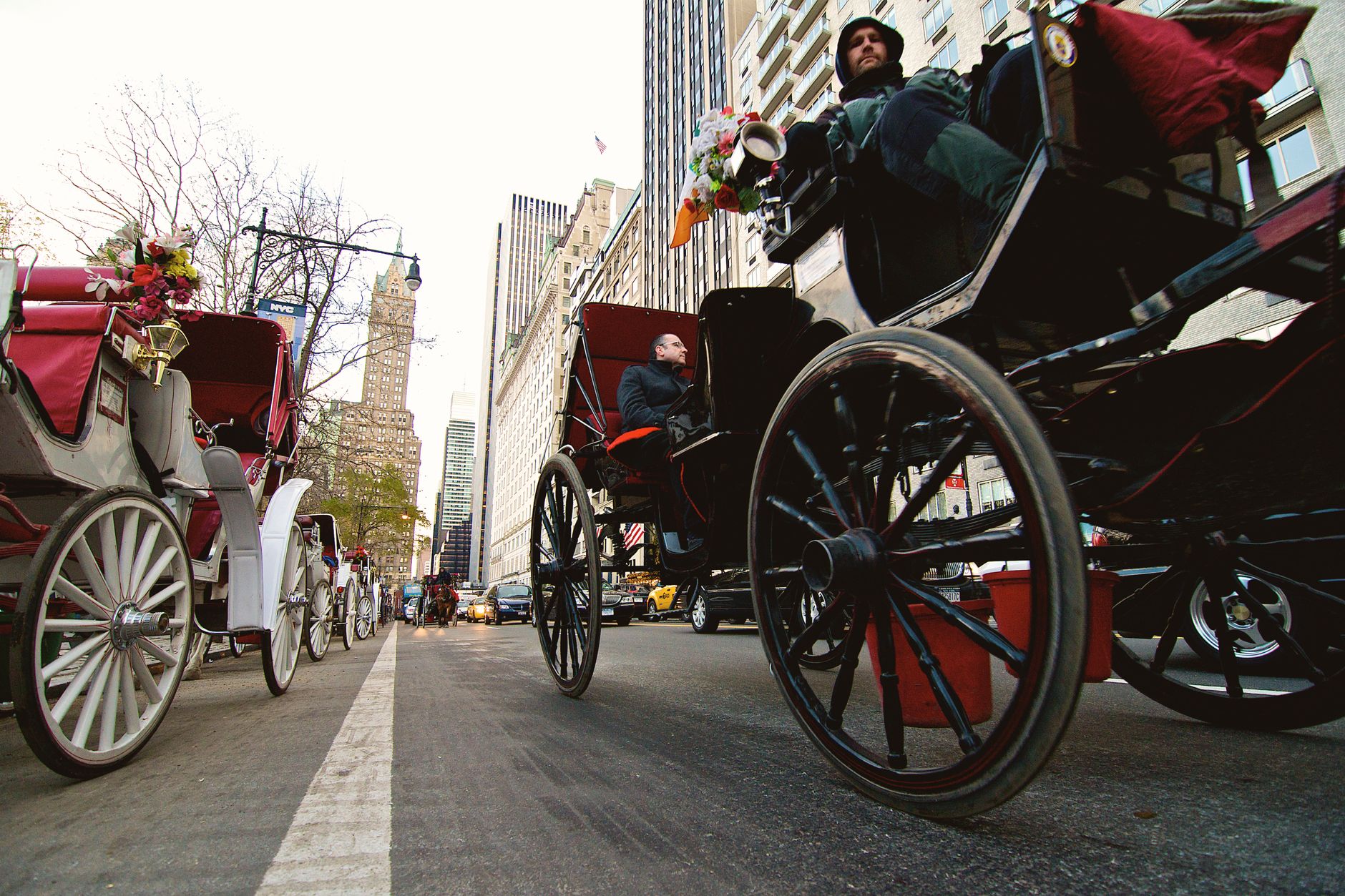
The New York City Council has formally approved a legislative ban on the city's iconic horse-drawn carriages, a move that will effectively bring an end to a tradition spanning more than 160 years. According to the official timeline approved by local authorities, the ban is scheduled to take full effect in June 2028. This significant decision comes after years of persistent campaigning by animal rights advocates and various city officials who have questioned the safety and ethical implications of the industry within a dense urban environment.
The push for a legislative change reached a critical turning point earlier this year following a tragic accident. A fatal incident involving a carriage horse that bolted resulted in the death of an 18-year-old, an event that served as the final catalyst for the council's decision to move toward a complete prohibition of the practice. While the carriages have long been a fixture of the city's tourism landscape, the recent loss of life shifted the public discourse, accelerating the legislative process under the administration of Mayor Zohran Mamdani, who has been a vocal proponent of the ban.
The debate surrounding the industry remains complex, reflecting deeply divided perspectives among residents, workers, and tourists. Interviews conducted by the BBC highlighted the starkly different views held by stakeholders. For those who operate the carriages, the industry is described as a unique cultural element of New York City, one that provides a traditional experience for visitors. Proponents of the carriage trade have argued that the horses are well-cared for and that the industry remains an integral part of the city's historic identity. Many workers who have spent years in the trade are now facing an uncertain future as the 2028 deadline approaches.
Conversely, animal rights activists and their supporters have long pointed to the inherent dangers of subjecting large animals to the heavy traffic and high-stress environment of Manhattan streets. They argue that the practice is outdated and fundamentally inhumane in a modern metropolitan setting. This perspective gained significant political traction following the fatal accident, with officials emphasizing the need to prioritize public safety and animal welfare over traditional tourism services. For these advocates, the upcoming ban represents a victory for ethical standards and urban safety.
As the city looks toward the June 2028 deadline, questions remain regarding how the transition will be managed for those currently employed in the carriage trade. The industry has been a consistent feature of the city's tourism sector for over a century and a half, making its removal a notable shift in New York's cultural policy. While the decision is now set in law, the conversation regarding the balance between historical preservation and contemporary animal welfare standards continues to resonate across the city.
Tourists, who have historically been the primary customers for these carriage rides, appear divided on the issue. Some express sadness at the prospect of losing a quintessential New York experience, while others express support for the change, citing concerns for the well-being of the horses and the safety of pedestrians. As the phase-out period begins, the city faces the challenge of reconciling these competing values while implementing the transition to a carriage-free environment. This move signals a broader trend in major global cities seeking to modernize their approach to animal-assisted tourism and urban traffic management.








Comments