


The Indo-Tibetan Border Police (ITBP) has deployed its newly established Shaurya commando units to manage evolving security challenges along the India-China border. According to ITBP Director General Shatrujeet Singh Kapur, these specialised teams have played an exemplary role in recent confrontations with Chinese troops at multiple locations in Arunachal Pradesh. While the exact locations of these encounters remain undisclosed, the ITBP chief confirmed that face-offs have occurred at several points and that the situation remains an active concern.
Kapur provided these details while addressing ITBP personnel during a felicitation ceremony in Alwar, Rajasthan, on October 23, 2026. His remarks underscore that despite ongoing military-level discussions between the two nations, friction along the 3,488-km Line of Actual Control (LAC) continues to persist. The Shaurya commandos represent a strategic evolution for the ITBP, moving toward more specialised, combat-oriented capabilities tailored for the rugged and demanding high-altitude frontier the force is tasked with protecting.
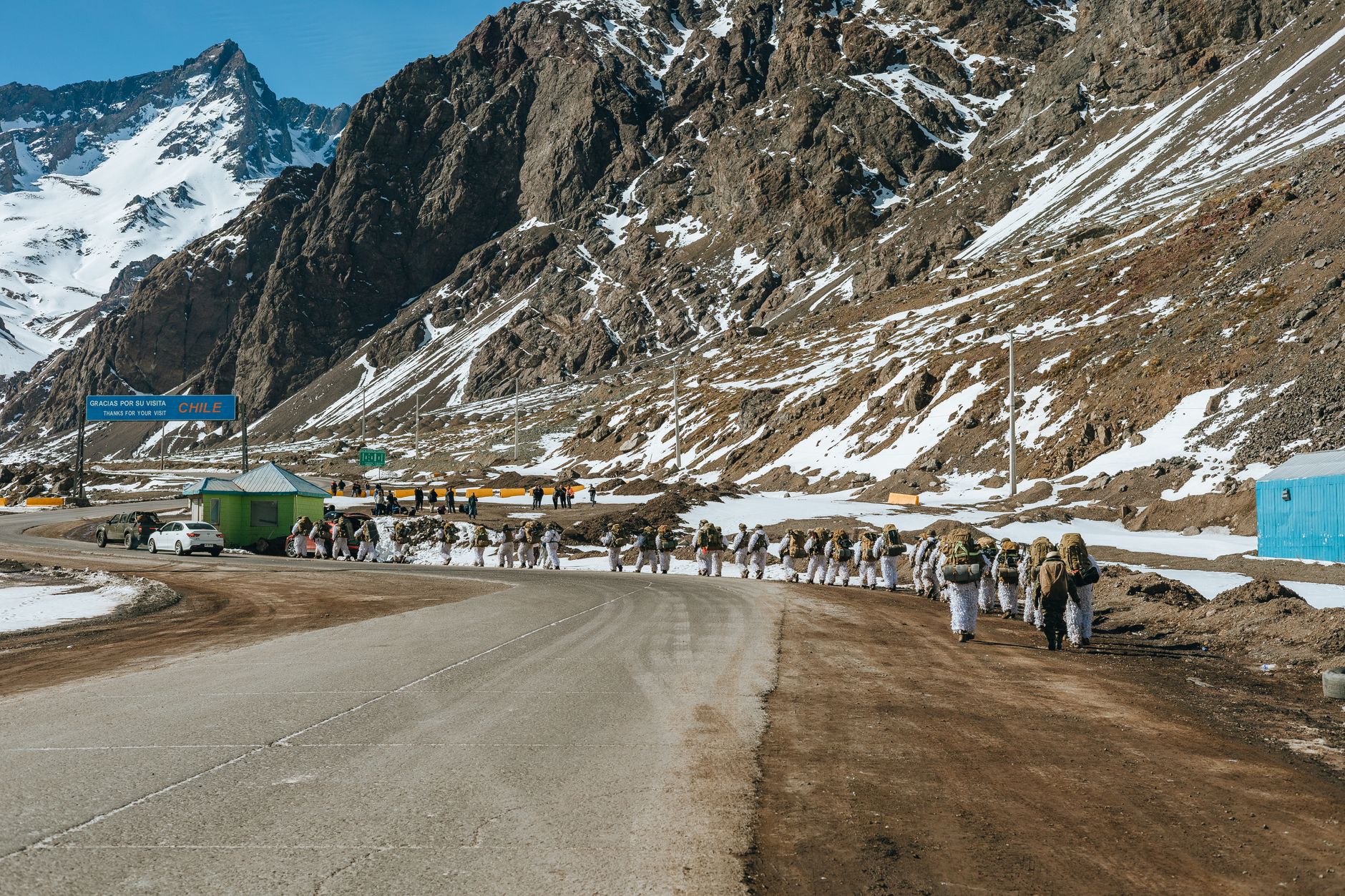
The creation of the Shaurya units is inspired by the Indian Army’s Ghatak platoons, focusing on mountain warfare and high-altitude operations. These commandos undergo rigorous training in mountaineering, advanced weaponry, drone operations, and unarmed combat. In March 2026, the Shaurya platoons participated in joint training exercises with the Indian Army’s Fire and Fury Corps, ensuring they are well-prepared for the extreme cold, thin air, and difficult terrain that define the border regions.
The ITBP, originally formed in October 1962 following the India-China war, has increasingly integrated modern technology to support its border-guarding mandate. Beyond the creation of these specialized combat units, the force has established drone platoons across all its border-guarding battalions. Additionally, the ITBP is working on developing underground shelters at various border outposts to mitigate infrastructure vulnerability and enhance the protection of its personnel stationed in remote, high-altitude environments.
The significance of these specialised units is rooted in the lessons learned from the 2020 Galwan Valley clash in eastern Ladakh. That violent confrontation served as a turning point, highlighting the dangers of direct troop contact along a boundary where perceptions of the LAC often differ. Since then, the focus has shifted toward improved training, better equipment, and strengthened forward infrastructure to manage contingencies effectively.
Recent months have seen continued friction in areas such as Taksing, with reports of face-offs emerging near Maja as recently as July. Despite a Corps Commander-level meeting held on September 6 at the Wacha-Damai border meeting point in Arunachal Pradesh, the situation in several sectors has not been fully resolved. The deployment of the Shaurya commandos is central to India's strategy for maintaining a robust response to these persistent border tensions.
As the standoff continues, the ITBP remains committed to modernising its approach. The integration of the Shaurya commandos, alongside enhanced surveillance and infrastructure, reflects a broader effort to ensure that the force can handle the complex realities of patrolling a contested frontier. For now, the specialised units remain a critical asset in the ongoing efforts to manage interactions with Chinese forces along the Arunachal Pradesh sector.








Comments