


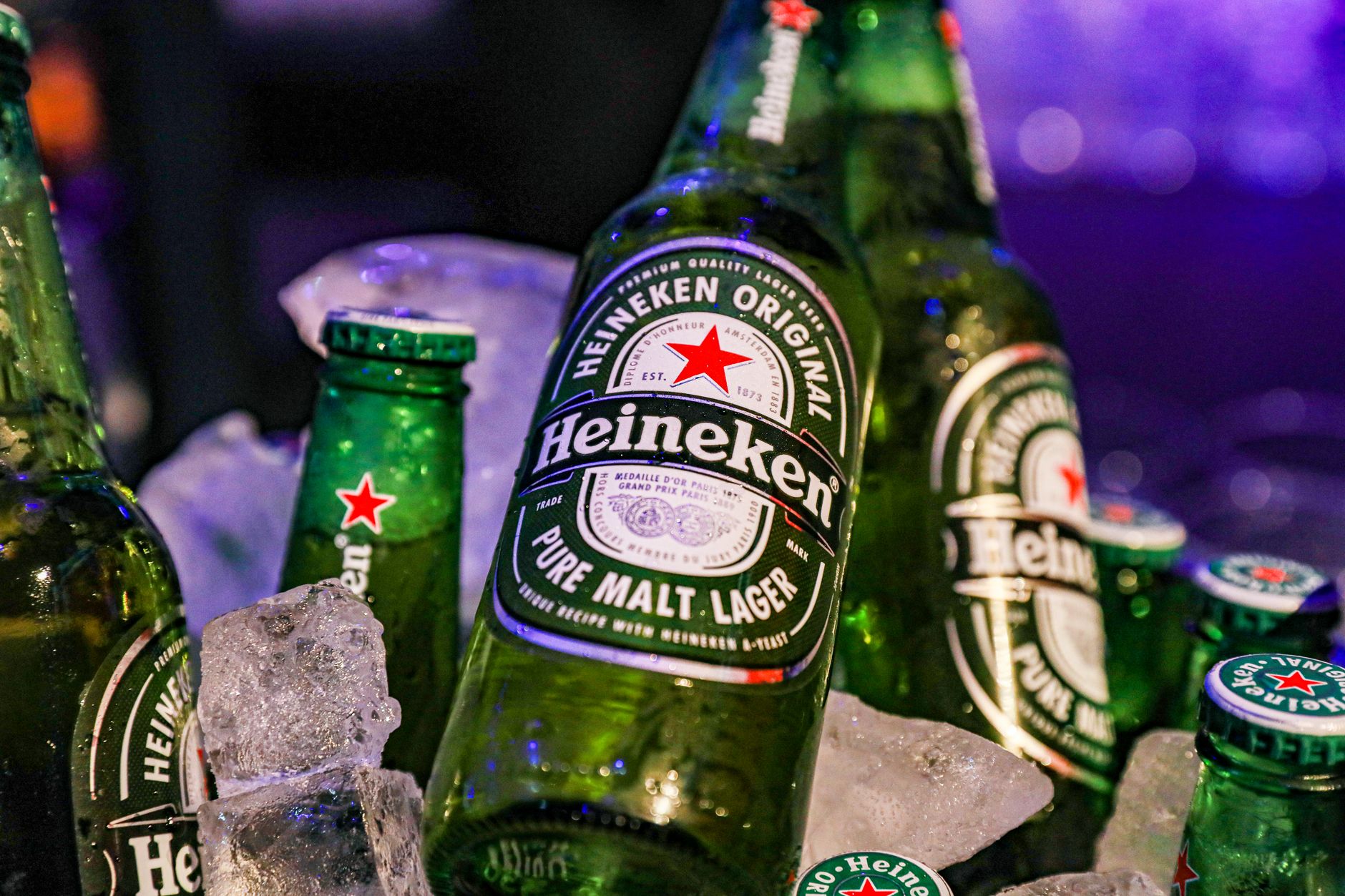
Heineken, the world’s second-largest brewer, has issued a warning to its British hospitality partners regarding the growing impact of GLP-1 weight-loss medications on consumer alcohol intake. In a presentation shared with pub and bar operators this month, the company acknowledged that the popularity of drugs like Novo Nordisk’s Ozempic and Wegovy poses a tangible risk to traditional beer and cider sales.
The brewer noted that these medications can lead to a reduced desire for alcohol and create a sense of fullness that discourages the traditional multi-pint drinking sessions common in British venues. As usage of these drugs becomes more mainstream, Heineken cautioned that businesses failing to adapt their service models risk a decline in both customer visits and overall expenditure.
To mitigate these potential losses, the presentation advises hospitality operators to shift their strategy by promoting half-pint servings and low- or no-alcohol beverages. Furthermore, the company suggests that venues pair drinks with small food plates to better cater to a customer base that is increasingly opting for smaller serves and more premium products, rather than abandoning alcohol entirely.
The impact of GLP-1 drugs, which saw approximately 10 million users in the United States last year according to JPMorgan research, is rippling through the broader consumer goods sector. Beyond alcohol, the trend has affected demand for snacks and sweets, while increasing the need for products designed to counter medication side effects. While alcohol companies have often downplayed these threats, emerging data suggests a measurable shift in spending patterns.
Market research firm Circana found that US households with at least one GLP-1 user reduced their alcohol spending by roughly 7% monthly after two years on the medication compared to non-user households. Beer expenditure within that cohort specifically dropped by approximately 13.5%. Similar trends have been observed in European and UK studies by firms such as NIQ and KAM, suggesting that the behavioral changes are consistent across different markets.
From a clinical perspective, experts suggest the medication's impact may go beyond physical fullness. Professor Joseph Schacht of the University of Colorado Anschutz, who has conducted research on GLP-1s and alcohol use disorder, noted that the drugs may alter brain chemistry, potentially reducing the motivation to drink. He described the development as a possible 'Prozac moment' for treating alcohol use disorders, though this also presents a long-term commercial challenge for the beverage industry.
For its part, Heineken stated that the recent presentation was part of its regular engagement with the UK hospitality sector to help businesses navigate an evolving market. The brewer maintained that its current portfolio is well-positioned to meet shifting consumer demands. Meanwhile, other major industry players have adopted varied stances; Diageo has told investors the impact remains manageable, while Carlsberg noted that current data is not yet definitive enough to clearly link the drugs to long-term beer consumption trends.
The issue remains critical for the industry, as beer sales in British pubs, bars, and restaurants generated nearly £14 billion in the year leading to February 2026. With only a small fraction of that revenue coming from low- and no-alcohol beer, Heineken is closely monitoring how these consumption behaviors evolve through 2027 to ensure it retains its foothold in the market.








Comments