


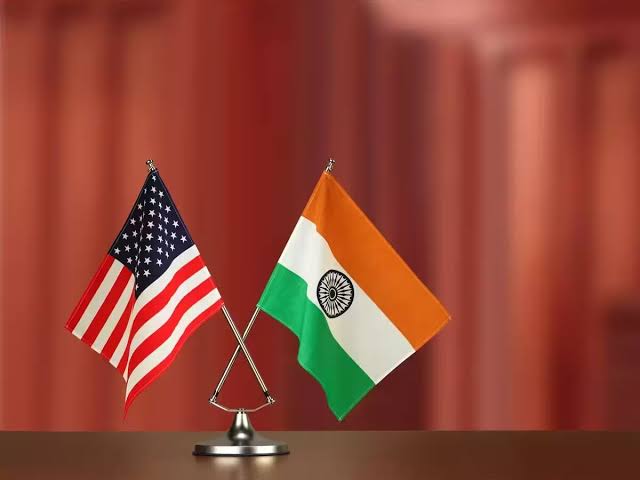
India and the United States are moving toward finalizing a significant bilateral trade deal, though government officials have cautioned that the concluding stages of the negotiation process continue to present specific challenges. External Affairs Minister S Jaishankar, speaking at the NDTV World Summit in New Delhi on Thursday, noted that while both nations are on the cusp of an agreement, there is still work to be done by the respective negotiating teams.
“It's never done till it's done,” Jaishankar remarked during the summit. He added that the penultimate stages of such agreements often involve complex hurdles, confirming that Commerce Minister Piyush Goyal and US Secretary of State Marco Rubio have both indicated that the pact is nearing completion. While officials confirmed that progress is being made, the specific issues remaining on the negotiating table were not disclosed, with Jaishankar stating those details are for the dedicated teams to address.
US President Donald Trump has publicly described the agreement as “pretty close,” a sentiment echoed by Secretary of State Rubio following his recent visit to Mumbai. Rubio noted that the two countries have reached a point where only a small number of items remain to be resolved before an official agreement can be executed. Both sides have expressed hope that the remaining issues will be cleared soon, potentially allowing for a formal signing by the leaders of both nations.
The current trade discussions follow over a year of negotiations between the two countries. The scope of these talks is comprehensive, covering major economic pillars such as market access, tariffs, industrial goods, agricultural commodities, and various regulatory barriers. These efforts are part of a broader push to strengthen the economic partnership between New Delhi and Washington, which already encompasses cooperation in technology, defence, and people-to-people exchanges.
Beyond the trade agreement, the dialogue between the two nations has focused on the necessity of diversifying trade and energy portfolios in an increasingly volatile global environment. Jaishankar emphasized that in a world marked by unpredictability, geopolitical conflicts, and fluctuating energy supplies, nations can no longer take economic stability for granted. He urged businesses and governments to build resilient strategies rather than relying on a single source for essential goods and energy.
During his recent visit, Secretary of State Rubio specifically addressed India’s energy strategy, noting that the United States is supportive of India’s efforts to diversify its energy sources. While the discussions touched upon India's historical purchase of Russian crude, Rubio acknowledged that transitioning energy portfolios is a complex, gradual process. He highlighted that the US is well-positioned to supply a portion of India’s energy demand, thereby helping the country broaden its supply chains.
The US State Department confirmed that the recent meetings in Mumbai between Jaishankar and Rubio also covered wider regional and global developments, including the situation in West Asia. US Ambassador to India Sergio Gor described the talks as productive, emphasizing that the focus remained on expanding security, commerce, and advanced technological collaboration. As the final details of the trade deal are ironed out, both governments appear committed to deepening their strategic and economic ties to meet the demands of their respective populations.








Comments