


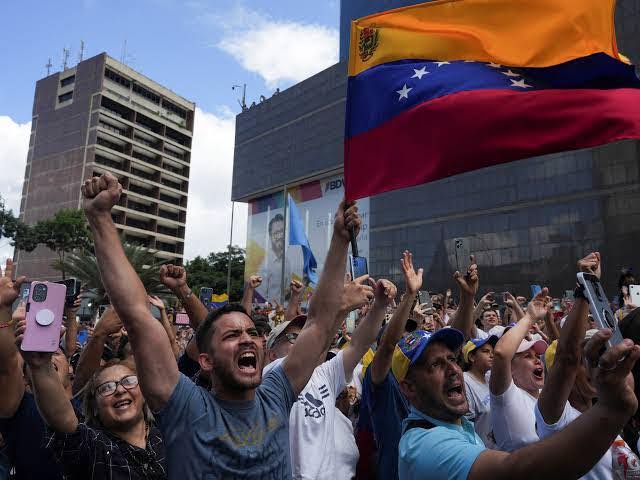
Thousands of Venezuelans took to the streets on October 22, 2026, in the first nationwide opposition protest held in nearly two years. Demonstrators across the country, including in Caracas, Valencia, Maracay, San Cristobal, and Maracaibo, gathered to demand free elections and broader political reforms. The demonstrations saw a notably limited presence of security forces compared to previous years, and many participants in smaller cities dispersed peacefully before nightfall.
The protests were organized by the Vente Venezuela movement, led by Nobel Peace Prize winner Maria Corina Machado. Although Machado has been in exile for nearly a year following a period in hiding after the contested 2024 election, her influence remains central to the opposition’s push for a democratic transition. During the demonstrations, supporters voiced their desire for immediate clarity on the nation's electoral calendar. Many expressed frustration over the country’s ongoing economic instability, citing difficulties with public services, inflation, and daily living costs.
Maria Debora Marin, a 57-year-old business owner in Valencia, emphasized the urgency felt by many protesters regarding the potential timeline for future polls. Participants stated they were not willing to wait until 2028, with many echoing the stance of Machado, who has explicitly called for elections to be held by July 2027. This push for a fixed schedule comes amid persistent rumors that the government might delay national voting processes until the following year.
The political climate in Venezuela remains complex, characterized by ongoing U.S.-backed negotiations between an opposition faction and the interim government led by acting President Delcy Rodriguez. These talks, which do not include Machado’s movement, are focused on restructuring the electoral council and the supreme court to ensure future fairness. However, participants in the protests maintained that progress has been slow, leaving many citizens in what some described as a state of political limbo.
Tensions have been high since the 2024 presidential election, where the opposition claimed a victory based on their own vote tallies, while the government-controlled institutions backed the continued tenure of the ruling party. The government, which has been in power since 1999, did not release full official vote counts. The current interim government has been working with the United States following the capture of former President Nicolas Maduro in January, with U.S. President Donald Trump and acting President Rodriguez acknowledging the need for future elections without yet committing to a specific date.
The ruling Socialist Party attempted to counter the opposition's visibility on Thursday by calling for its own march in Caracas. Supporters of the government gathered near Plaza Venezuela to mark Breast Cancer Awareness Month, with Interior Minister Diosdado Cabello observed attending the rally on state television. Despite the proximity of the two groups, the demonstrations remained largely separated, avoiding the direct confrontations that have defined past protests in the economically struggling nation.
As the country looks toward the future, the path forward remains uncertain. Machado has expressed that she will not obstruct the ongoing negotiations, even as she continues to advocate for a return to her home country. With the interim administration managing relations with foreign investors and U.S. officials, the demand for a clear electoral path from the citizenry represents a significant pressure point for the government as it navigates both domestic dissent and international scrutiny.








Comments