


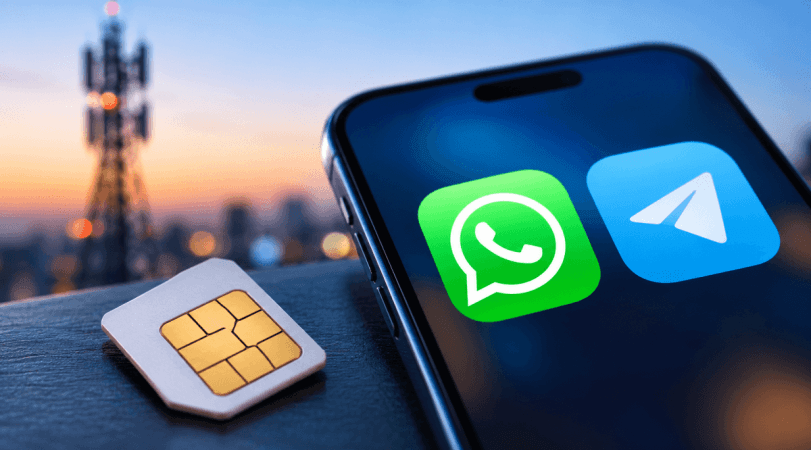
Starting January 1, 2027, users of popular messaging platforms in India will face new operational requirements as the government enforces strict SIM-binding guidelines. The Department of Telecommunications (DoT) has issued directives requiring platforms such as WhatsApp, Telegram, Snapchat, Arattai, Sharechat, Jiochat, and Signal to integrate their accounts with the specific, active SIM cards used during initial registration. This move is designed to enhance telecom cyber security and mitigate the rising incidents of cross-border cyber frauds, including phishing attacks and sophisticated "digital arrest" scams.
Under the new regulatory framework, messaging apps must ensure their services remain continuously linked to the SIM card associated with the user’s mobile number. If a user removes, replaces, or deactivates the SIM card, the application’s functionality will be suspended until a valid, active SIM is reinserted into the device. This policy aims to close technical loopholes that previously allowed users to access communication services without the underlying subscriber identity module (SIM) present in the smartphone.
Government officials noted that the previous inability to verify the presence of a physical SIM allowed bad actors to exploit Indian mobile numbers for criminal activities from outside the country. By mandating this link, the DoT seeks to ensure that communication services are tied to a verifiable, physical identity. The guidelines also stipulate that web-based versions of these mobile applications must undergo periodic log-outs—no later than six hours—and provide users with a secure method to re-link their devices using a QR code, ensuring consistent authentication.
The impact of this policy will be significant for users who rely on messaging apps via Wi-Fi networks without an active SIM card inserted in their handsets. Furthermore, individuals who manage multiple devices or frequently swap their SIM cards will need to adjust their usage patterns to remain compliant with the updated standards. Tech companies are currently responding to these requirements, with Apple already deploying a software patch in its iOS update to help detect when an iPhone is operating without a physical SIM card, thereby aligning with the new government mandate.
The push for these measures follows persistent concerns raised by various government agencies regarding the misuse of communication platforms. Last November, the DoT formally identified that some app-based services allowed users to consume services while bypassing the physical SIM requirement, creating an environment susceptible to fraudulent activity. Consequently, the government invoked the Telecom Cyber Security (TCS) Rules, 2024, to mandate these changes across the industry.
While many platforms are working toward compliance, the status of specific providers remains under observation. It has been reported that Signal has not yet responded to government notices regarding these mandatory integrations. As the December 31, 2026, deadline approaches, all affected communication service providers are expected to finalize their technical adjustments to ensure their services comply with the new "SIM-binding" protocols.
As India moves toward this new digital security landscape, the government remains focused on closing the gaps that have previously facilitated digital crimes. The measure is part of a broader effort to secure the nation’s telecom infrastructure and protect citizens from increasing cyber threats. Users are encouraged to ensure their mobile configurations are updated to maintain uninterrupted access to their messaging services once the new regulations officially take effect at the start of the coming year.







Comments