


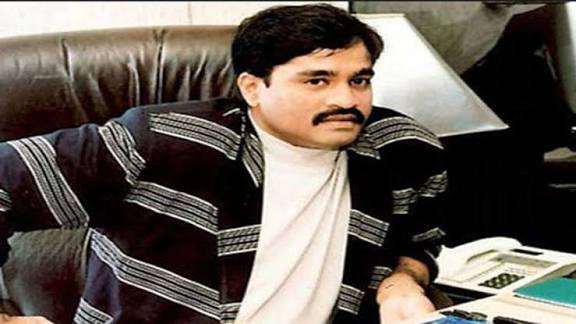
India has formally challenged a recent United Nations report, taking strong exception to the document's characterization of Dawood Ibrahim’s criminal network, the 'D-Company,' as an India-based organization. The objection was raised by Raghoo Puri, the First Secretary in India’s Permanent Mission to the UN, during a response to a report authored by Ben Saul, the UN Special Rapporteur on the ‘Promotion and Protection of Human Rights and Fundamental Freedoms while Countering Terrorism’.
During his address, Puri pointed to what he described as "glaring inaccuracies" within the document. He emphasized that the report incorrectly identified the D-Company as an "India-based" entity when discussing its listing under the UN Security Council’s 1267 sanctions regime in 2003. According to the Indian official, this framing fails to reflect the reality of the situation and creates a misleading narrative for member states.
"Let me correct it for the record. This individual fled India much before the 2003 listing, and it was during this period... that he was listed for being associated with Al Qaida and with Osama bin Laden," Puri stated. He further noted that Dawood Ibrahim remains a wanted criminal in India. Crucially, the Indian diplomat highlighted that the UN listing itself indicates the fugitive resides in the same country where Al-Qaeda leader Osama bin Laden was eventually found and killed—a clear reference to Pakistan. Bin Laden was killed by US Navy Seals in the Pakistani town of Abbottabad in 2011.
Puri expressed frustration over the lack of accountability for UN special mandate holders who release reports containing significant factual errors. He argued that the current situation presents member states with a "fait accompli," describing it as an "unfortunate situation for an organisation already facing challenges to its legitimacy." He warned that such incompetence causes "tremendous harm" to the global institution.
The Indian delegation reiterated that the group and its leader are subjects of ongoing criminal investigations in India, specifically regarding their role in the 1993 Mumbai blasts. Puri suggested that the report's failure to contextually mention the timeline of the individual's flight from India and his subsequent listing as an associate of international terror outfits was a regrettable omission.
This is not the first time India has raised concerns regarding the accuracy of reports emerging from various UN forums. The government has consistently sought to ensure that international documentation accurately reflects the origins and current whereabouts of individuals sanctioned for their ties to global terrorism. By challenging the label in this instance, India has sought to prevent the institutionalization of incorrect information regarding its internal security challenges.
Moving forward, the incident highlights a growing friction between New Delhi and certain UN mandate holders over the quality of research and verification processes. India continues to emphasize the necessity for greater diligence and accountability within these reporting structures to maintain the credibility of international counter-terrorism efforts. The incident serves as a reminder of the sensitivity surrounding the global tracking of sanctioned individuals and the importance of precise geographical and historical context in UN discourse.







Comments