


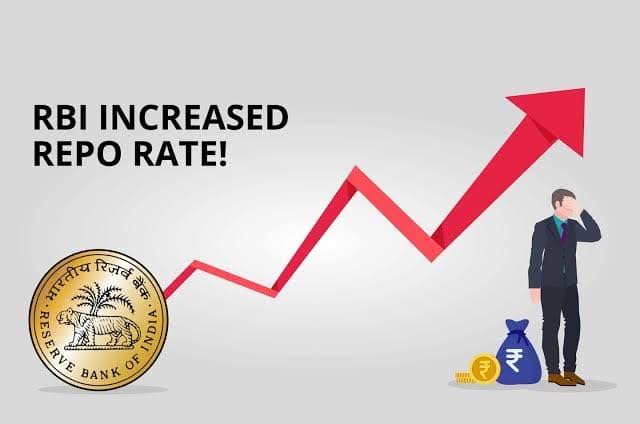
India’s monetary policy landscape faces a period of tightening as market participants and economists anticipate further increases to the repo rate. Following the Reserve Bank of India’s (RBI) decision in October to raise the repo rate by 25 basis points—marking the first increase in four years to reach 5.50%—expectations are mounting for additional hikes in the coming months. Analysts suggest the rate could climb as high as 6.25% during the current cycle.
The shift in policy expectations follows the release of the minutes from the October Monetary Policy Committee (MPC) meeting. The document reflected significant concerns among policymakers regarding broadening inflation risks, particularly those stemming from stubborn motor-fuel prices. A basis point is defined as one-hundredth of a percentage point, and market watchers are now closely monitoring these metrics to gauge the pace of the central bank's tightening trajectory.
Current projections from several financial institutions indicate a high probability of 25-basis-point increases during each of the next two scheduled reviews in December and February. Some analysts have not ruled out a further 25-basis-point increase in April, provided that global crude oil prices remain persistently above the $100 mark. India, being a net importer of crude oil, remains particularly vulnerable to price volatility in the energy sector.
Barclays stated in a note that the probability of a consecutive hike in December has increased following the publication of the MPC minutes. The firm revised its terminal rate forecast for this cycle to 6%, characterizing the anticipated tightening as a relatively shallow cycle. Meanwhile, the State Bank of India has suggested that peak inflation for November would remain below 6.5%. The bank noted the possibility of a 50-basis-point rate adjustment in December, which could be implemented through a standard repo rate hike or an asymmetric widening of the Liquidity Adjustment Facility (LAF) corridor.
The RBI had previously projected crude oil prices at $95 per barrel for the second half of the financial year, an upward revision from its earlier estimate of $85 per barrel. However, actual market prices have trended higher, reaching levels between $105 and $110. This disparity has become a focal point for inflation concerns, as higher energy costs often permeate the broader economy through increased logistics and production expenses.
Despite these pressures, some optimism remains regarding the long-term inflation trajectory. Some market experts anticipate that fuel prices may cool and that retail inflation could show signs of softening in the next fiscal year. Furthermore, analysis suggests that second-round price effects—where temporary spikes in specific commodities lead to more permanent wage and price increases—remain relatively contained. Barclays indicated that its core Consumer Price Index (CPI) forecast stands at 4.2%, which is lower than the 4.4% projection cited by the MPC.
Moving forward, the extent of the interest rate hike cycle will remain contingent on the evolving growth and inflation outlook. As the Reserve Bank of India continues to weigh these domestic and international variables, the focus for investors and policy watchers will be on upcoming data releases and the central bank's communication in its December and February policy statements.







Comments