


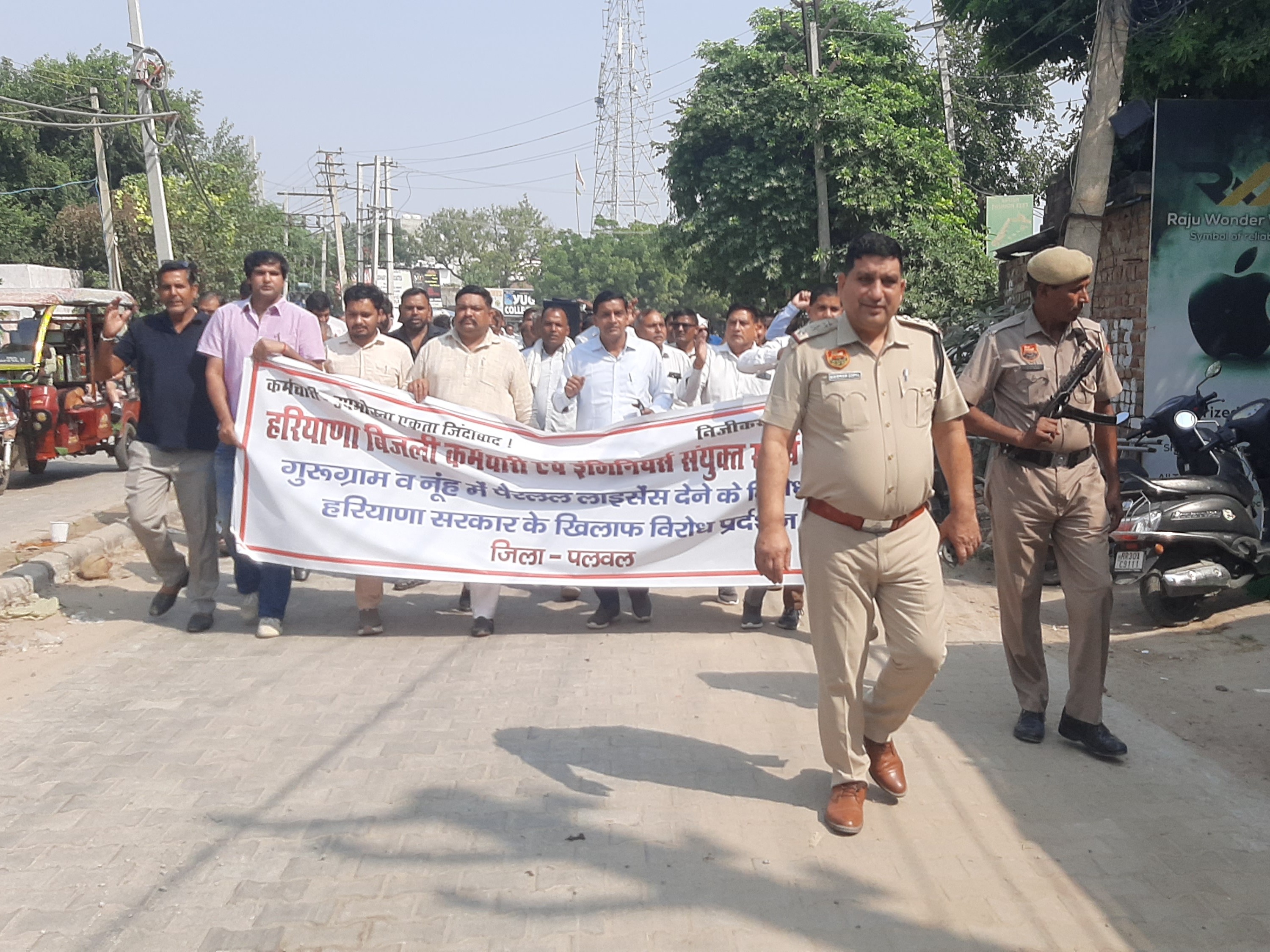
Residents and industrial units in Gurugram, Faridabad, and Nuh are grappling with acute power and water shortages following a strike launched by employees of the Dakshin Haryana Bijli Vitran Nigam (DHBVN). The protest, which began at 10 pm on Wednesday, has resulted in massive service disruptions across the three districts. By Thursday, authorities reported that more than 3,000 electricity-related complaints had been lodged in Gurugram alone within the first twelve hours of the agitation.
The ongoing unrest is driven by the employees' staunch opposition to a recent decision by the Haryana Electricity Regulatory Commission (HERC). The commission granted a parallel electricity distribution licence to a private company, Eleven Power, allowing it to operate in Gurugram and Nuh for the next 25 years. Fearing the implications of this privatisation move, power department workers initiated a three-day protest that is scheduled to continue until October 25.
The impact of the strike has been felt across multiple sectors, with residential colonies and industrial hubs reporting significant losses. In Gurugram, factories in areas such as Daulatabad, Kadipur, and Sector 37 have seen production grind to a halt. Entrepreneurs, including local industrialist Maini, have reported that machinery in hundreds of units has been silenced by the lack of electricity, creating a heightened risk of financial loss for the manufacturing sector.
Residential areas are similarly affected, with many households relying on backup inverters that have since run out of power. The power cuts have triggered a secondary crisis involving water supply, as the operation of pumping stations depends on a steady flow of electricity. Residents have expressed frustration over the lack of basic utilities, with some noting they are currently relying on water stored in reserve tanks that will soon run dry. Some citizens have criticised the government for failing to bridge the gap between the administration and the striking workforce.
Chief Minister Nayab Singh Saini has acknowledged the severity of the situation and the concerns of the employees. On Wednesday, he stated that the state government intends to represent the workers' interests before the Appellate Tribunal for Electricity (APTEL) to challenge the HERC order. Furthermore, the Chief Minister has offered to provide legal counsel trusted by the unions to assist in the proceedings. Saini also convened a review meeting with administrative secretaries to assess the state’s preparedness to handle the consequences of the three-day strike.
The protest has garnered support from a broad coalition of labour and agricultural organisations. Major groups including the Samyukt Kisan Morcha, the Sarv Karamchari Sangh Haryana, and trade unions such as CITU, AITUC, and INTUC have joined the agitation in solidarity. Senior leaders within the energy sector, including Subhash Lamba of the Electricity Employees Federation of India and Shailendra Dubey of the All India Power Engineers Federation, have also formally voiced their opposition to the HERC licensing decision.
As the situation remains volatile, residents in cities like Faridabad have begun taking to the streets to demand the immediate restoration of services. While the government attempts to navigate the legal challenges regarding the HERC mandate, the immediate future for citizens in the affected districts remains uncertain, with essential services tethered to the outcome of the ongoing industrial action and high-level negotiations.







Comments