


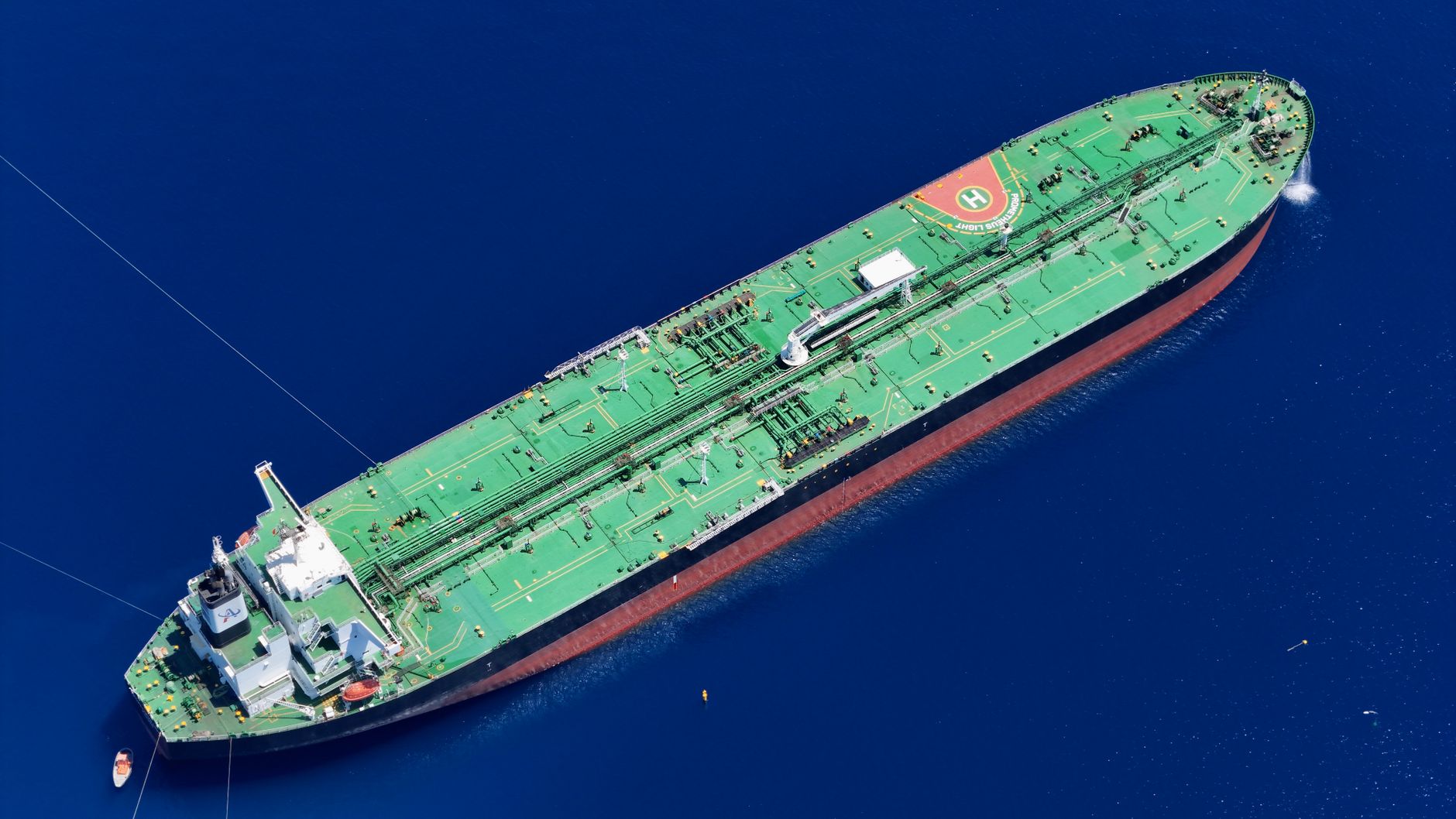
Russia is scheduled to dispatch its first tanker containing diesel fuel to the United States on Thursday, according to statements made by Deputy Prime Minister Alexander Novak. The announcement was first reported by the Vedomosti news outlet, confirming that the shipment follows a diplomatic arrangement reached with US President Donald Trump. This development marks a notable change in energy trade patterns following recent disruptions to the Russian domestic fuel supply.
The decision to resume international diesel shipments comes shortly after Russia lifted its self-imposed ban on such exports on October 9. The government had implemented the restriction to address significant domestic shortages that were primarily triggered by Ukrainian drone strikes on various oil refineries across the country. By stabilizing local supplies, the Russian administration sought to manage the immediate impact of the infrastructure attacks before considering a return to global markets.
Deputy Prime Minister Novak confirmed on Wednesday that the vessel is prepared to transport 40,000 metric tons of diesel fuel. He further stated that the administrative paperwork required for this specific supply is nearing its final stages of completion. Despite the confirmation of the export, Russian officials have not yet disclosed the specific port from which the tanker is slated to depart.
The move to supply the United States with Russian diesel is being viewed within the broader context of existing global energy market flows. Currently, the United States is an exporter of diesel, moving approximately 1.5 million barrels of the fuel per day. The sudden infusion of Russian cargo into the broader global market follows the bilateral deal brokered with President Trump, intended to stabilize supply chains that have been under strain due to the ongoing conflict in the region.
For the Russian energy sector, this export represents a strategic effort to regain its position as a supplier to global markets while domestic refinery operations continue to recover from the impact of the war. The necessity of the export ban highlighted the vulnerability of critical infrastructure to drone attacks, which had compelled the government to prioritize local demand over international commitments throughout much of the recent period.
As the vessel prepares to set sail, industry analysts are monitoring how these volumes will integrate into the existing US and global supply chain. While the initial shipment is specific in its volume of 40,000 metric tons, it remains unclear whether this marks the beginning of a sustained trade relationship or a one-off response to the deal reached by the two leaders. The government has maintained a cautious tone, focusing on the completion of necessary documentation and the technical aspects of the dispatch.
Looking ahead, the stability of Russian diesel production will largely depend on the continued protection of refinery assets against further external attacks. Should the domestic supply remain secure, Russia may look to further expand its export footprint, potentially impacting market prices and regional trade dynamics. For now, all attention remains on the port departure and the successful arrival of this first cargo, which serves as a significant marker in the ongoing energy-related negotiations between the two nations.







Comments