


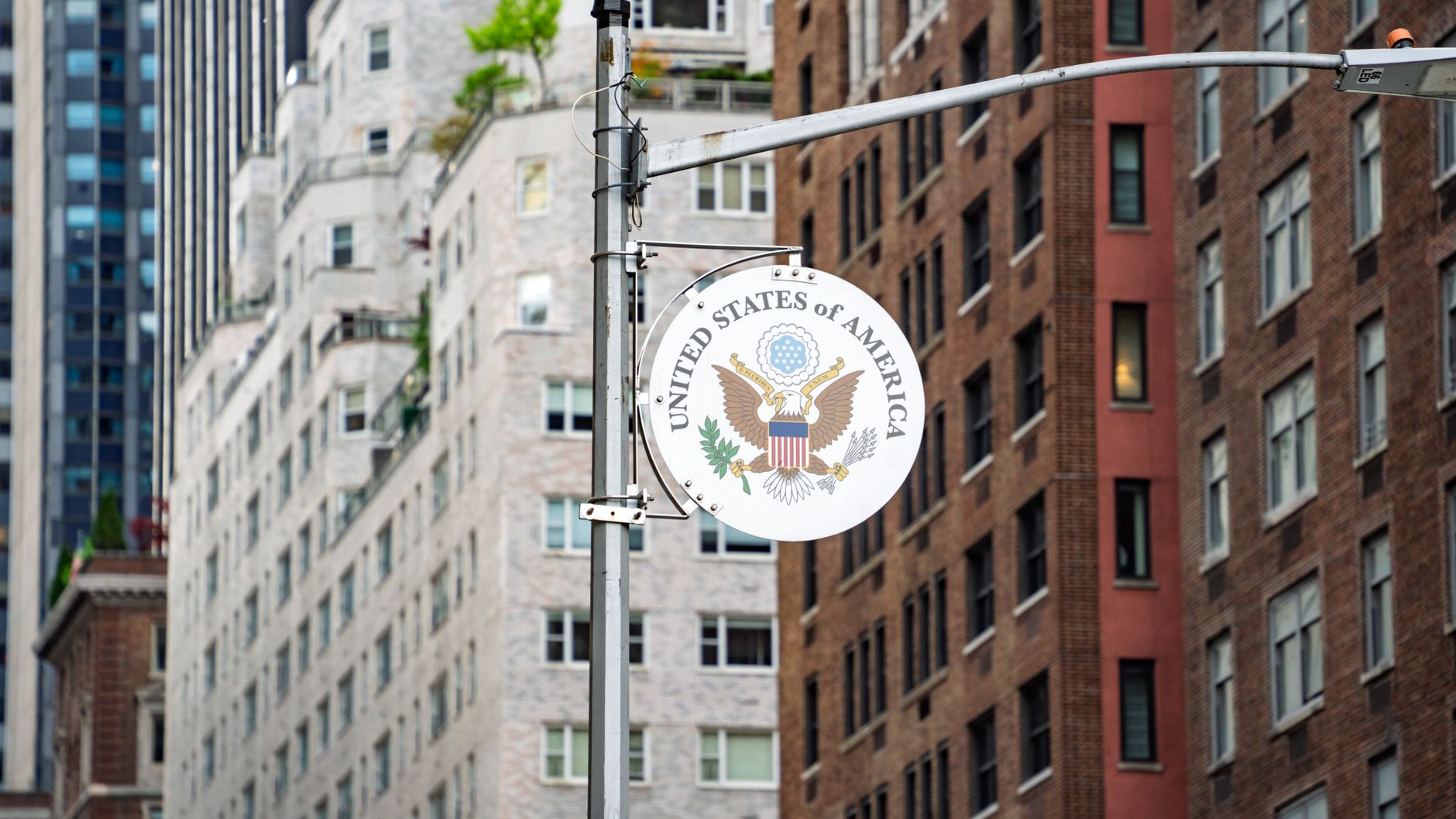
The United States government has issued an order for non-essential staff at its embassy in Saudi Arabia, along with their family members, to leave the country. The directive comes as the kingdom faces an intensifying series of attacks from the Iran-backed Houthi movement, which has increasingly targeted civilian and industrial infrastructure in the region.
US State Department spokesman Tommy Pigott confirmed the evacuation order in a social media statement on Wednesday. Pigott clarified that the mandate specifically applies to non-emergency government employees and their families currently stationed in Saudi Arabia. He noted that the decision was driven by the necessity to ensure the safety and security of Department of State personnel amidst the ongoing escalation in the conflict.
Recent weeks have seen Saudi Arabia subjected to nearly daily strikes. Among the most significant incidents was an attack on Riyadh’s international airport, which officials described as the kingdom's deadliest in several years. Further highlighting the severity of the situation, the Saudi energy ministry reported that debris from an intercepted drone, which had targeted an oil facility, resulted in fatalities and injuries on Wednesday. The ministry confirmed that two individuals—a Filipino and a Nepali national—were killed, while two others sustained injuries during the incident near the Shaybah oil field.
The Saudi-led coalition in Yemen, which has been involved in the civil war since 2015 to support the internationally recognized government, reported intercepting six additional drones on the same day. These regional tensions have been exacerbated by the collapse of a four-year-old truce in June, which has effectively reignited a civil war that has been ongoing since 2014.
This latest security directive follows a period of heightened regional volatility involving Iran. In a separate development on Wednesday, Iranian state media reported the sound of multiple explosions in the southern Hormozgan province, situated near the strategic Strait of Hormuz. While the nature of these explosions remained unconfirmed by local sources, the region has been a focal point of maritime tensions. In response to Iran’s attempts to blockade the waterway, which serves as a critical conduit for global oil supplies, the United States has enforced a counter-blockade on Iranian ports and vessels.
The broader conflict in the region escalated significantly late in February, when the United States and Israel launched a series of strikes against Iran. That military action resulted in the deaths of Iran’s supreme leader and several senior military commanders, fundamentally altering the diplomatic and security landscape of the Middle East.
The US government has previously adjusted its diplomatic posture in the region during moments of acute crisis. Prior to the current situation, non-essential staff were ordered to depart the Gulf during the early stages of the conflict and again in July, prior to a planned but subsequently canceled series of US strikes. As the regional security environment continues to evolve, the State Department maintains that protecting its diplomats and their families remains its highest operational priority.








Comments