


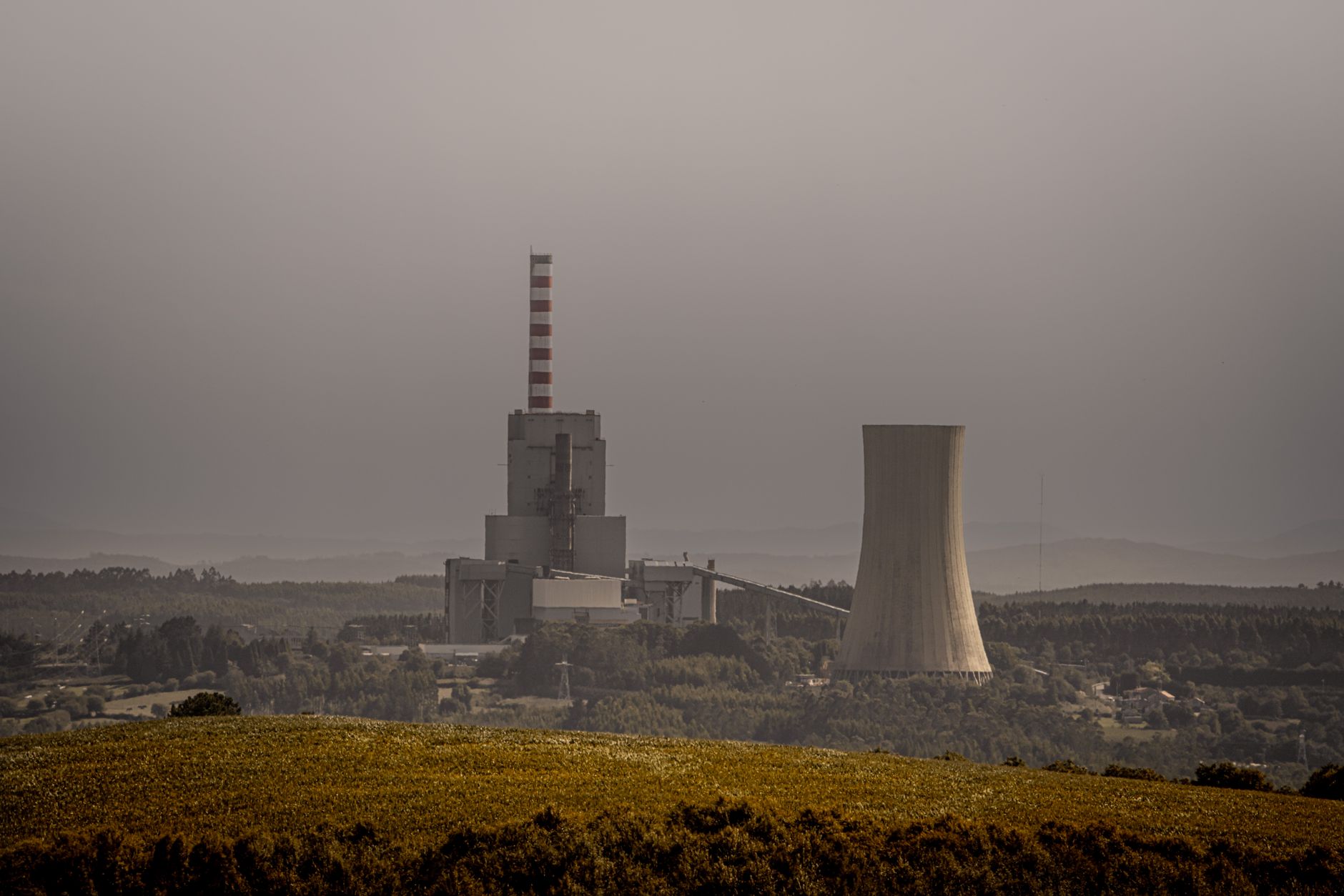
India’s power sector is currently navigating a significant fuel supply challenge as coal-fired plants struggle to maintain adequate reserves. According to data released by the Central Electricity Authority (CEA), the number of plants reporting critically low coal stocks has risen sharply, reaching 96 out of 191 as of October 19. This represents a notable increase from the 60 plants that reported similar shortages in mid-September, reflecting a tightening supply landscape across the country.
The current energy pressure is primarily attributed to a mismatch between supply and demand. Electricity consumption has surged due to persistently high temperatures, which have remained above the 30-year average despite the transition into cooler months. This sustained demand for cooling, alongside agricultural irrigation needs, has placed an immense burden on coal-fired generators. Simultaneously, weaker monsoon rains have significantly curtailed hydropower production, leaving coal as the primary fallback to ensure grid stability.
Data highlights the scale of this shift; in September, coal-fired power generation increased by 13.3% compared to the previous year, while hydropower output plummeted by 20%. During the same month, the gap between electricity demand and available supply reached 560 million kilowatt-hours (kWh), marking the largest deficit seen since August 2023. While non-fossil fuel sources now contribute approximately 55% of the nation’s power, the current lack of sufficient battery storage capacity makes coal-fired electricity indispensable during periods of peak consumption.
In response to the growing shortage, government strategy has shifted away from external procurement. A proposal that would have required power plants to blend imported coal with domestic supplies has been shelved. Reports indicate that high international benchmark thermal coal prices, combined with a depreciating rupee, have made imports increasingly expensive for the domestic sector. Instead, policymakers have directed state-owned Coal India Ltd to accelerate domestic production and urged the railway network to prioritize the efficient transit of fuel to power stations.
The Ministry of Coal has maintained that the situation is being managed through proactive intervention. Officials stated that daily coal supplies to the power sector rose by roughly 36% in October compared to the previous month. The ministry also clarified that the "critical stock" designation serves as a monitoring alert to facilitate the redirection of supplies to vulnerable plants, rather than an immediate indicator of operational shutdowns. Recent analysis suggests that while stocks remain near five-year lows, the pace of the daily decline has slowed significantly in October compared to the rapid depletion observed in September.
The government remains optimistic that the strain on the energy grid will ease as seasonal temperatures continue to decline. Nevertheless, until electricity demand stabilizes, the focus remains on enhancing logistics and ensuring that thermal stations receive a steady flow of domestic fuel. This approach aligns with broader efforts to maintain uninterrupted power generation while avoiding the financial implications associated with global coal imports.
As the nation prepares for the coming weeks, energy experts and policymakers are monitoring fuel reserves closely. With meteorological forecasts suggesting that temperatures will likely remain above long-term averages, the pressure on coal-fired infrastructure is expected to persist in the short term. The government’s ongoing coordination between the power, coal, and railway ministries aims to bridge the supply gap without necessitating emergency import measures.








Comments