


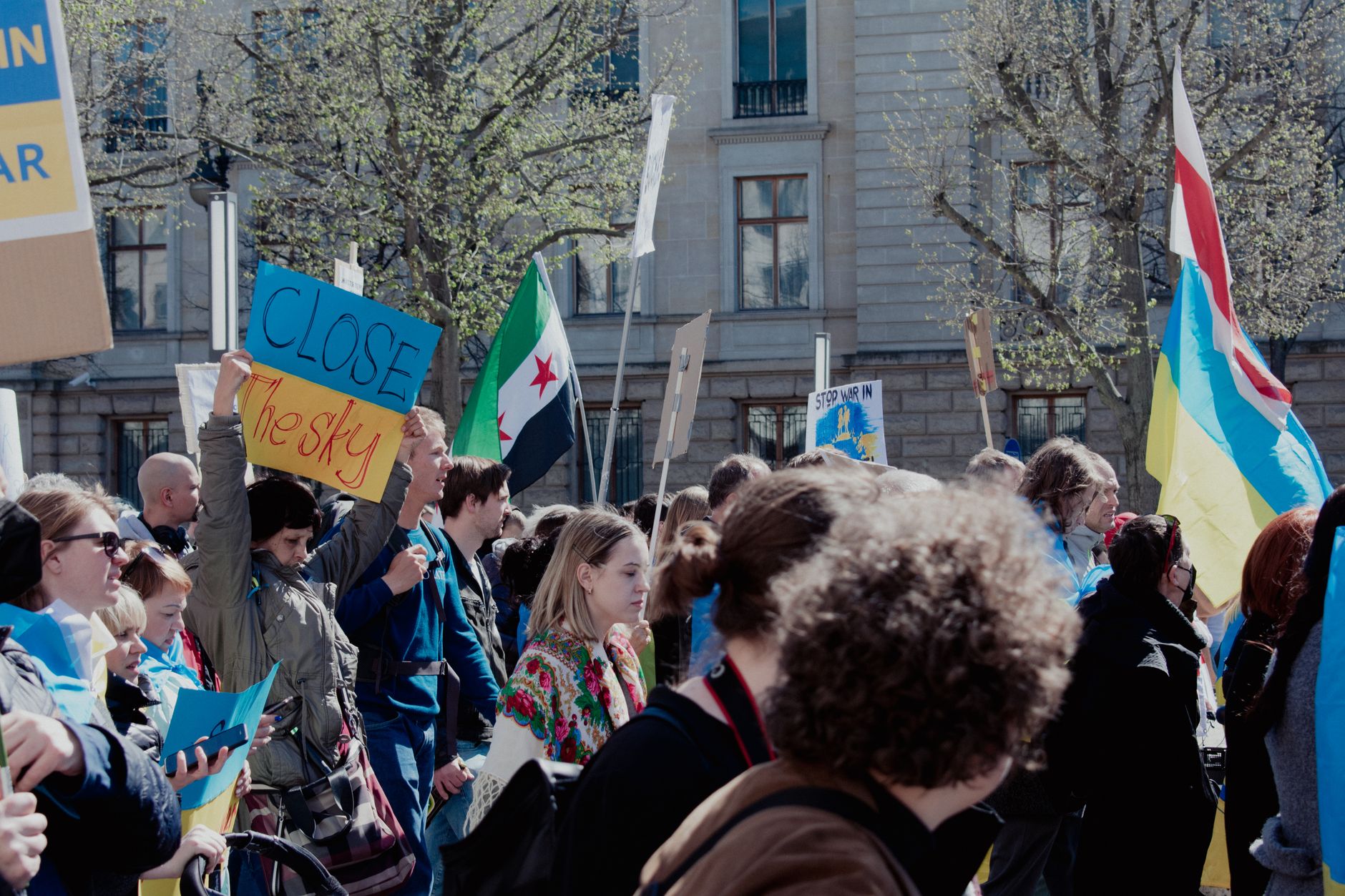
A cryptic slogan, “Bismillah, c’est les ténèbres,” has emerged as an improbable rallying cry among demonstrators in France, where hundreds of thousands of people have taken to the streets over the past month. The protests, which intensified over the weekend, draw together diverse groups demanding relief from the high cost of living, as well as students calling for significant educational reforms, including the reduction of overcrowded classrooms and the resolution of teacher shortages.
While the literal translation of the phrase—meaning “In the name of God, it’s the darkness”—appears nonsensical, it serves as a powerful instrument of satire. Students claim the expression originated from a leaked screenshot of a Snapchat conversation in early October, in which a user identified as Mamadou attempted to join a protest coordination group. In the message, the user combined Arabic terms with slang, including the phrase in question and emojis of Algerian flags.
Protesters assert that this message was an unconvincing attempt by undercover police officers to infiltrate their private communication channels. By adopting the phrase as a slogan, students are mocking what they describe as a stereotypical and out-of-touch approach by the authorities. While this claim regarding the police remains unverified and French authorities have not issued a formal statement, the phrase has resonated deeply across the movement as a symbol of institutional detachment.
Youssef El Chazli, an associate professor in Arab and Mediterranean sociology at Paris 8 University Vincennes – Saint-Denis, suggested that the slogan underscores a perceived divide between state agencies and younger generations. According to El Chazli, the use of such caricatures by law enforcement reinforces existing tensions, particularly among youths of Arab and African descent. He noted that the creativity of the protests reflects the influence of youth subcultures, where diverse cultural expressions have become mainstream through media and the arts.
The current unrest has also drawn scrutiny toward the conduct of the French police. The national police inspectorate, known as the IGPN, has launched dozens of investigations into allegations of police violence since the demonstrations began. These incidents have further fueled the movement, which now incorporates broader debates regarding systemic inequality and, increasingly, the role of Islamophobia in public discourse.
Public debate on Islamophobia has intensified as the protests continue. Recent data cited by Reuters indicated a 72 percent increase in Islamophobic acts during the first quarter of 2025 compared to the same period in 2024. Meanwhile, political rhetoric has exacerbated these divisions, with some far-right voices blaming Muslim youths for the violence. International attention has also been drawn to the situation, with United States President Donald Trump publicly claiming the unrest is linked to religious tensions.
The reach of the movement has extended beyond French borders, with similar demonstrations concerning education and inflation reported in Italy and Belgium over the weekend. As the situation evolves, the use of satirical memes and social media trends has become a primary tool for protestors to communicate their grievances. El Chazli noted that what might have been considered a non-subject two decades ago has now become a central point of national debate, signaling a shift in how younger generations engage with political issues and state authority.








Comments