


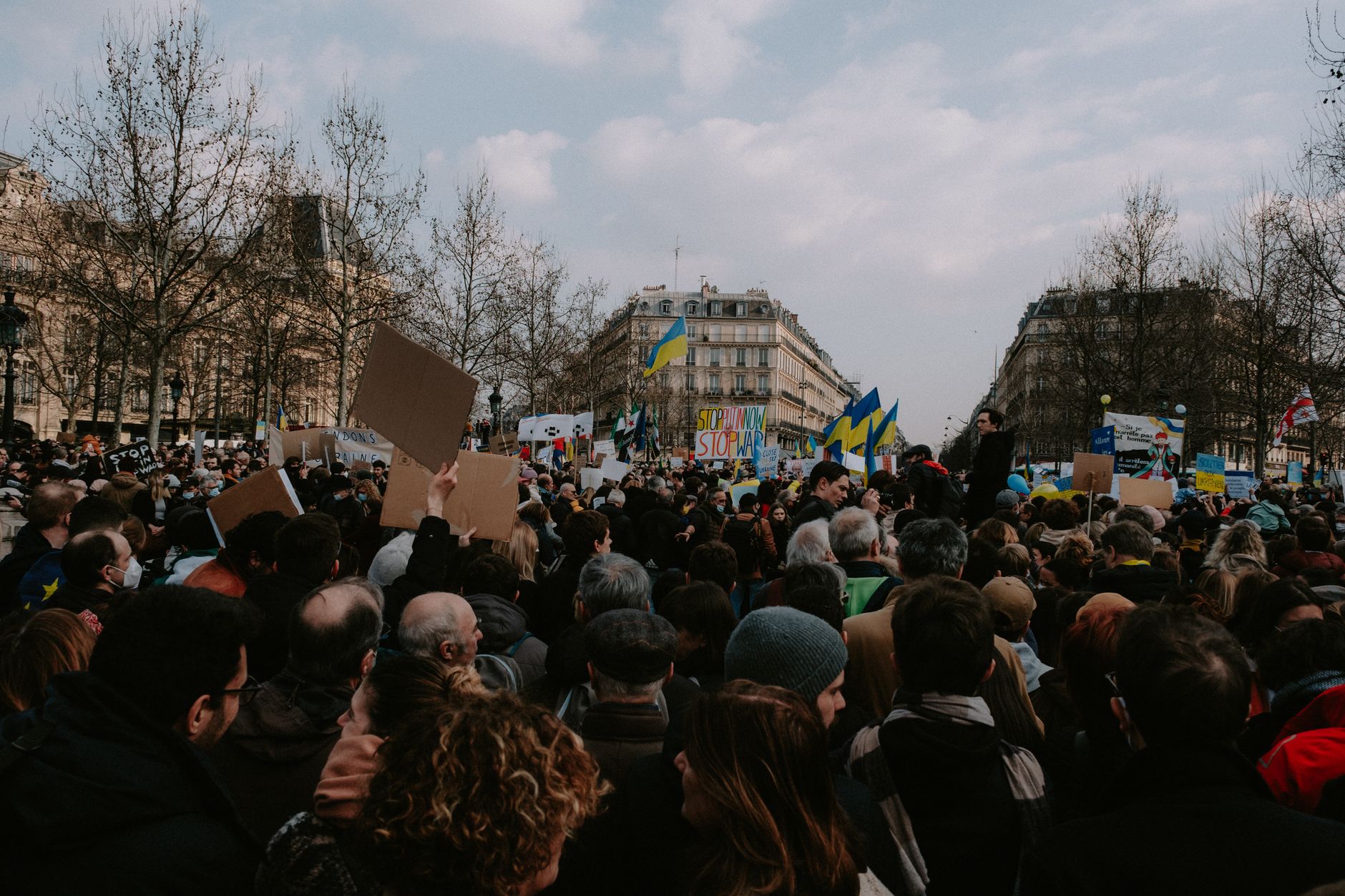
The French government has confirmed it will extend existing curfews and ramp up security measures in response to ongoing nationwide protests that have seen significant civil unrest. Prime Minister Sebastien Lecornu has promised a massive deployment of police forces across the country, ahead of fresh demonstrations that are scheduled to take place on October 24.
This decision follows an admission by Interior Minister Laurent Nunez, who acknowledged that authorities had previously underestimated the scale of the unrest and, in some instances, lost control in several cities during the demonstrations held on Saturday. The situation reached a critical point when a historic town hall in the city of Limoges was set ablaze, alongside widespread reports of looting and damage to businesses across various urban centres.
Justice Minister Gerald Darmanin reported that more than 2,500 people had been taken into police custody by Monday evening. In an attempt to restore order, authorities have enforced overnight curfews in areas surrounding Paris’ Place de la Republique and the Les Halles shopping district. Similar restrictive measures have also been implemented in Lyon and other cities. Officials noted that the extension of these curfews was deemed necessary despite reports that both Paris and Lyon experienced a relatively calm night on Monday without major incidents.
The current wave of protests originated in mid-September, when teachers and high school students in the suburbs of Paris began campaigning against poor school conditions, including deteriorating buildings, teacher shortages, and classroom overcrowding. The movement has since evolved into a broader national campaign against declining public services and the rising cost of living, drawing in trade unions and activists associated with the Yellow Vest movement.
In response to the educational grievances, the government has announced plans to deploy over 3,000 substitute teachers to the schools most in need, with an authorization for several hundred additional permanent hires. However, these efforts are being complicated by significant financial pressures and deep-seated political divisions within the administration. With France’s public debt standing at nearly 3.6 trillion euros—approximately 119 per cent of its annual economic output—the government is balancing austerity with the need for social reform.
President Emmanuel Macron addressed the nation on Sunday, making a clear distinction between the peaceful demonstrators and those responsible for looting and rioting. While he emphasized the government’s intent to address the legitimate concerns of the protesters, he maintained that those involved in acts of violence would face strict legal consequences. The administration currently faces a complex legislative environment, as President Macron's allies lack a parliamentary majority, creating hurdles for the implementation of major policy shifts or economic reforms.
Looking ahead, the government’s primary challenge remains navigating the fiscal deficit, which is projected to reach 5.4 per cent of economic output this year, with a stated target of reducing this to 5 per cent by 2027. The upcoming demonstrations on October 24 will serve as a significant test for both the effectiveness of the government’s security response and its ability to engage with the public on pressing socio-economic reforms.








Comments