


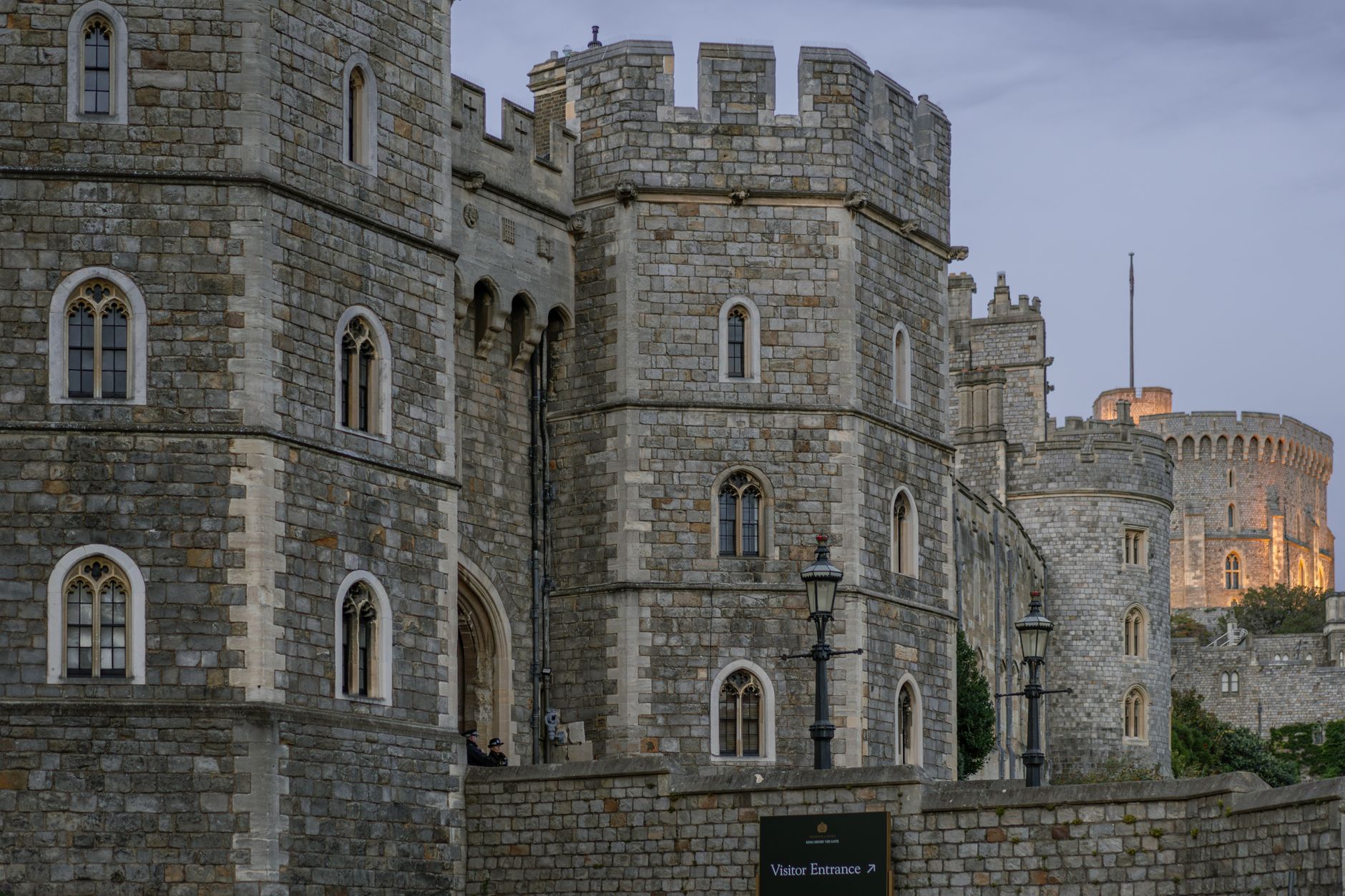
Britain’s King Charles III officially welcomed the Sultan of Oman, Haitham bin Tariq, to the United Kingdom this week for a three-day state visit, marking a significant diplomatic engagement between the two nations. The arrival of the Omani monarch at Windsor Castle was marked by traditional pageantry, including a reception by a red-uniformed military honour guard. This visit represents the first state visit to the UK by a sultan of Oman in 44 years, underscoring the enduring historical and strategic relationship between London and Muscat.
During a state banquet held on Tuesday evening, King Charles addressed approximately 160 guests, offering high praise for Oman’s diplomatic stance in a volatile Middle Eastern landscape. The King specifically acknowledged Muscat’s “noble efforts” regarding the Strait of Hormuz, a critical maritime passage that has faced significant tension. In his address, the monarch described Oman’s “constructive neutrality” as a vital asset for regional stability, noting that the Sultanate acts as a trusted interlocutor for all parties involved in the ongoing geopolitical conflicts.
Sultan Haitham bin Tariq, in turn, reaffirmed his nation’s commitment to diplomacy. He stated that in a region currently defined by conflict, Oman has deliberately chosen an independent path. The Sultan noted that Britain has been a steadfast friend in this pursuit, supporting Oman in its role as a regional mediator. This diplomatic alignment has become particularly relevant as Oman has served as a key intermediary in talks between the United States and Iran since the outbreak of the US-Israel war against Iran in late February.
The banquet at Windsor Castle was attended by a high-profile assembly of political and corporate leaders, including British Prime Minister Andy Burnham. The guest list also featured prominent executives from major global firms such as Shell, BP, and Airbus, indicating that the visit is focused not only on regional security but also on strengthening bilateral trade and investment portfolios. These corporate connections highlight the importance of the economic ties between the UK and the Gulf nation, which remains a key military ally to Britain.
Following the ceremonial events of the first day, the agenda for the remainder of the state visit is set to shift toward formal political discussions. Sultan Haitham bin Tariq is scheduled to travel to Downing Street on Wednesday to hold private meetings with Prime Minister Andy Burnham. While the exact details of these sessions remain broad, official sources have indicated that the discussions will centre on matters of security, bilateral trade, and future investment cooperation between the two countries.
The visit comes at a time of severe regional turbulence, providing an opportunity for both leaders to reaffirm their partnership. For the British government, the presence of the Omani Sultan is seen as an endorsement of the existing strategic cooperation in the Gulf. For Oman, the visit serves as a platform to project its image as a neutral and reliable diplomatic bridge-builder. As the three-day trip progresses, analysts will be watching closely to see if the talks result in new agreements regarding regional maritime security or expanded economic partnerships.
This historic state visit underscores the continued relevance of traditional diplomacy in navigating modern international crises. By honouring the Sultan, the British state has signaled that it values Oman’s ongoing efforts to maintain open channels of communication in the Gulf. As the Sultan continues his engagements in London, the focus will remain on whether these high-level discussions can translate into tangible progress in mitigating the regional tensions that have gripped the Middle East throughout this year.








Comments