


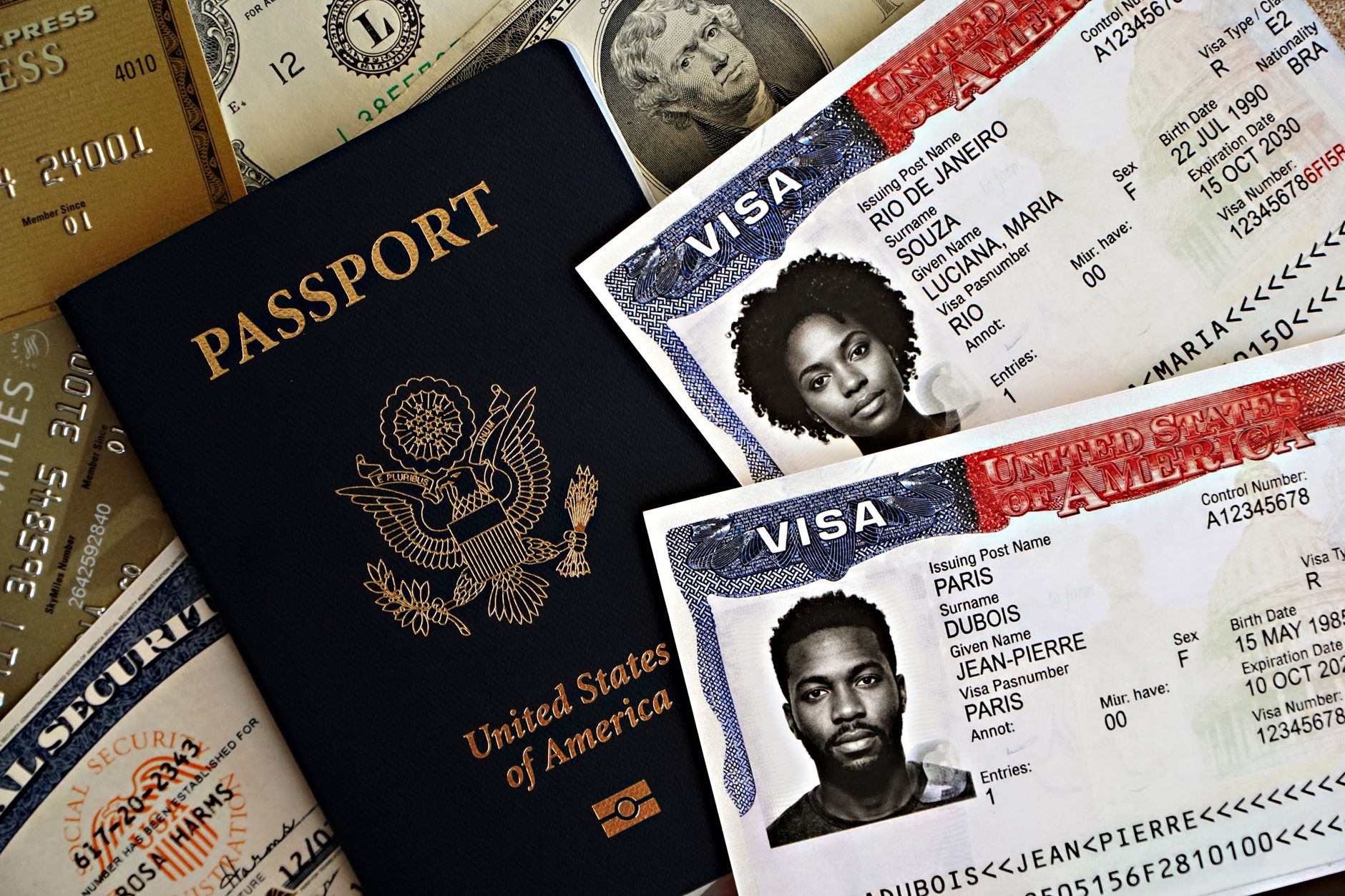
The United States Department of State has confirmed that more than 300,000 visas were revoked during the second term of President Donald Trump’s administration. This data, released by federal officials on Tuesday, provides a stark look at the scale of travel authorization cancellations implemented during the current tenure. The announcement comes as part of a broader review of immigration and border security protocols that have remained a central focus of the administration's policy agenda.
According to the information provided by the State Department, these revocations span a wide range of visa categories, affecting individuals across various international jurisdictions. While the department has not provided an exhaustive breakdown of the specific reasons for every individual cancellation, such actions are typically initiated due to changes in applicant eligibility, security concerns, or shifts in federal policy regarding foreign nationals entering the country. The high number of revocations underscores a rigorous, ongoing effort by the administration to exercise tighter control over visa holders.
For many international travelers, the revocation of a visa often comes with little immediate explanation at the point of notification. In standard administrative practice, once a visa is revoked, the traveler is no longer permitted to use that document for entry into the United States, regardless of its original expiration date. This creates significant complications for those who had planned travel, business engagements, or family visits. The State Department emphasized that its actions are consistent with its authority to review and rescind travel documents when new information warrants a change in status.
This development has drawn attention from immigration experts and policy analysts who monitor the fluctuations in US travel accessibility. Historically, visa revocations are used as a security tool by consular officers and intelligence agencies to mitigate potential risks. However, the sheer volume of 300,000 cancellations suggests an intensified application of this authority during the second term. Observers point out that the administration has frequently utilized such measures as a primary tool for managing cross-border movement and enforcing stricter entry requirements.
The impact of these revocations is felt globally, as the US visa system is a foundational element of international relations and personal mobility. For applicants who find their status suddenly changed, the process of re-applying or seeking clarity often involves long delays and complex administrative hurdles. Legal experts advise those affected by such notifications to consult with consular services directly, as the reasons for revocation can be as varied as individual criminal record updates to broader policy-based restrictions on certain nationalities or sectors.
Looking ahead, the State Department’s figures serve as a point of reference for both domestic stakeholders and foreign governments. As the administration continues to refine its immigration policies, the mechanisms for visa issuance and revocation will likely remain under close scrutiny. Further information regarding the specific demographics and geographic distribution of the revoked visas is expected to be released as part of the department’s ongoing reporting cycles.
For now, the reality for hundreds of thousands of people remains that their previously authorized entry into the United States has been voided. Whether this trend of high-volume revocations continues throughout the remainder of the term remains to be seen, but the current data provides a clear indication of the administration's current priorities. Travelers are encouraged to regularly verify their visa status with the relevant embassy or consulate before making significant travel arrangements, as the regulatory environment remains subject to rapid change.








Comments