


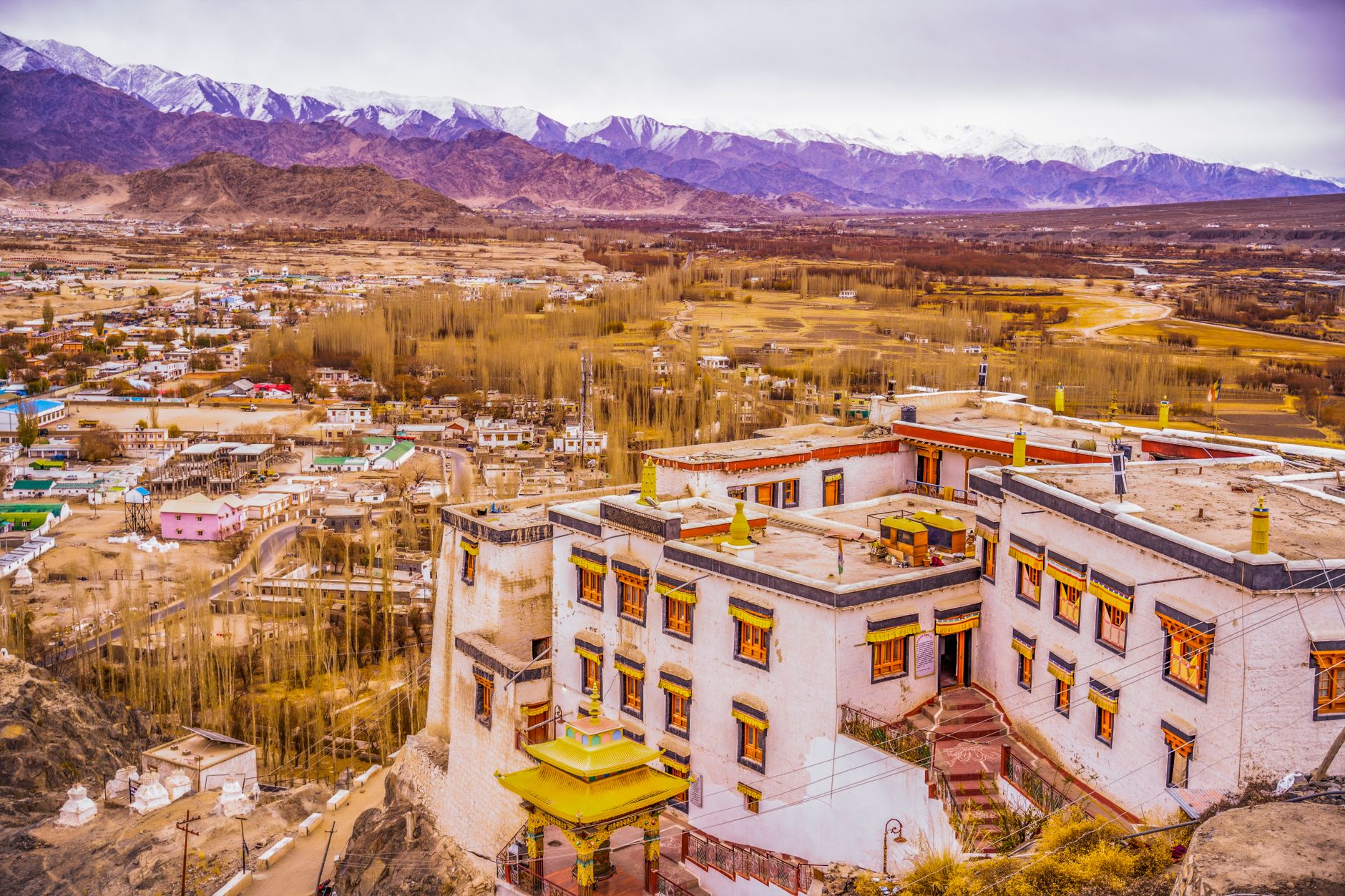
In a significant development for the Union Territory of Ladakh, President Droupadi Murmu has promulgated the Ladakh Autonomous Hill Development Councils (Amendment) Regulation, 2026. This administrative change effectively paves the way for the government to conduct hill council elections across all eight districts, including the newly formed Sankoo district. The announcement was made by the Lieutenant Governor of Ladakh, Vinai Kumar Saxena, on Tuesday, October 20, 2026.
Mr. Saxena described the introduction of this regulation as a “historic” and “landmark” decision. According to the Lieutenant Governor, the implementation process was completed in a record span of just six days. He noted that the Union Cabinet granted its approval for the proposed amendments on October 14, followed by the formal promulgation by the President on October 16. The administration has positioned this move as a critical step to strengthen grassroots democracy and enhance local representation throughout the region.
A core feature of the new regulation is the rationalisation of electoral constituencies. While the previous framework mandated a fixed number of 26 seats for each council, the amended rules now allow for a flexible structure, setting a minimum of seven and a maximum of 24 seats per council. Furthermore, the regulation introduces a provision for the nomination of four members specifically from women's groups and what the government terms "unrepresented communities." Officials stated that this inclusion is intended to foster greater participation in local governance and promote diversity within the councils.
Ladakh, which was established as a Union Territory in 2019 following its separation from the erstwhile State of Jammu and Kashmir, previously functioned with only two hill councils—one in the Buddhist-majority district of Leh and the other in the Muslim-majority district of Kargil. Following the L-G administration’s decision to create eight districts earlier this year, the need for a revised institutional framework became a priority for the government. Currently, the LAHDC-Kargil remains operational, having held its last elections in 2023, though recent reports indicate that the Chief Executive Councillor, Mohammad Jaffer Akhoon, has expressed intentions to step down.
Despite the government's emphasis on inclusivity and democratic expansion, the move has faced criticism from local civil society groups. The Kargil Democratic Alliance (KDA), which is currently engaged in formal dialogues with the Central government regarding demands for statehood and the implementation of the Sixth Schedule, has questioned the timing and process of these amendments. Members of the KDA expressed frustration that significant changes to the structure and powers of the councils were enacted without prior consultation with local stakeholders.
Sajjad Kargilli, a member of the KDA, stated that the decision is "deeply problematic" given that the future constitutional status of Ladakh is still under negotiation. He raised concerns that the government is altering the institutional framework of local self-government while discussions are ongoing, arguing that this could potentially leave the region's representative institutions subject to executive discretion rather than securing genuine autonomy. The KDA has questioned whether the government’s actions signify a true commitment to the ongoing dialogue process or a move to assert more central control over local administrative structures.
Looking ahead, the administration intends to move forward with the electoral process under these new regulations. While the government maintains that these changes will promote inclusivity and modernize the governance of the hill councils, the reaction from groups like the KDA suggests that political tensions regarding the region's administrative autonomy will likely persist as the electoral cycle commences in the newly defined districts.








Comments