


Hurricane Isaias barreled toward the U.S. Gulf Coast on Friday, bringing intense wind gusts and the threat of a severe storm surge to the region. According to an advisory from the U.S. National Hurricane Center at 8 p.m. New York time, the storm was positioned approximately 45 miles south of Pensacola, Florida. With winds reaching 110 miles per hour, Isaias moved toward landfall as a strong Category 2 hurricane.
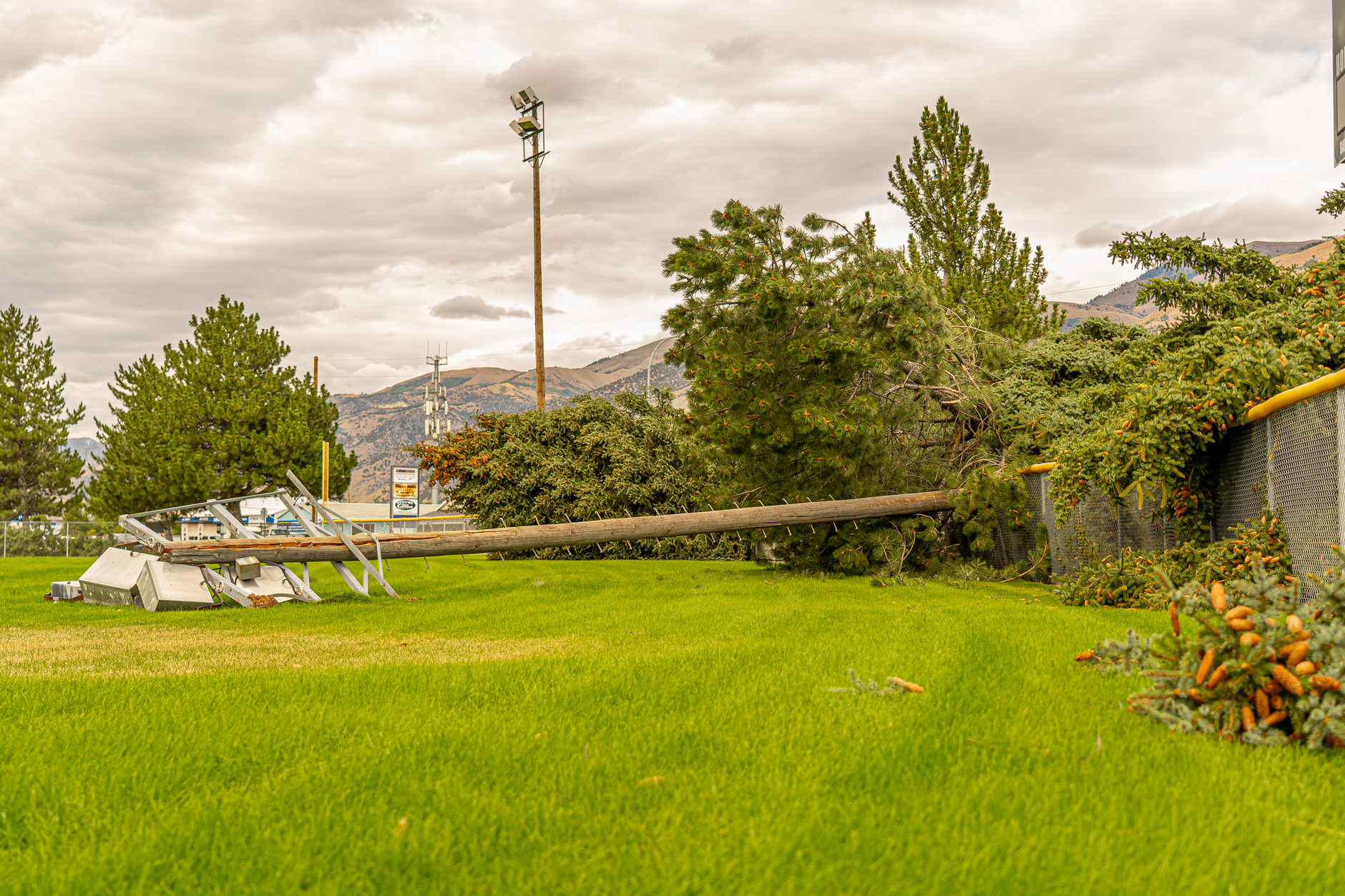
The impact on local infrastructure was immediate, with more than 380,000 homes and businesses across Florida and Alabama losing electricity by 8:30 p.m. Utility companies, including Duke Energy, have signaled that repair crews are on standby to restore service once conditions are safe. In preparation for the storm's arrival, Florida Governor Ron DeSantis declared a state of emergency across 27 counties, and toll charges on bridges in Okaloosa and Santa Rosa counties were suspended to facilitate evacuations.
Energy operations in the region have also faced significant disruptions. The Marine Minerals Administration reported that oil producers have shut in nearly 1.5 million barrels per day of crude production, accounting for 72% of the region’s output. Operations for natural gas were similarly impacted, with 59% of production halted and 129 platforms evacuated. Several fuel-making facilities, including a major refinery in Pascagoula, Mississippi, were identified as being in or near the storm's projected path.
Meteorologists forecast that after making landfall, Isaias will travel across Alabama and into the Tennessee and Ohio valleys, potentially dumping up to 12 inches of rain. Authorities have cautioned that the situation remains life-threatening, urging residents to prioritize safety. Meanwhile, the storm’s eastern side is expected to bring substantial rainfall to parts of the Carolinas, raising concerns for regions previously affected by flooding.








Comments