


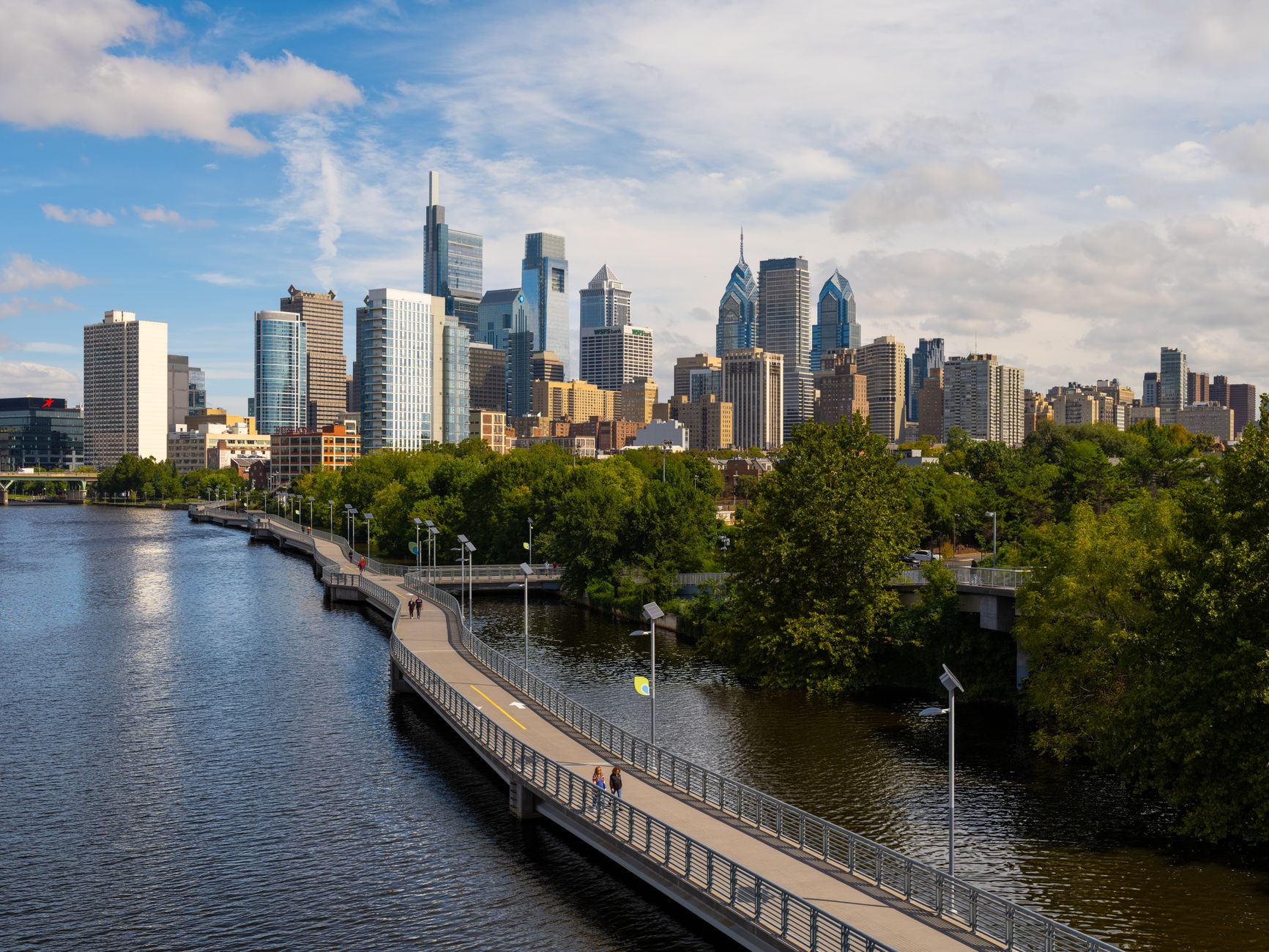
The Delhi government has unveiled plans to transform a 52-kilometre stretch of the Yamuna into a public riverfront modelled after the successful Sabarmati Riverfront in Ahmedabad. Officials confirmed that the project, intended to rejuvenate the river, will integrate recreational facilities, including walking paths, cycle tracks, and dedicated sports grounds for public use. To facilitate this development, the government is currently moving a proposal for a memorandum of understanding (MoU) with the Sabarmati Riverfront Development Corporation.
According to the project roadmap, the work will be executed in two distinct phases, separated by the Wazirabad barrage. The first phase, which is being prioritised, will cover the area from Palla to Wazirabad and is intended to serve as a blueprint for the remainder of the development. The second phase will span the stretch from Wazirabad to Kalindi Kunj, located near the Okhla barrage. Delhi Water Minister Parvesh Sahib Singh noted that consultants are being engaged to guide the project, with the goal of completing the model riverfront within the tenure of the current government.
Minister Singh, who recently visited the Sabarmati project alongside representatives from the Delhi Jal Board and the Irrigation and Flood Control department, stated that the administration intends to adapt best practices from Gujarat to suit the Capital’s specific requirements. The initiative is not merely about aesthetic improvements; it is a core component of a broader strategy to restore the river. This includes ongoing efforts to address water quality, particularly along the critical 22-kilometre stretch between the Wazirabad and Okhla barrages, which has long been a primary concern regarding pollution levels.
As part of the government's efforts to enhance water treatment capacity, 28 of Delhi’s 37 sewage treatment plants have undergone upgrades over the last 18 months. Plans are also underway to install new treatment plants that will increase capacity by 250 million gallons per day (MGD), with the ultimate target of ensuring that all sewage generated within the city is treated before reaching the river. The Minister expressed optimism, stating that the Yamuna could become visibly cleaner in approximately two-and-a-half years.
To foster public connection with the river, the government has introduced a community-focused initiative involving the construction of huts along the Yamuna’s banks. These spaces are being designed to allow residents to celebrate occasions such as birthdays in a natural setting. During a recent cleanliness campaign, Minister Singh encouraged public participation in the project, suggesting that creating personal memories near the river would strengthen the community's commitment to maintaining its cleanliness. He added that he intends to celebrate his own birthday at the site on November 7.
The vision for this riverfront is to create a world-class public space that offers residents an accessible environment for morning walks, yoga, and other recreational pursuits. By combining physical infrastructure like cycle tracks and sports grounds with efforts to improve water quality, the government hopes to shift the public perception of the Yamuna, turning it into a prominent feature of the city's urban landscape. With consultants currently being brought on board, the project enters a formal development phase aimed at revitalising one of Delhi's most significant natural assets.








Comments