


China has announced new global restrictions on the export of tunnel boring machines (TBMs), a move that could affect ongoing infrastructure projects in India, including the country's first high-speed rail corridor. According to China’s Commerce and Industry Ministry, export operators will be required to apply for specific licenses under laws governing dual-use items. These regulations are scheduled to take effect on November 18.
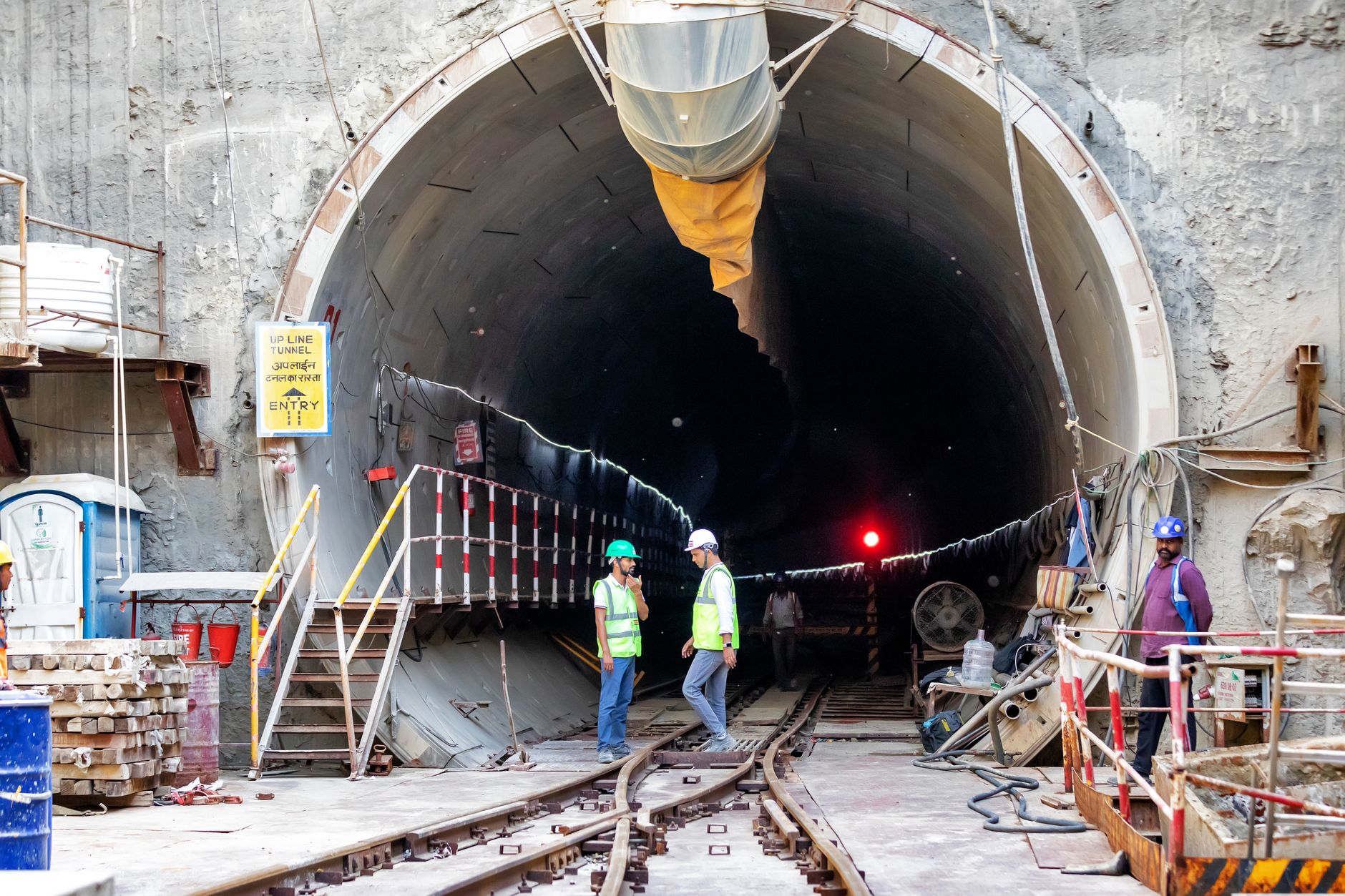
The restriction comes as TBMs have become indispensable for large-scale engineering feats. These 3,000-tonne machines are vital for the execution of the 508-km Mumbai-Ahmedabad High-Speed Rail Corridor, which includes a complex 7-km undersea tunnel. Compared to conventional blasting methods, TBMs offer a significantly safer excavation process, a feature particularly critical when boring through densely populated urban regions.
India has already contended with difficulties regarding these machines. Since 2024, importers have faced delays in receiving TBMs manufactured in China. During an interaction with Germany's then-Vice Chancellor Robert Habeck in 2024, Commerce Minister Piyush Goyal highlighted that shipments from the German firm Herrenknecht—a leader in TBM technology—were being blocked when the machines were produced in China. At the time, Herrenknecht reported encountering extraordinary circumstances during customs clearance that hindered their ability to meet delivery obligations. Although some machines were eventually received in March 2026, the new licensing mechanism introduces fresh uncertainty.
The move follows a series of trade tensions between New Delhi and Beijing. External Affairs Minister S Jaishankar and Finance Minister Nirmala Sitharaman have frequently raised concerns regarding the trade balance, which they have described as one-sided and tilted. Recent data shows India’s trade deficit with China in the first six months of the 2026-27 fiscal year reached $69 billion, representing a 27% increase over the previous year's corresponding period. In response, India has intensified its anti-dumping and anti-subsidy investigations, with the Swiss think-tank Global Trade Alert noting that India initiated more such investigations than any other country in the July-September quarter, with China being the largest target.
Analysts suggest that the impact of the new TBM restrictions will largely depend on how Beijing chooses to apply these controls. While India has recently shown openness to Chinese investment in specific strategic sectors like power, the trade environment remains complex. Commerce Minister Piyush Goyal noted last week that India is working to improve the relationship, though he cautioned that the trajectory of these ties remains uncertain.
This development occurs against the backdrop of China’s broader trade strategy amid negotiations with the European Union and the United States. With China’s global trade surplus reaching $1.2 trillion in 2025, there is growing international scrutiny regarding its export dominance. A report by the Rhodium Group suggests that China’s rising export share often comes at the cost of other large trading economies, projecting significant shifts in global market shares by 2030.
As the November 18 deadline approaches, the construction sector awaits clarity on the licensing process. For India, the primary concern remains the steady supply of specialized equipment necessary to maintain the momentum of national transport projects, which rely on international supply chains that are currently navigating shifting geopolitical realities.








Comments