


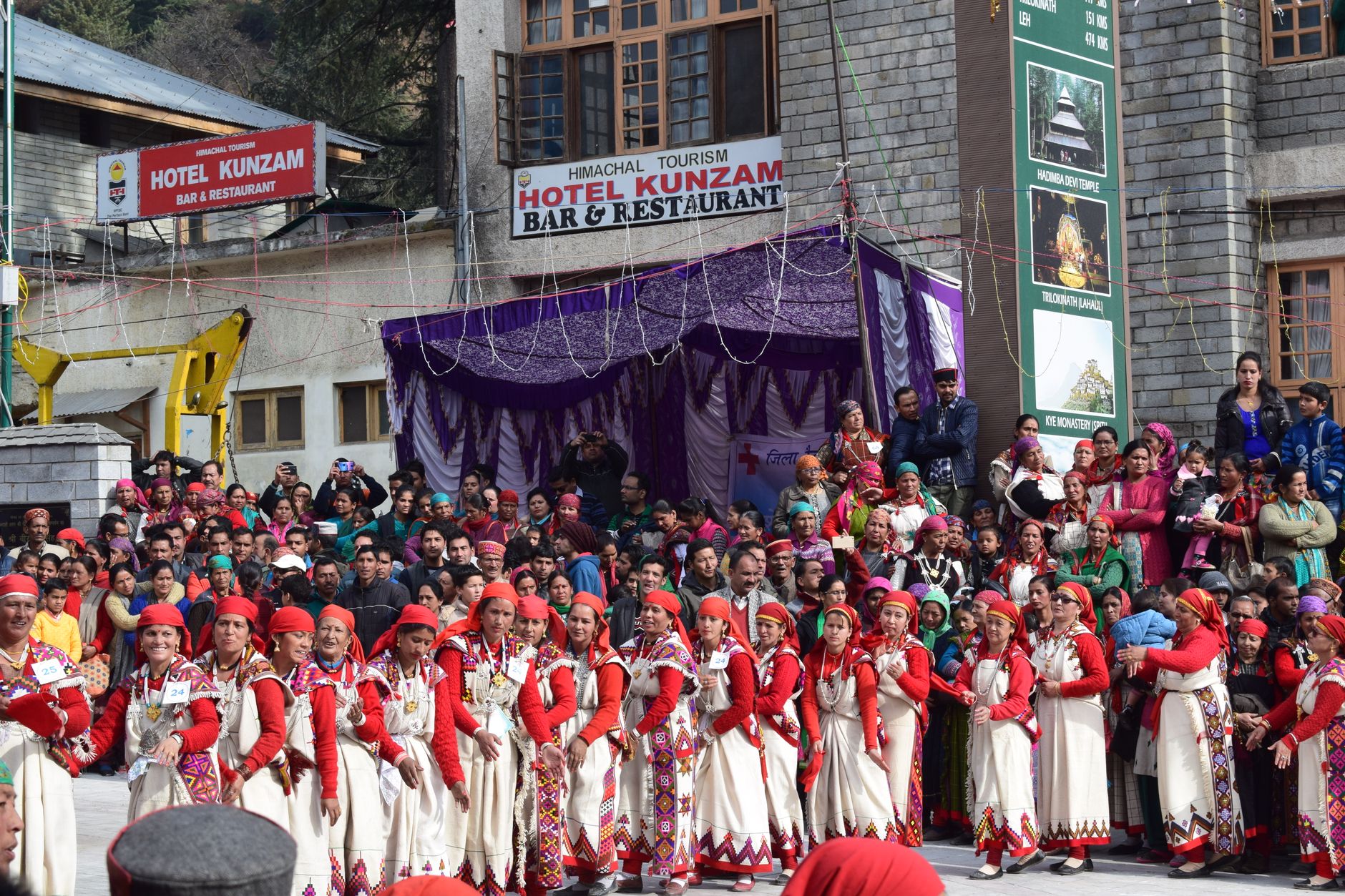
As Dussehra celebrations conclude across much of India with the traditional burning of Ravana effigies, a distinct and ancient spectacle begins in the mountains of Himachal Pradesh. In the Kullu Valley, the festival serves as a vibrant meeting ground for faith, folklore, and centuries-old local traditions. Rather than mirroring the pan-Indian custom of effigy destruction, Kullu marks the occasion by gathering more than 300 village deities, creating a unique cultural assembly that has persisted for nearly four centuries.
The festivities are set to begin on October 21, 2026, and will span seven days, concluding on October 27. This timing adheres to the Udaya Tithi tradition, meaning the event officially kicks off a day after the national observance of Vijayadashami. The heart of the celebration is the Dhalpur Maidan, which transforms into the epicenter of religious fervor as palanquins arrive from across the region.
The historical roots of this gathering trace back to the 17th century during the reign of Raja Jagat Singh. Local lore suggests the tradition began following a tragedy involving a Brahmin named Durga Dutt, who possessed a valuable bowl of pearls. When the King’s men attempted to seize the treasure, they reportedly mistreated the Brahmin. In a desperate act of protest, Durga Dutt locked his family inside his home and set it on fire, cursing the monarch. The resulting tragedy is said to have haunted the King, who subsequently suffered from severe illness and disturbing visions.
Seeking redemption, the King consulted a bairagi named Krishan Dutt, also known as Pahari Baba. Upon the advice of the holy man, the King sought the blessings of Lord Ram to atone for his actions. He brought an idol of Lord Raghunath to Kullu and invited village deities from across the valley to pay their respects. This historical act of atonement evolved over the centuries into the grand annual assembly observed today, cementing Lord Raghunath’s position as the presiding deity of the valley.
During the seven-day event, the valley comes alive with the sounds of traditional Himachali music, drums, and rhythmic dancing. The arrival of the village deities is a particularly striking aspect of the festival. Devotees carry these idols on elaborately decorated palanquins, sometimes walking for days from remote mountain settlements to reach the Dhalpur Ground. Each deity arrives with its own unique identity and following, representing the diverse and living cultural heritage of the region.
A central ritual involves the ceremonial pulling of Lord Raghunath’s chariot to the Dhalpur Ground, a sight that draws locals and visitors alike. For those travelling to the valley, the festival offers an opportunity to witness customs that have been preserved through generations. Participants often wear traditional attire, and the performances held throughout the week provide a deeper look into the region's spiritual life.
Beyond the religious significance, the gathering at Kullu acts as a vital bridge between the valley’s various communities. By focusing on the homage paid to the presiding deity rather than the destruction of effigies, the event maintains a distinct identity in India’s festive calendar. As the deities congregate in the valley, the festival reinforces the social and spiritual bonds that define the people of Himachal Pradesh, marking a time of communal unity and historical reflection.








Comments