


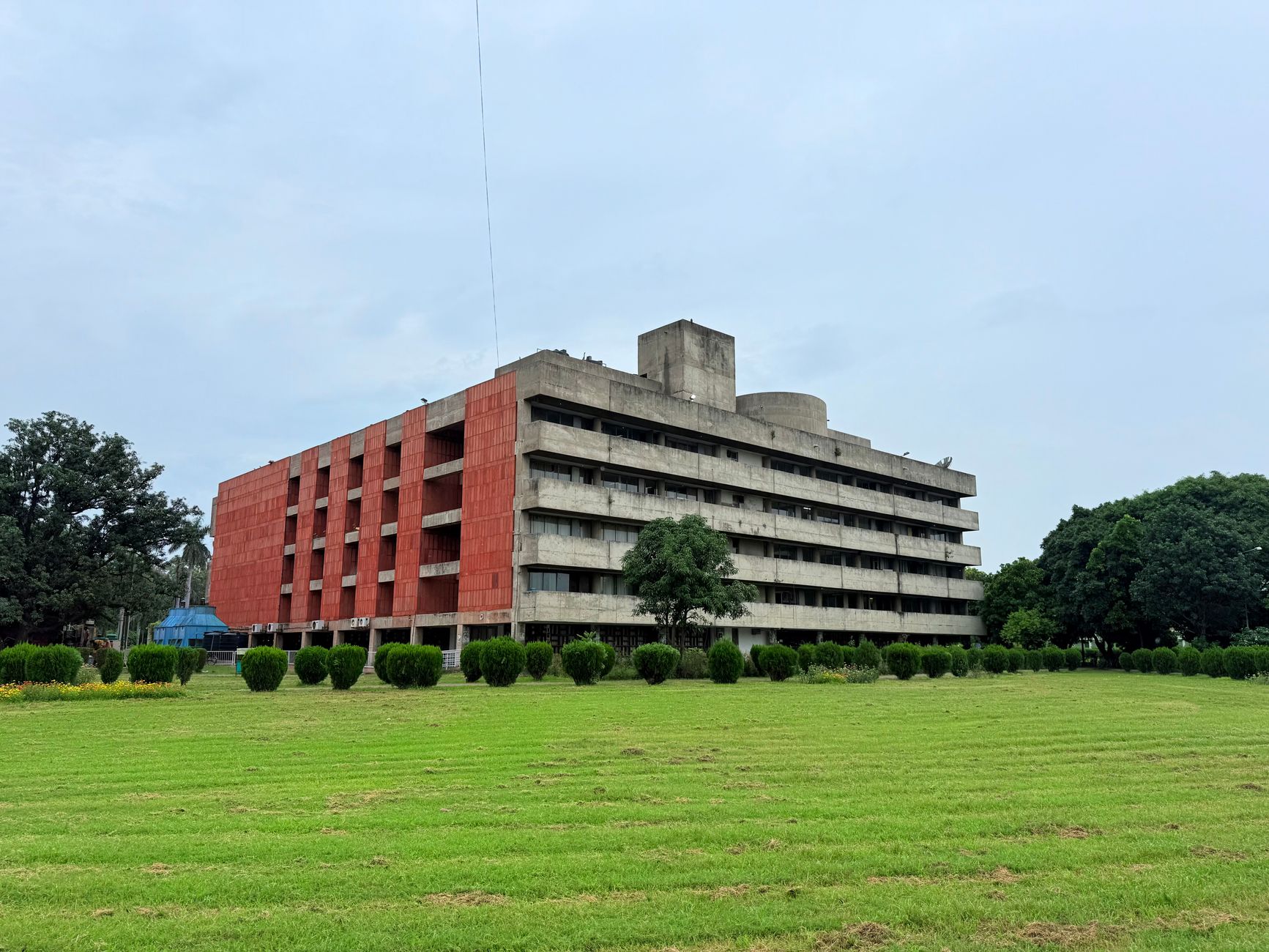
A 17-day-old hunger strike at Jawaharlal Nehru University (JNU) has drawn the attention of Rajya Sabha MP John Brittas, who has formally sought the intervention of President Droupadi Murmu to resolve the standoff. The protest, initiated on October 3 by members of the Jawaharlal Nehru University Students' Union (JNUSU), centers on grievances against the university administration’s disciplinary policies and the treatment of elected student representatives.
In a formal appeal shared on social media, Mr. Brittas, an alumnus of the institution, expressed profound concern regarding the deteriorating health of the students participating in the fast. He emphasized that the university, historically known for fostering debate and democratic dissent, must ensure that student voices are heard rather than suppressed through punitive measures. He argued that the current situation threatens the foundational principles of social justice and secularism, which are enshrined in the Jawaharlal Nehru University Act of 1966.
As the Visitor of the university under the 1966 legislation, the President has been urged by Mr. Brittas to invoke her powers under Section 8 of the Act. His request specifically calls for the immediate revocation of rustication orders against JNUSU office-bearers and a comprehensive review of the Chief Proctor Office (CPO) Manual. The union has frequently criticized the manual for containing provisions that impose excessive fines and disciplinary restrictions on student assemblies and protests.
The JNUSU has confirmed that its president, Aditi, vice president, Gopika, and general secretary, Sunil, are among those actively participating in the indefinite strike. The union maintains that these students have been unfairly targeted through rustication, which they claim has crippled the functioning of the students' union and hindered the collective representation of the student body. Despite the prolonged duration of the strike, the students allege that the administration, led by Vice-Chancellor Santishree Dhulipudi Pandit, has failed to engage in meaningful negotiations, reportedly refusing to speak directly with the rusticated representatives.
Beyond the primary issues of rustication and the CPO Manual, the protesters have put forward a broader list of demands. These include urgent repairs to deteriorating campus infrastructure and the reinstatement of the Gender Sensitisation Committee Against Sexual Harassment (GSCASH). Furthermore, the union is calling for an independent inquiry into allegations of a recruitment scam involving the Internal Quality Assurance Cell (IQAC), along with the reconstitution of the Equal Opportunity Cell in alignment with the proposed Rohith Act.
Mr. Brittas, a CPI(M) leader from Kerala who was elected to the Rajya Sabha in 2021, highlighted that the exclusion of elected representatives prevents students from effectively articulating their grievances. A seasoned journalist and media professional by background, he warned that the current impasse poses significant risks to the health of the hunger strikers and could discourage future students from raising legitimate concerns due to fear of institutional repercussions.
As the protests persist, the situation on the JNU campus remains tense. With the strike entering its third week, the students have stated that their demonstration will continue until the administration addresses their core demands. The appeal to the President marks a significant escalation in the dispute, shifting the focus of the protest from internal campus negotiations to the highest level of administrative oversight in the country.








Comments