


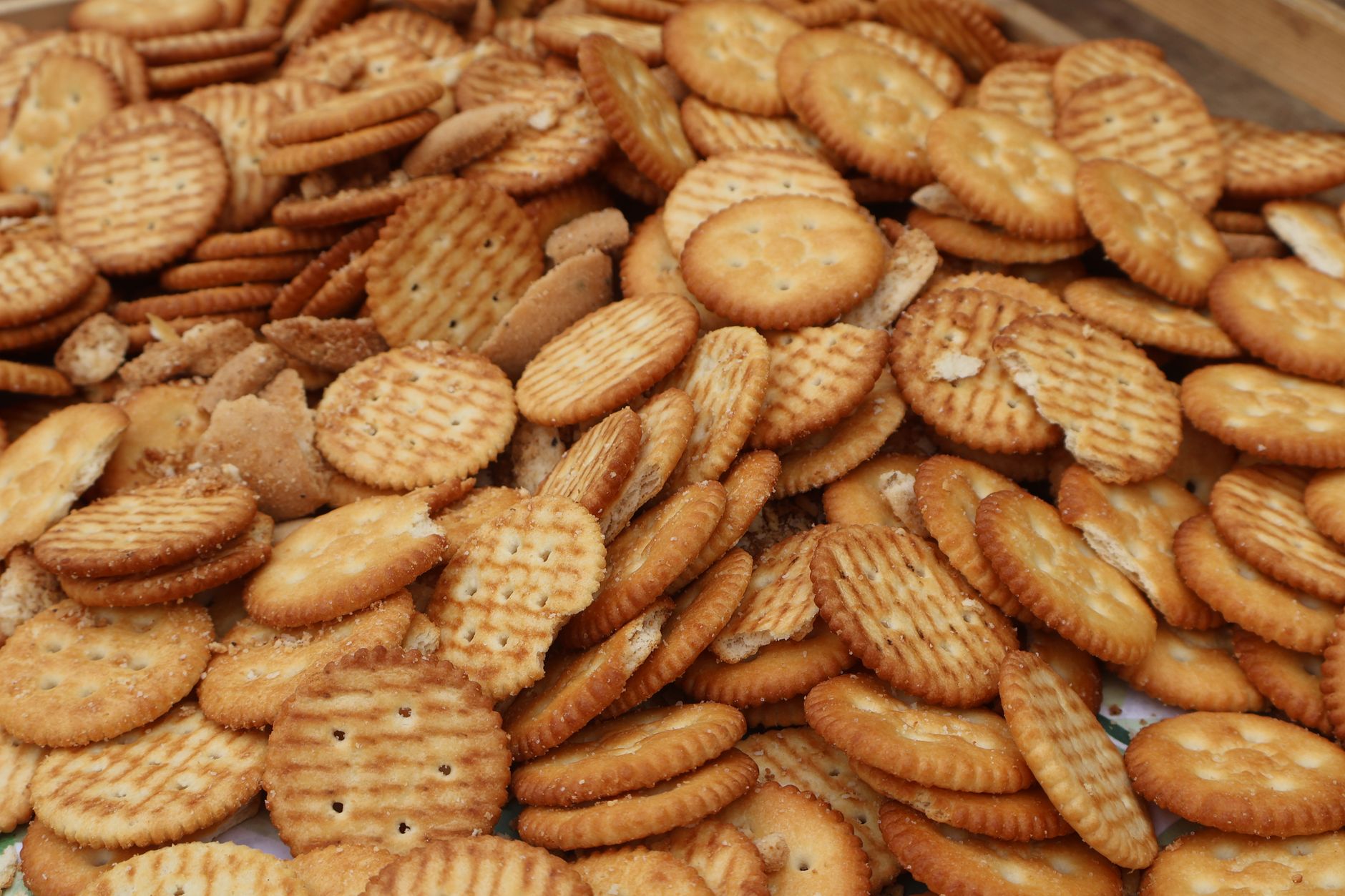
Nepal has officially banned the import, sale, and distribution of Priyagold biscuits manufactured by the Indian company Surya Food and Agro Ltd. The decision, announced by the Department of Food Technology and Quality Control (DFTQC) in Nepal, follows serious food safety findings in India that highlighted major violations at the manufacturer's production facility.
The regulatory action in Nepal was initiated after a virtual emergency meeting held by the DFTQC, led by Director General Sanjeev Kumar Karna. The department categorized the biscuits as substandard, citing the gravity of the safety concerns raised by the Food Safety and Standards Authority of India (FSSAI). Consequently, the department has mandated that all authorised importers and traders immediately halt the sale of these products and recall any existing stock from the market to protect consumer health.
The crackdown follows a rigorous inspection of the Surya Food and Agro Ltd facility by Indian regulators, which was triggered by a consumer complaint. During this investigation, officials discovered that the company was using bran intended for cattle feed as a raw material in their biscuits. Despite being marketed as a source of fibre, the bran bags were explicitly labelled as non-human grade material meant for animal consumption.
In addition to the issue involving the use of cattle-feed ingredients, the FSSAI identified several other critical deficiencies regarding the plant's operational standards. These violations included a significant lack of proper hygiene, failures in effective pest management, and improper methods for storing and segregating raw materials. Furthermore, investigators found shortcomings in the maintenance of the manufacturing premises, poor personnel hygiene, and flaws in the handling of intermediate formulations during the production process.
In direct response to these findings, the FSSAI has suspended the food licence of Surya Food and Agro Ltd. The regulator has also granted official sanction to initiate legal prosecution proceedings against the firm. While these proceedings mark a formal step in the regulatory investigation, it is important to note that the sanction for prosecution does not constitute a conviction. The company is now facing the repercussions of these severe documented failures to comply with established food safety requirements.
The restrictions imposed by Nepal serve as a significant development in the ongoing food safety investigation. By prohibiting the product's presence in the Nepali market, the DFTQC is aiming to mitigate risks to the public. The department has urged both consumers and traders to adhere strictly to the new directive, noting that any further import or distribution of the specified biscuits is prohibited until further notice.
The incident has sparked wider scrutiny regarding the product's distribution, raising questions about whether other international markets where the brand is present will follow suit. As the legal processes initiated by the FSSAI continue to unfold in India, traders and consumers are being advised to keep track of official notices from their respective food safety authorities. As of now, the manufacturer has not provided a public response regarding the findings or the subsequent regulatory actions taken against their production facilities.








Comments