


FareShare South West, the largest food redistribution charity in the region, has issued a stark warning regarding the sustainability of its operations as soaring fuel costs threaten to disrupt the delivery of food to thousands of people in need across Devon and Cornwall. The charity, which works to redistribute surplus food to approximately 70 organisations, is currently facing the dual challenge of managing a 45% increase in demand since the onset of the Covid-19 pandemic while simultaneously absorbing sharp rises in transportation and logistics expenses.
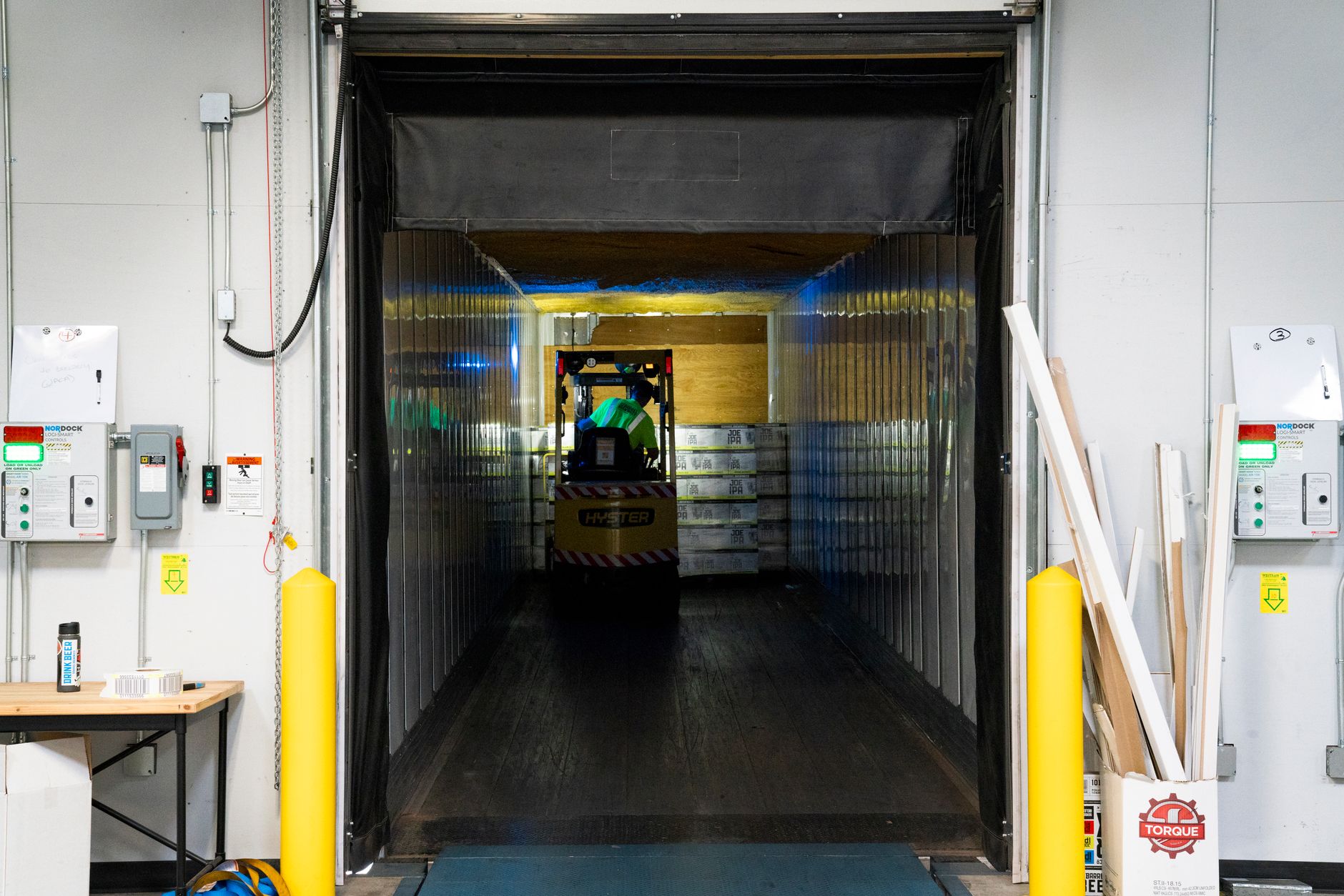
Operating out of a distribution hub in Plymouth, the organisation coordinates a team of 80 volunteers and four paid staff members who process tonnes of surplus food weekly, ranging from fresh produce to dairy goods. According to the charity’s leadership, the recent spike in wholesale oil prices has directly translated into significantly higher overheads. Hub manager Ryan Jackson noted that petrol prices have risen by 31% while diesel has climbed by 41% over the past six months, costs which the charity has been forced to absorb internally.
The financial pressure extends beyond the cost of fuel for delivery vehicles. The charity expressed deep concern regarding the impact on its workforce, particularly its volunteers, many of whom are now finding the personal cost of travelling to shifts increasingly burdensome. Jamie Henshaw, a volunteer at the hub, highlighted the precarious nature of this situation, noting that while the team remains committed to their work, there may eventually reach a point where volunteers are simply unable to afford the travel expenses required to continue their service.
Mr. Jackson emphasised that prolonged high fuel prices present a significant risk to the charity's ability to retain and recruit the volunteer base that is essential to its daily operations. Should the current trend in energy costs persist, the organisation faces potential limitations in its capacity to maintain current distribution levels. The charity relies on a combination of corporate, government, and independent funding to operate, making it sensitive to shifts in the broader economic landscape.
Despite these mounting fiscal challenges, the organisation remains focused on its mission to alleviate food insecurity. FareShare South West has confirmed that it intends to expand its regional reach by establishing additional food collection points. Furthermore, the charity is planning a move to a larger distribution facility in Plymouth later this year, a strategic shift intended to help manage the increasing volume of surplus food collected from farmers, supermarkets, and other food producers.
The current crisis faced by the charity is reflective of broader national trends, as households, businesses, and essential service providers continue to grapple with inflationary pressures and volatile energy markets. By intercepting food before it goes to waste, FareShare South West provides a critical service to community groups and charities across the South West of England. The organisation continues to navigate the complexities of sustaining this support network amidst a challenging economic climate, striving to ensure that the disruption to those relying on their services is kept to a minimum.








Comments