


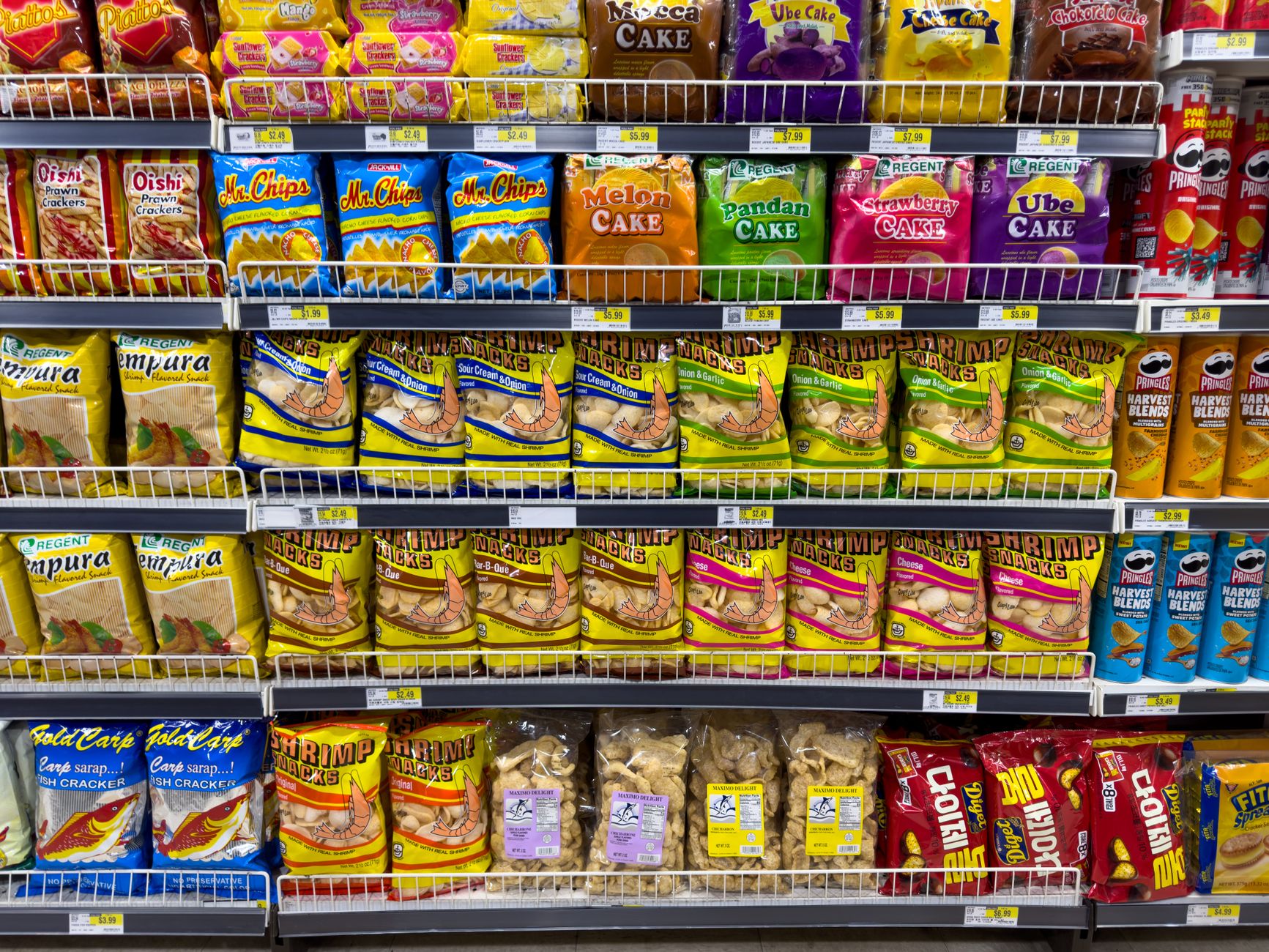
Ultraprocessed foods are currently at the centre of an intense and growing controversy. Often described by health influencers and media commentators as harmful, these items have been scientifically linked to a range of chronic diseases. Some public health advocates have even proposed global initiatives to halt the production and consumption of these industrial food formulations. However, beneath the alarmist headlines, the scientific and social consensus regarding ultraprocessed foods remains far from settled, with many experts suggesting the issue is more nuanced than a simple binary of healthy versus unhealthy.
At its core, the definition of what constitutes an ultraprocessed food is highly contested. Generally, these are understood as mass-produced, industrial formulations featuring ingredients not typically present in a domestic kitchen and containing little to no intact whole foods. Yet, while the movement against them is gaining momentum, skeptics argue that the fervor has evolved into a moral panic. These observers suggest that characterizing all ultraprocessed items as uniformly dangerous ignores the reality that some of these products can still form part of a balanced and healthy dietary pattern.
To understand the current tension, one must look at the history of food processing itself. Humans have been transforming crops and animals into edible products for thousands of years, beginning with the advent of cooking approximately two million years ago. Traditional methods such as fermenting, drying, grinding, and baking allowed early societies to preserve nutrition and extend food supplies. These foundational techniques were essential for survival, enabling human populations to thrive long before the industrial era began to reshape global nutrition.
The landscape of food consumption shifted dramatically during the mid-18th century as new industrial processes emerged. Innovations such as canning, pasteurization, and refrigeration fundamentally altered the relationship between food production and society. Before these advancements, most people relied on local food sources, consuming items shortly after harvest to avoid spoilage. Industrialization allowed for the development of regional and international supply chains, promising to improve food shelf life, safety, quality, and convenience. As the world urbanized, these technological leaps connected distant farmers to a growing global consumer base.
As the 21st century dawned, food manufacturers introduced a wide array of complex technological innovations, standardizing products for the mass market and prioritizing consumer convenience. During this transition, public health experts began identifying specific problematic nutrients in these products, such as high levels of saturated fat, sugar, and salt, which were linked to rising rates of diabetes, obesity, and other diet-related ailments. These warnings served as an early framework for evaluating the modern food system.
By the mid-2000s, the discourse shifted from focusing on individual nutrients to the nature and extent of the processing itself. Advocates began to argue that the industrial transformation of food, rather than just the presence of salt or sugar, was the primary driver of chronic illness. This perspective gained traction as prominent voices encouraged the public to avoid what were described as "edible food-like substances."
Moving forward, the debate continues to bridge the gap between rigorous scientific study and social activism. Researchers studying these food movements suggest that understanding the history of industrialization is key to separating genuine health concerns from ideological panic. While consumers are increasingly cautious, the conversation serves as a reflection of how modern societies reconcile the convenience of industrial food with the biological requirements of human health, ensuring that future policies remain grounded in both history and science.








Comments