


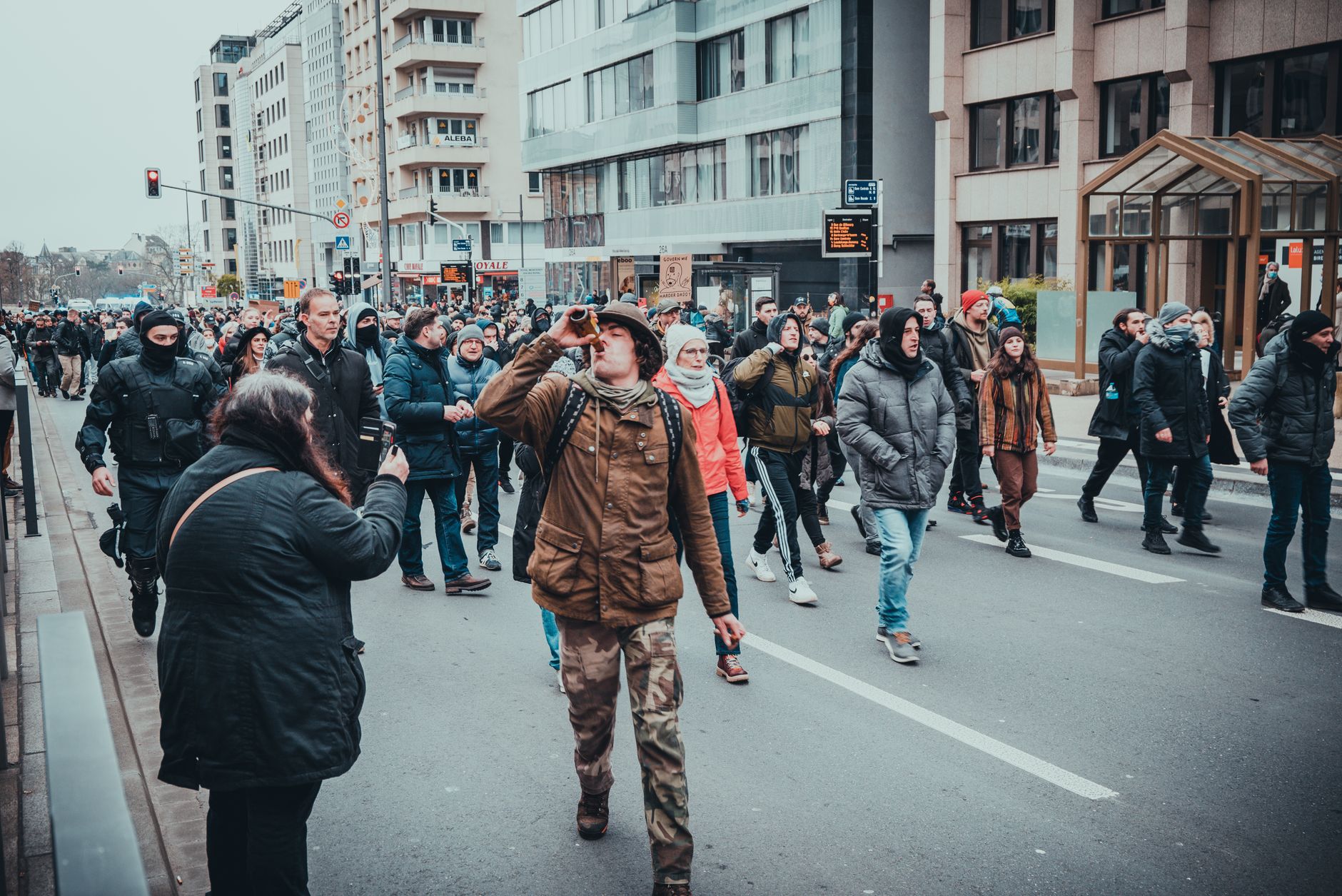
A wave of civil unrest has gripped major European cities as citizens take to the streets to protest against systemic economic pressures. For several weeks, widespread demonstrations in France, Italy, Albania, Spain, and Portugal have highlighted growing public frustration regarding housing affordability, the state of education, and the quality of public services. These gatherings, while often beginning as peaceful movements, have frequently escalated into confrontations, resulting in significant numbers of arrests, injuries, and property damage.
In France, the situation has intensified following weeks of student-led blockades demanding increased resources for schools, particularly in lower-income areas. The movement has since expanded to include broader grievances about rising living costs and the deterioration of public services. Following a national day of demonstrations, weekend unrest led to 2,400 arrests across the country, with reports of looting in cities including Paris, Marseille, Lyon, and Bordeaux. Authorities reported that rioters threw firebombs, leading to severe injuries and the destruction of infrastructure, including the 19th-century City Hall in Limoges, which was engulfed in flames.
President Emmanuel Macron addressed the nation on October 18, 2026, condemning the violence and the targeting of public buildings. He vowed that those responsible for the looting and the attempts to destabilize the Republic would be held accountable. While far-right figures and international commentators have attempted to frame the unrest through the lens of migration, French authorities and law enforcement have attributed the violence to specific groups of agitators and have not linked the riots to immigrant populations.
Simultaneously, Spain is grappling with a severe housing crisis that has triggered widespread protests. In Madrid, demonstrators have established tent encampments in the Puerta del Sol, a movement sparked by the eviction of an elderly resident. The protest has gained momentum as many young people find housing costs unattainable; reports indicate that the average monthly rent for an 80-square-meter apartment is approximately 1,130 euros, compared to a minimum wage of 1,221 euros. The pressure has forced the government to act, though failed attempts to pass affordable housing legislation in Parliament have prompted Prime Minister Pedro Sánchez to call for a snap election in November.
Sociologists observe that these disparate movements are unified by a profound sense of uncertainty among the youth. María Silvestre, a professor at the University of Deusto, noted that young people often feel disappointed with current social models and lack a sense of control over their futures. This underlying discontent provides a catalyst that can quickly channel public anger into organized street movements when specific economic triggers arise.
The current climate of instability comes at a sensitive time for the European Union, as several major economies prepare for pivotal elections. Political analysts suggest that the rise of far-right parties in nations like Germany, alongside the broader geopolitical tensions involving support for Ukraine and security concerns related to Russia, have created a complex environment for leaders to navigate. As autumn continues, the combination of economic hardship and political volatility remains a defining challenge across the continent.
Moving forward, the political landscape in Spain will be heavily influenced by the upcoming snap elections and a scheduled general strike—the first in 14 years. In France, the government faces the dual task of addressing the underlying causes of student and labor union grievances while restoring order following the recent violence. For the broader European bloc, the ability to manage these domestic crises while maintaining a unified stance on external security and economic policy will be tested in the coming months.








Comments