


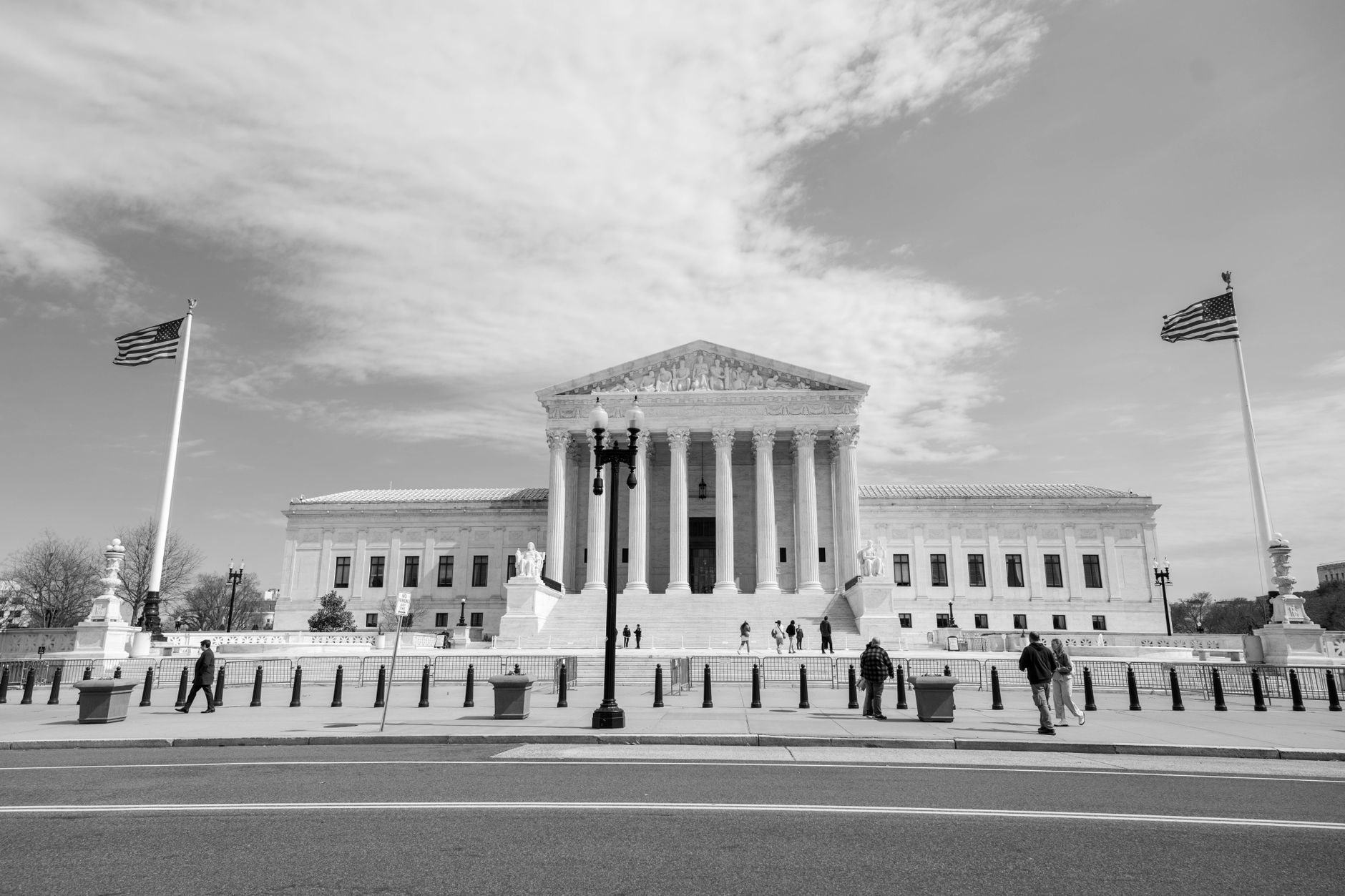
Palestinian activist Mahmoud Khalil has officially petitioned the United States Supreme Court, seeking to block his potential deportation. This high-stakes legal challenge stems from his detention last year, during which the Trump administration initiated a targeted campaign aimed at detaining and removing noncitizens who participated in pro-Palestinian activism. The case, which has drawn significant attention from civil rights advocates, centres on the intersection of immigration policy and the fundamental right to engage in political protest within the United States.
Khalil, who was widely recognised as one of the most prominent international students detained during the administration's crackdown, argues that his detention and subsequent deportation proceedings were motivated by his vocal support for Palestinian rights. Legal representatives for the activist maintain that the government’s actions infringe upon protected speech rights, regardless of an individual's citizenship status. They argue that the administration utilized immigration enforcement mechanisms as a tool to silence dissent and disrupt advocacy movements on university campuses and in public spaces across the country.
The administrative efforts that led to Khalil's arrest were part of a broader, stated strategy by federal authorities to identify and deport foreign nationals seen as disruptive due to their political activities. Throughout the period of intense scrutiny, officials emphasized that they were exercising their authority to uphold immigration regulations. Supporters of the move argued that visa holders are subject to strict conditions and that participation in certain forms of protest or civil disobedience violates the terms of their stay in the US, thereby necessitating legal intervention and potential removal from the country.
As the case moves to the highest court in the land, legal experts are closely monitoring how the justices will balance executive discretion in immigration matters against the protections afforded to those living within the nation’s borders. The Supreme Court's involvement signals the gravity of the dispute, as it requires a determination on whether the government exceeded its constitutional and statutory mandates in its pursuit of foreign protesters. If the court decides to hear the merits of the appeal, it could establish a significant precedent for how international students and other noncitizens can express political views without facing immediate threats to their residency status.
The backdrop to this case is a period of heightened social and political tension that saw widespread demonstrations across American academic institutions. Many students were caught in the crossfire as universities and federal agencies sought to manage the volatile environment. Khalil's situation highlights the vulnerability of the international student community when faced with shifting administrative priorities and changing interpretations of what constitutes acceptable conduct for those not holding American citizenship.
Looking ahead, the outcome of this appeal will likely reverberate beyond Khalil’s individual circumstances. Immigration advocates express concern that if the government’s actions are upheld without oversight, it could lead to a chilling effect on international students who might otherwise engage in activism on various social and political issues. Meanwhile, the Department of Justice continues to maintain that its immigration enforcement actions remain firmly rooted in the necessity of maintaining order and ensuring that foreign visitors remain in compliance with the mandates of their respective visas.
For now, Khalil remains in the legal spotlight, with his legal team preparing to argue that his right to advocate for his cause should not be suppressed through immigration policy. The judicial process will determine whether the administration's campaign was a lawful exercise of its powers or an overreach that compromised the rights of individuals lawfully present in the country. As the Supreme Court considers whether to grant a full hearing on the petition, the case stands as a pivotal moment for both American immigration law and the protection of political speech for all individuals residing in the United States.








Comments